Information
Landmark: Ciné BurkinaCity: Ouagadougou
Country: Burkina Faso
Continent: Africa
Ciné Burkina, Ouagadougou, Burkina Faso, Africa
Ciné Burkina is a cinema located in Ouagadougou, Burkina Faso. It serves as a cultural hub for film screenings and events.
Visual Characteristics
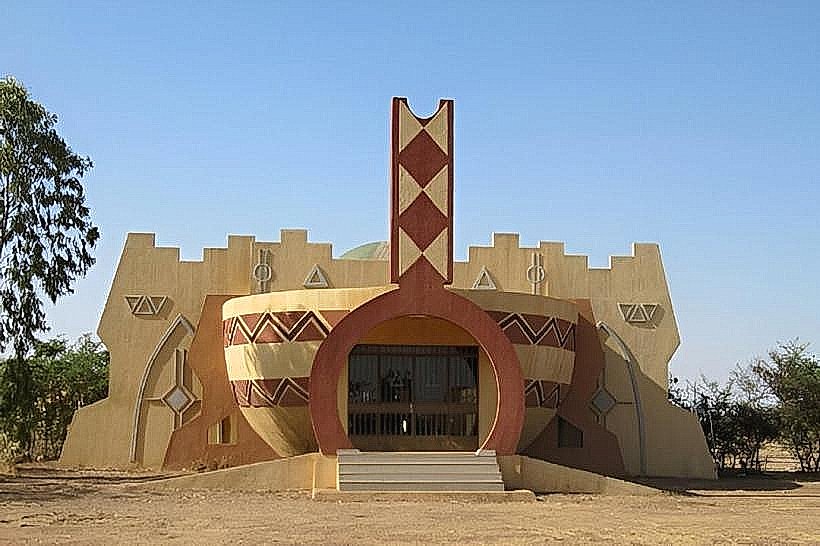
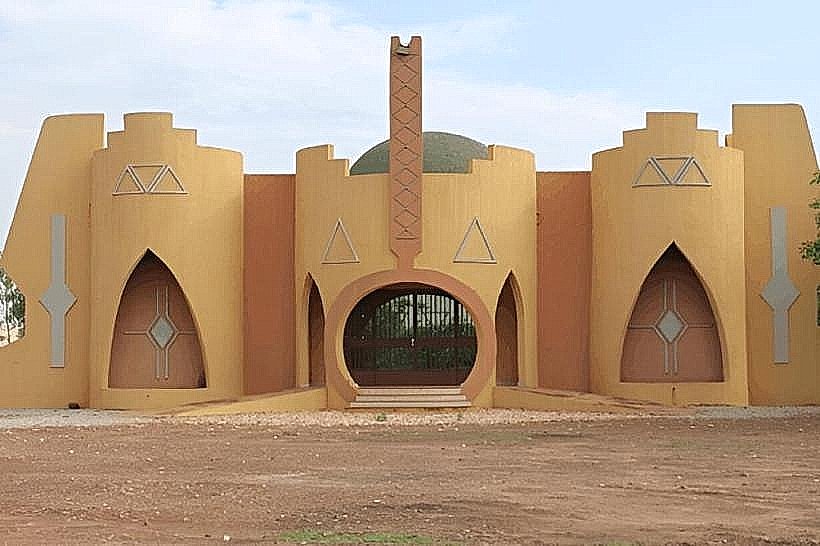
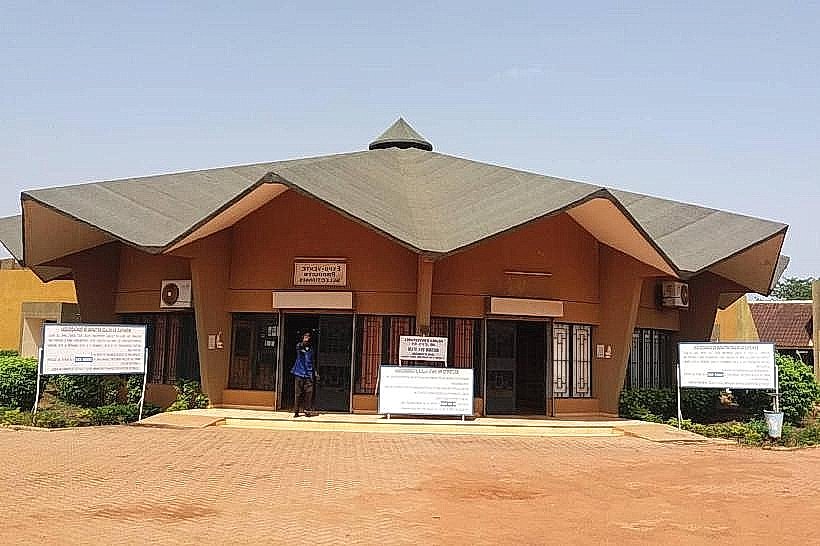
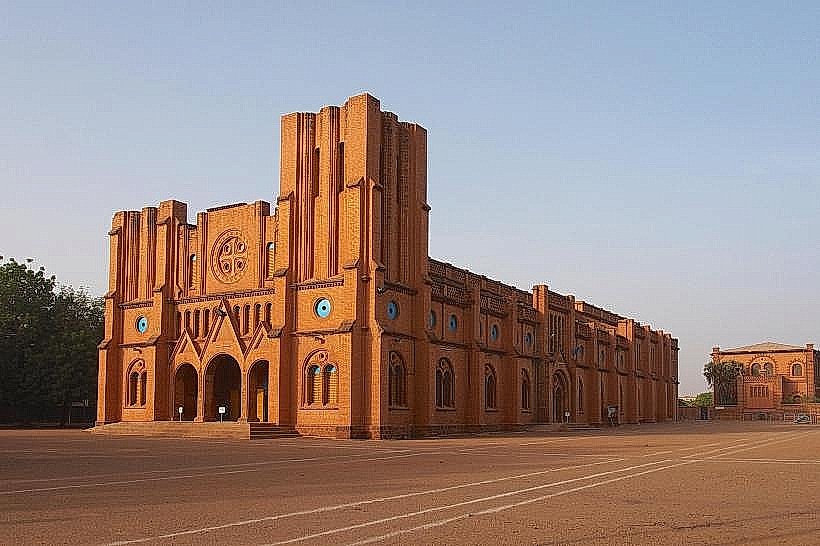
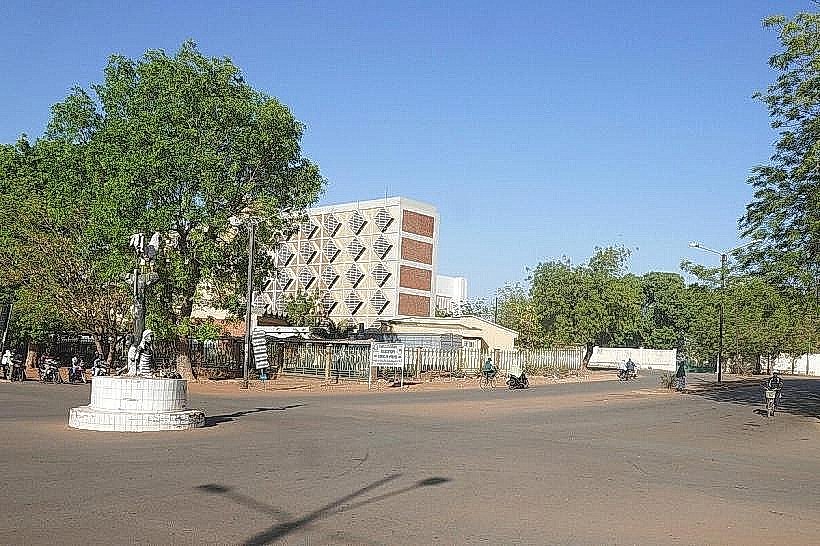
The building is a single-story structure constructed primarily from concrete. Its facade is painted a light beige, with darker brown accents around the entrance and window frames. The main entrance features a large, rectangular marquee above double doors. The overall architectural style is functional and utilitarian, typical of mid-20th-century public buildings.
Location & Access Logistics
Ciné Burkina is situated at 12 Avenue de l'Indépendance in the central district of Ouagadougou. It is approximately 1.5 kilometers south of the Place de la Nation, the city's central square. Access is via paved roads. Limited street parking is available in the immediate vicinity. Public transport, including local bus lines that service Avenue de l'Indépendance, provides access.
Historical & Ecological Origin
Ciné Burkina was constructed in the late 1960s, with its opening in 1972. It was designed to be a primary venue for showcasing films, both local and international, and to host cinematic festivals. Its purpose was to promote film culture within the newly independent nation.
Key Highlights & Activities
The primary activity at Ciné Burkina is film viewing. The venue screens a rotating selection of feature films, documentaries, and short films. It also hosts special film festivals and cultural events throughout the year. Specific screening times are posted daily at the entrance and on local event listings.
Infrastructure & Amenities
The cinema contains a single auditorium with seating for approximately 300 patrons. Restrooms are available within the lobby area. Limited shade is provided by the building's overhang at the entrance. Cell phone signal (4G) is generally available in the surrounding area. No food vendors are permanently located on-site, though small kiosks may operate during major events.
Best Time to Visit
Screenings typically occur in the late afternoon and evening. The best time for photography of the exterior is during daylight hours. For optimal viewing conditions, it is advisable to check the daily schedule for specific film times.
Facts & Legends
Ciné Burkina was a significant venue during the early years of the Panafrican Film and Television Festival of Ouagadougou (FESPACO), one of Africa's largest film festivals. It is rumored that some of the earliest award ceremonies for FESPACO were held within its auditorium.
Nearby Landmarks
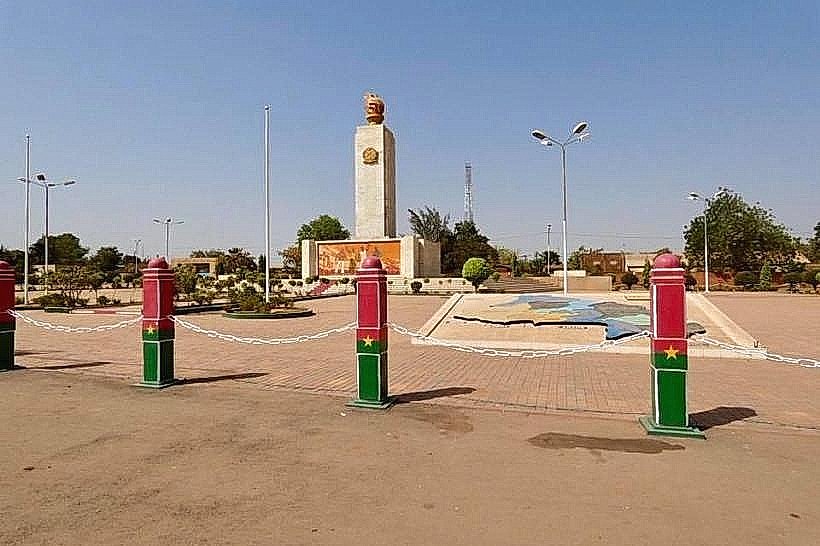
- 0.8km North: Place de la Nation
- 1.2km Northwest: National Museum of Burkina Faso
- 2.5km East: Grand Marché
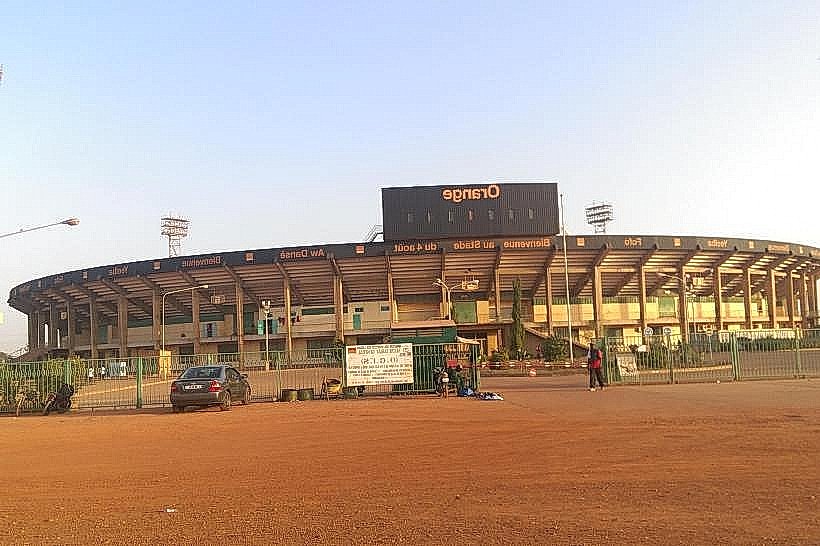
- 3.1km Southwest: Stade du 4 Août