Information
Landmark: Grande Mosquée de OuagadougouCity: Ouagadougou
Country: Burkina Faso
Continent: Africa
Grande Mosquée de Ouagadougou, Ouagadougou, Burkina Faso, Africa
The Grande Mosquée de Ouagadougou is a significant religious structure located in Ouagadougou, Burkina Faso.
This mosque serves as a central place of worship and a notable architectural feature within the city.
Visual Characteristics
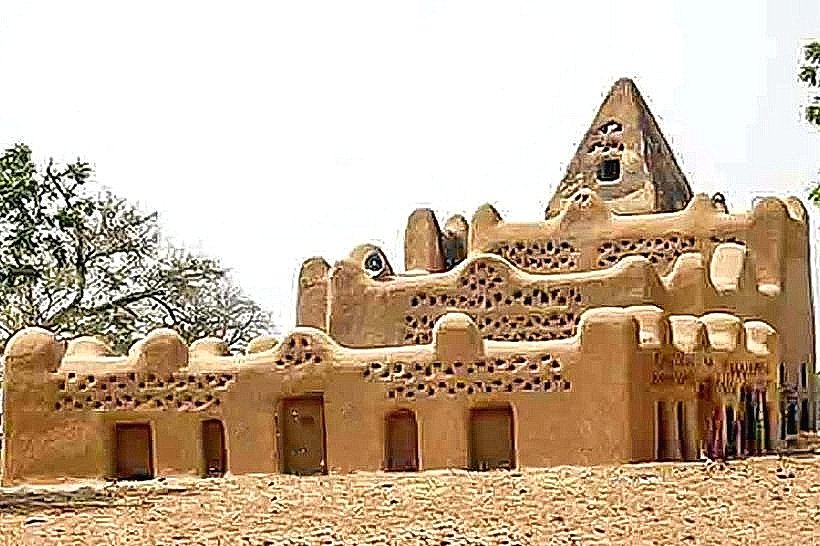
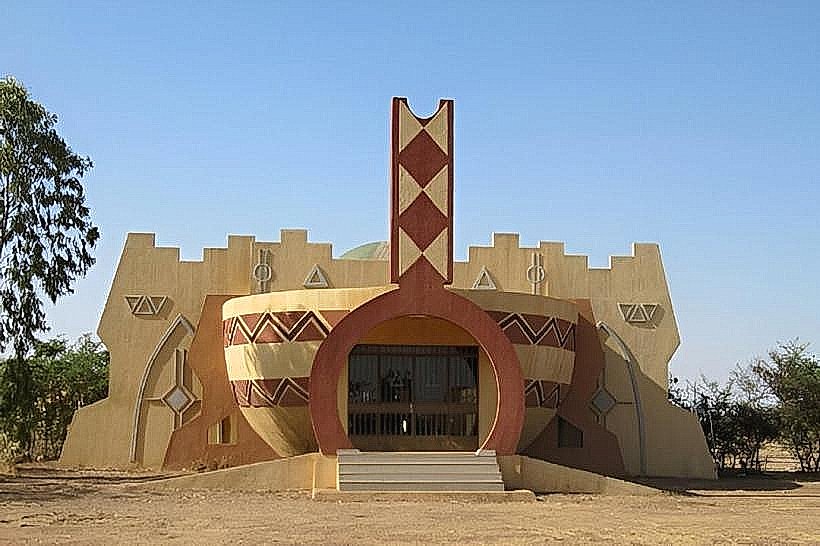
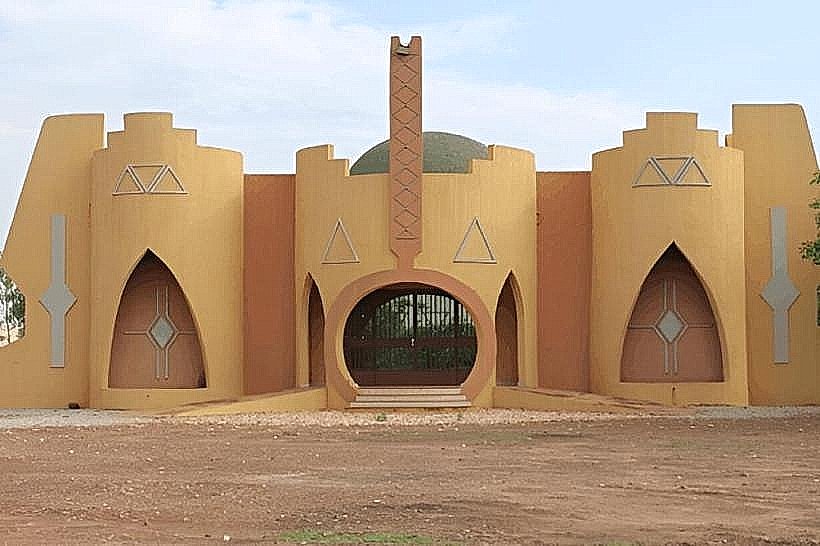
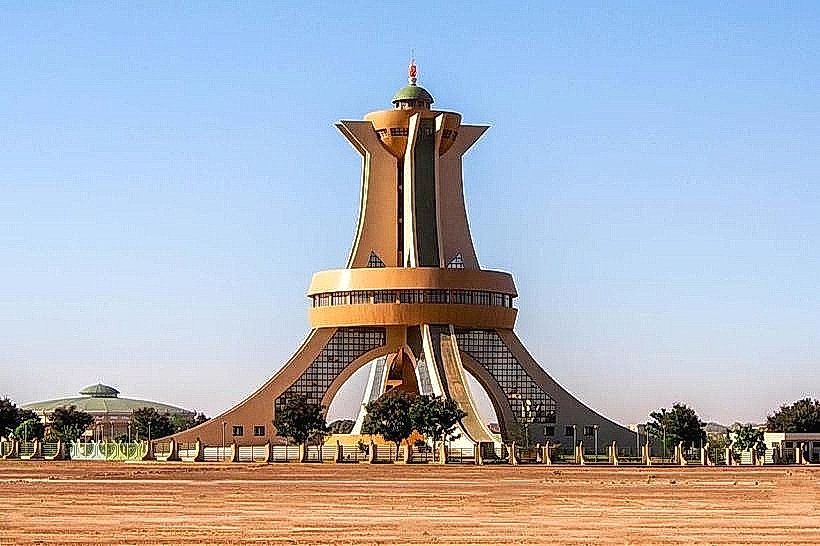
The mosque features a large, central dome constructed from concrete. Its exterior walls are finished in a light beige stucco. The minaret, a prominent vertical element, rises to a height of approximately 30 meters. The architectural style incorporates elements of Sudano-Sahelian design, characterized by its rectilinear forms and flat roofs, with decorative crenellations along the upper edges of the main structure.
Location & Access Logistics
The Grande Mosquée is situated in the central district of Ouagadougou. It is located approximately 1.5 kilometers south of Place de la Nation, the city's main square. Access is via Avenue de l'Indépendance, turning south onto Rue 12.18. Parking is available on adjacent streets, though it can be limited during peak prayer times. Public transport, including local taxis and mototaxis, frequently passes along Avenue de l'Indépendance.
Historical & Ecological Origin
Construction of the Grande Mosquée began in the 1960s and was completed in the early 1970s. The project was initiated by the Muslim community of Ouagadougou with support from international Islamic organizations. Its original purpose was to provide a larger and more central place of worship for the growing Muslim population of the capital city.
Key Highlights & Activities
Visitors can observe the mosque's architecture from the exterior. Entry into the prayer halls is permitted outside of prayer times for non-worshippers, provided modest dress is observed. Photography of the interior is generally not permitted. The call to prayer can be heard throughout the surrounding area five times daily.
Infrastructure & Amenities
Restrooms are available within the mosque complex for worshippers. There are no dedicated visitor amenities such as cafes or shops directly within the mosque grounds. Cell phone signal (4G/5G) is generally strong in this central urban area. Food vendors and small restaurants are located on nearby streets, particularly along Avenue de l'Indépendance.
Best Time to Visit
For photography of the exterior, the late afternoon (approximately 4:00 PM to 6:00 PM) offers favorable lighting conditions as the sun begins to set. For observing the mosque's function, visiting outside of the five daily prayer times is recommended. The dry season, from November to March, generally provides the most pleasant weather for exploring the city.
Facts & Legends
A specific architectural detail to note is the use of local laterite soil in some of the original construction materials, contributing to the building's earthy tones. It is the largest mosque in Ouagadougou and a focal point for religious gatherings during Islamic holidays.
Nearby Landmarks
- Place de la Nation (0.8km North)
- Musée National du Burkina Faso (1.2km West)
- Grand Marché (0.6km North-East)
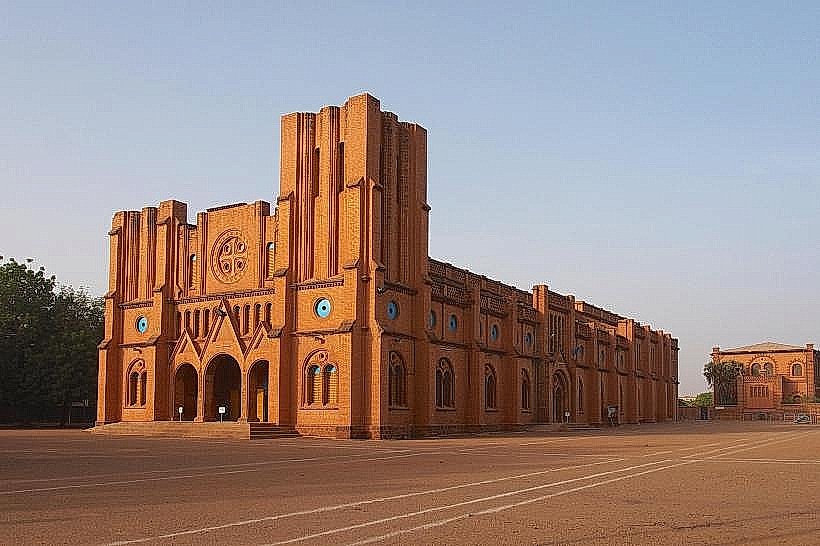
- Cathédrale de l'Immaculée Conception (1.0km North-West)