Information
City: ZiniareCountry: Burkina Faso
Continent: Africa
Ziniare, Burkina Faso, Africa
Ziniaré is a major town in central Burkina Faso and the capital of the Oubritenga Province and the Plateau-Central Region. Located 35 kilometers northeast of Ouagadougou, it is best known as the birthplace and former stronghold of long-serving ex-president Blaise Compaoré.
Historical Timeline
Historically part of the Mossi Oubritenga kingdom, Ziniaré transitioned from a rural administrative post into a modern political center during the 27-year presidency of Blaise Compaoré (1987–2014). The primary event shaping its current urban form was the massive infrastructure investment during that era, which transformed it from a small village into a regional capital with paved roads and international-standard facilities. In 2011 and 2014, it served as a retreat for the presidency during periods of civil unrest in the capital.
Demographics & Population
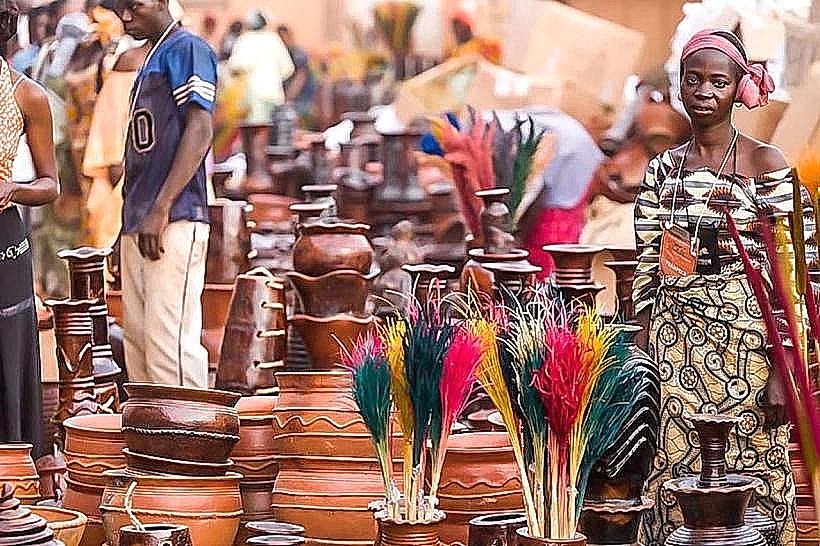
The total population is approximately 33,300 for the town itself, with the wider department reaching over 88,000. The dominant ethnic group is the Mossi. Primary languages include Mooré and French. The population is heavily youthful, with a significant segment engaged in agriculture and artisanal leatherwork.
Urban Layout & Key Districts
The town is divided into five sectors organized along the RN3 national highway.
Sector 1 & 2: The administrative and commercial core.
The Presidential Axis: A modern corridor featuring villas and larger infrastructure.
Peripheral Villages: Rural areas like Laongo and Guiloungou that are functionally integrated into the urban commune.
Top City Landmarks
Sculptures de Laongo: An open-air granite museum where international artists have carved works directly into the landscape.
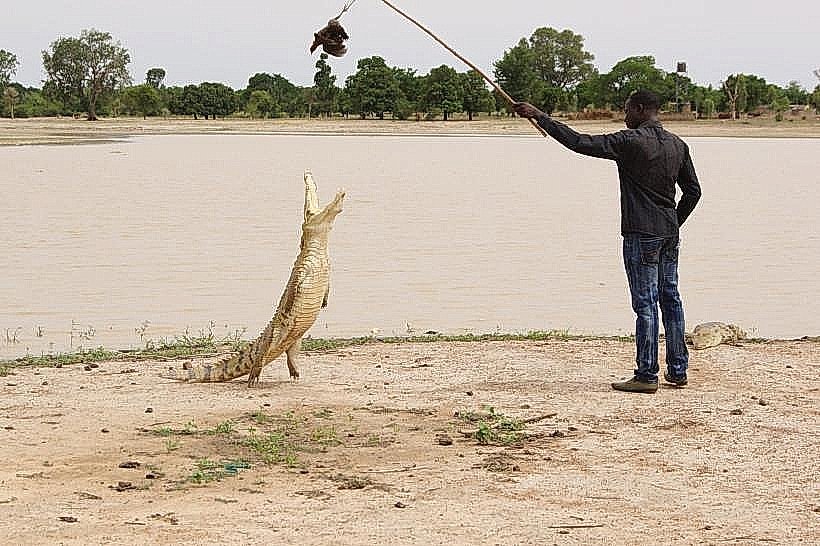
Parc Animalier de Ziniaré (Ziniaré Zoo): A 112-hectare wildlife sanctuary, historically used as a private presidential collection, now housing lions, elephants, and hippos.
Opera Village Africa (Village Opéra): A unique architectural and cultural center designed by Francis Kéré.
Naaba Koom Palace: A significant site of traditional Mossi authority.
Grande Mosquée de Ziniaré: A modern architectural landmark in the town center.
Transportation Network
Movement is primarily conducted via private motorbikes (motos). Ziniaré is directly connected to Ouagadougou via the RN3 highway, making it a 45-minute drive from the capital. There is no rail or commercial air service. Public transport consists of green taxis and regional bush taxis. Traffic is generally light compared to the capital but features heavy transit trucks moving toward the Niger border.
Safety & "Red Zones"
Current Status: Exercise High Caution. While Ziniaré is generally safer than the northern regions due to its proximity to the heavily guarded capital, Burkina Faso is under a general "Level 4: Do Not Travel" advisory. The risk of terrorism and kidnapping exists throughout the Plateau-Central region. Travel after dark on the RN3 is strictly discouraged.
Digital & Financial Infrastructure
Average internet speed is 15–25 Mbps via mobile networks (Orange, Moov). As of 2026, the government has doubled the digital budget to expand fiber coverage in the region. The economy is cash-based (CFA Franc). ATMs are available at bank branches in the center, though card acceptance at retail points is non-existent.
Climate & Air Quality
Temperatures range from 18°C in January to 40°C in April. The air quality is often Unhealthy during the dry season (November to May) due to high concentrations of PM2.5 and PM10 from the Harmattan winds carrying Sahara dust.
Culture & Social Norms
Greetings are extensive and mandatory; use the right hand for all exchanges. Dress code is modest. The town retains a unique blend of modern political history and deep traditional Mossi customs.
Accommodation Zones
Stay in Sector 2 or near the Place de la Nation for the most consistent access to guesthouses and security.
Local Cost Index
1 Espresso: USD 1.50 (900 CFA)
1 Standard Lunch: USD 4.50 (2,700 CFA)
1 Moto-Taxi Trip: USD 0.60 (350 CFA)
Nearby Day Trips
Ouagadougou (35 km): The capital city.
Manéga Museum (50 km): A major museum of sacred Mossi masks.
Loumbila (15 km): Home to the Musée de l'Eau and water park facilities.
Facts & Legends
Ziniaré is often called the "Second Capital" due to the influence of the Compaoré family. A local legend at Laongo suggests that the granite rocks themselves possess a spirit that guides the hands of the sculptors who visit. A verified historical oddity is that the town once hosted a private zoo with white tigers and other exotic species rarely seen in West Africa.