Information
City: Bobo DioulassoCountry: Burkina Faso
Continent: Africa
Bobo Dioulasso, Burkina Faso, Africa
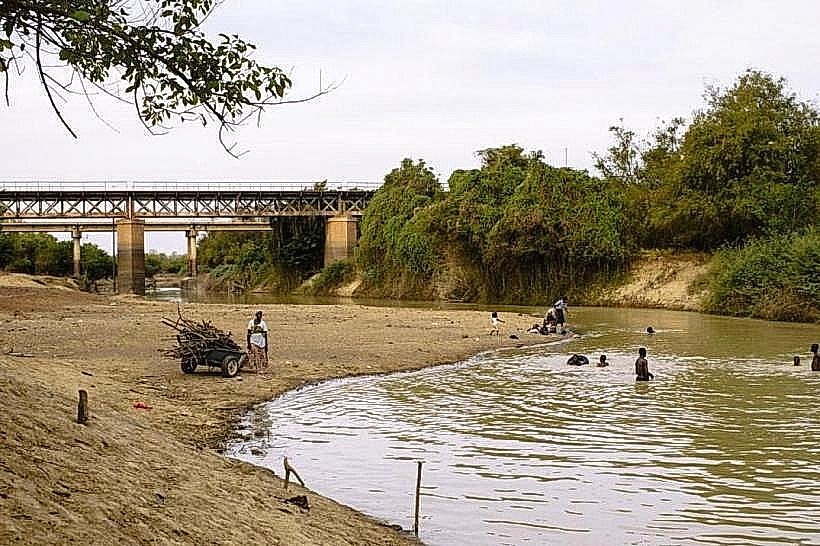
Bobo-Dioulasso is the second-largest city in Burkina Faso and the historic economic capital of the country. Located in the fertile Hauts-Bassins region, it serves as a critical crossroads for trade between Mali, Ivory Coast, and the Burkinabé interior. It is often referred to as the "Cultural Capital" due to its vibrant music, art, and diverse ethnic composition.
Historical Timeline
Founded in the 15th century as Sya, the city was a strategic point on the trans-Saharan trade routes. It was later colonized by the French in 1897. The arrival of the Mediterranean-Niger railway in 1934 transformed it into a primary industrial hub. Unlike the administrative-focused Ouagadougou, Bobo-Dioulasso has maintained its identity as a commercial and agricultural center, deeply rooted in Mande and Bobo traditions.
Demographics & Population
The population is approximately 1.1 million in 2026. The dominant ethnic groups are the Bobo and Dioula, though the city is a melting pot of Mossi, Fulani, and Senoufo peoples. Dioula is the primary lingua franca used for trade. The median age is approximately 17.5 years, reflecting a very young demographic.
Urban Layout & Key Districts
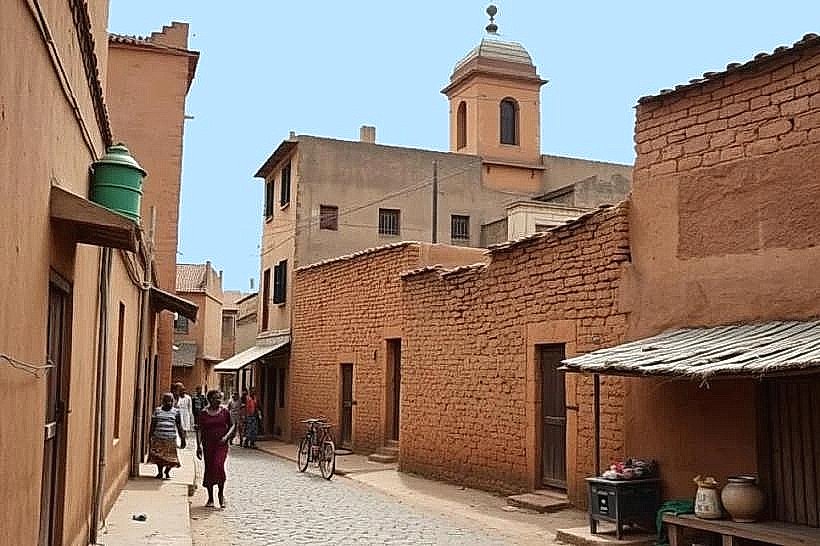
Sya (Vieux Quartier): The historic heart of the city, characterized by traditional mud-brick architecture and narrow alleys.
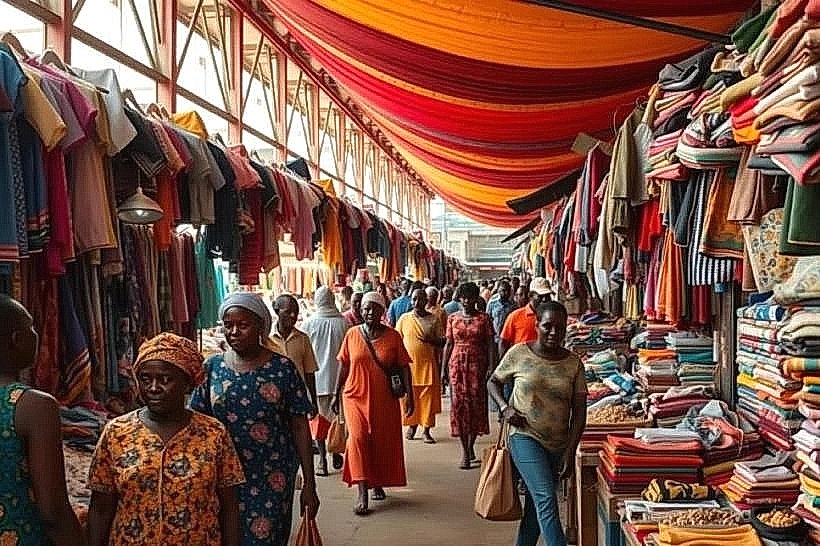
Centre-Ville: The colonial-era core featuring wide boulevards, administrative buildings, and the Grand Marché.
Accart-ville: A residential and commercial district known for its lively atmosphere.
Zone Industrielle: Located on the outskirts, housing the city’s textile and food processing plants.
Top City Landmarks
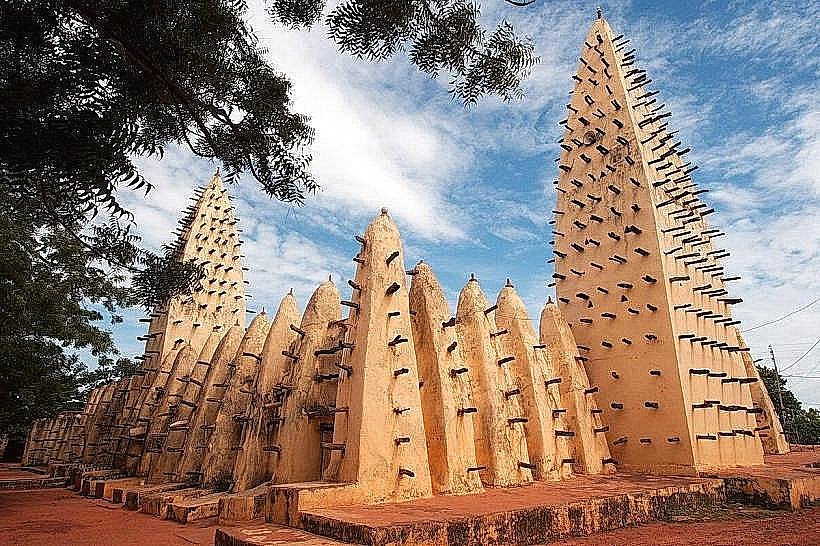
Grand Mosque (Mosquée de Dioulassoba): A 19th-century masterpiece of Sudano-Sahelian architecture built with mud and wooden struts.
Maison de la Culture: A major venue for the biennial SNC (Semaine Nationale de la Culture).
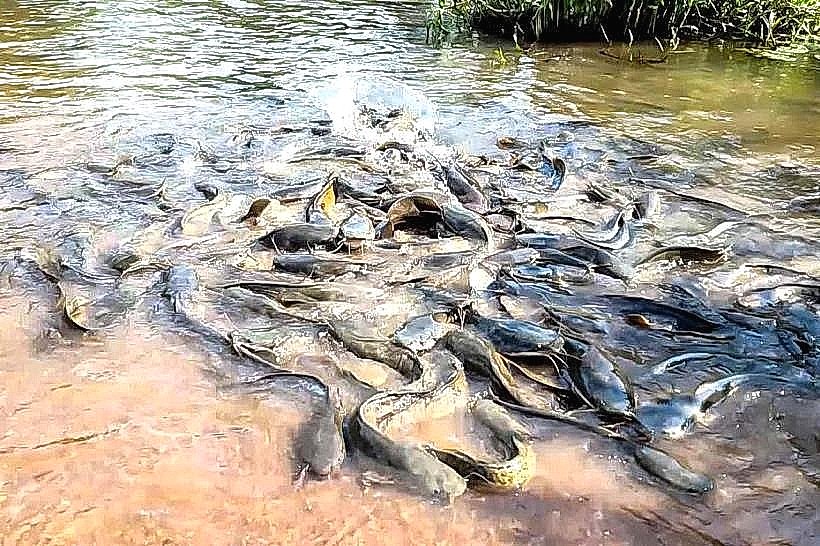
Vieux Quartier (Sya): The original village site containing the sacred fish pond and ancestral dwellings.
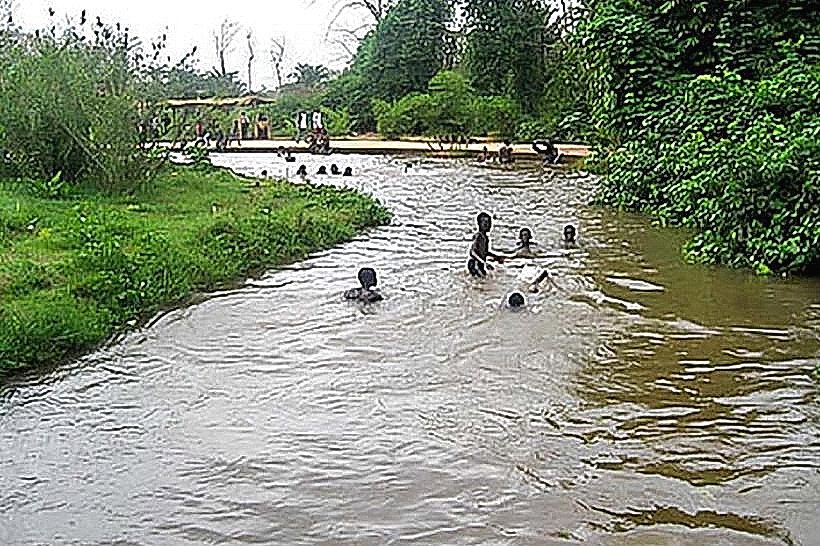
La Guinguette: A natural spring and lush forest area located about 15 km outside the city.
Cathédrale Notre Dame de Lourdes: A prominent example of modern West African religious architecture.
Transportation Network
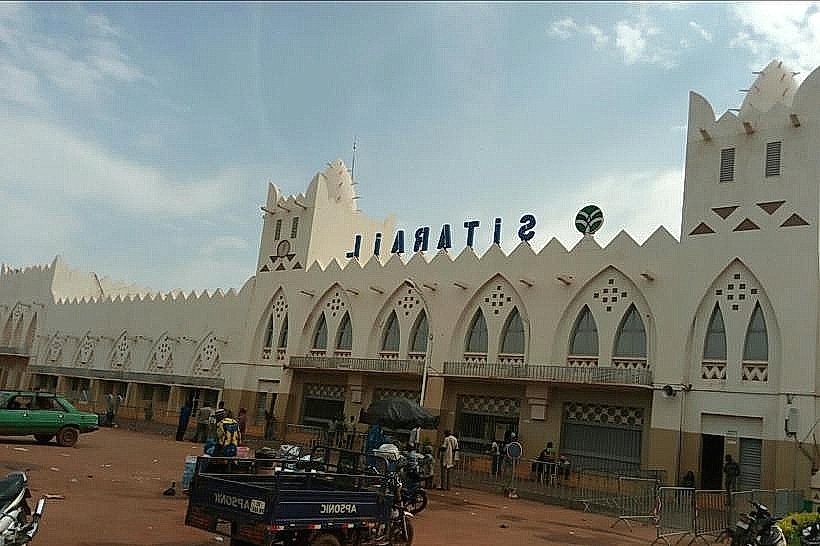
Bobo-Dioulasso is a major rail stop on the Abidjan-Niger Railway. SOTRACO provides limited municipal bus services. The city is famous for its high volume of bicycles and motorbikes, which are the primary modes of transport. The Bobo-Dioulasso Airport (BOY) handles domestic and regional flights. Route Nationale 1 connects the city to the capital, Ouagadougou. Traffic is dominated by two-wheeled vehicles.
Safety & Security
The general safety level is currently moderate to low due to regional instability. While Bobo-Dioulasso has historically been calmer than the northern and eastern regions of Burkina Faso, the risk of terrorist activity and kidnapping remains a concern in the broader Hauts-Bassins area. Checkpoints are common on roads leading out of the city. Travelers must monitor official government advisories and avoid travel after dark.
Digital & Financial Infrastructure
Internet access is available via Moov Africa and Orange Burkina, with 4G coverage in the city center. Speeds vary significantly and can be unreliable. Cash is the primary medium of exchange. Mobile money (Orange Money/Moov Money) is the most common digital payment method. ATMs are available at major banks (BOA, Ecobank, Coris Bank) in the Centre-Ville.
Climate & Air Quality
The climate is tropical savanna. Summer (monsoon) months see heavy rainfall from June to September. Temperatures peak in April/May at 35°C–40°C. Winters (Harmattan season) are dusty but cooler, with temperatures dropping to 15°C at night. Air quality is often impacted by dust and vehicle emissions.
Culture & Social Norms
The city is the birthplace of many world-renowned musicians and the Balafon (wooden xylophone) culture. Respect for elders and traditional chiefs in the Sya district is mandatory. Tipping is not strictly expected but appreciated (5–10%). Dress is generally modest; while the city is culturally liberal, conservative attire is recommended for visiting the Grand Mosque or traditional areas.
Accommodation Zones
Stay in Centre-Ville for proximity to restaurants, banks, and the railway station.
Stay in the Residential Quartiers (like Petit Paris) for quieter, mid-range guesthouses.
Local Cost Index
Espresso/Coffee: 1,000 CFA
Standard Lunch (Maquis): 2,500–5,000 CFA
Taxi (Shared/Brousse): 300–500 CFA (Short distances)
Nearby Day Trips
Koro: A traditional village built atop a granite cliff, 15 km away.
Mare aux Hippopotames: A UNESCO biosphere reserve approximately 60 km north.
Banfora: 85 km southwest, featuring the Karfiguéla Waterfalls and Fabedougou Domes.
Facts & Legends
The Grand Mosque’s wooden struts are not merely decorative; they serve as permanent scaffolding for the annual replastering of the mud walls. A verified historical oddity is that the city was the administrative capital of the "Upper Coast" during a portion of the colonial era. Local legend centers on the sacred catfish of Sya, which are believed to be the guardians of the city; feeding them is a ritual meant to bring prosperity.