Information
Landmark: Mouhoun River GorgesCity: Bobo Dioulasso
Country: Burkina Faso
Continent: Africa
Mouhoun River Gorges, Bobo Dioulasso, Burkina Faso, Africa
The Mouhoun River Gorges, located in western Burkina Faso along the course of the Mouhoun River (also known as the Black Volta), are dramatic geological formations that carve through the surrounding savannah and woodland landscapes. These gorges, created over millennia by river erosion, offer a striking combination of steep rocky cliffs, lush riparian vegetation, and scenic vistas, making them both a natural landmark and an ecological hotspot.
Geography and Landscape
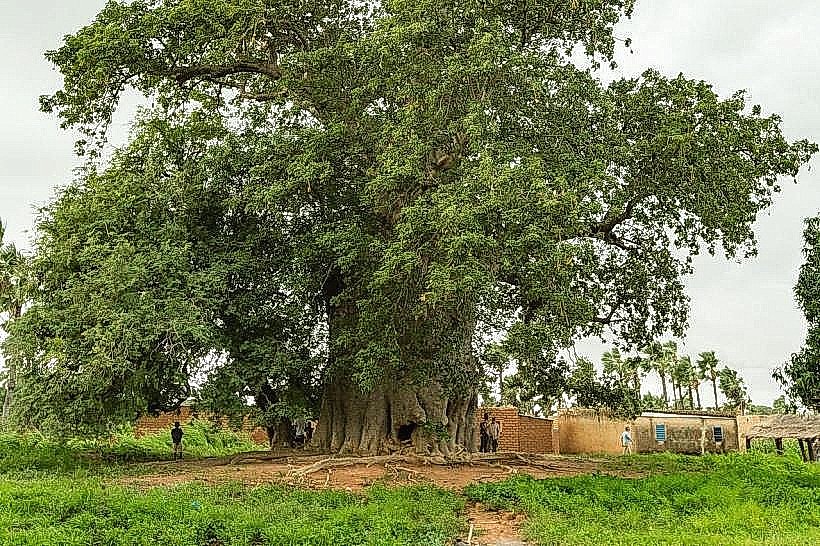
The gorges feature steep rock faces and narrow river valleys, with the Mouhoun River winding through them. In places, cliffs rise sharply from the riverbank, exposing layered rock strata that reveal the geological history of the region. During the wet season, the river swells, creating rapids and small waterfalls that enhance the dramatic scenery, while in the dry season, lower water levels expose sandy banks and rocky outcrops. Surrounding the gorges, the landscape transitions into savannah dotted with acacia and baobab trees, with patches of cultivated land and scattered villages along the river.
Ecology and Biodiversity
The riparian zones along the gorges support a rich diversity of flora and fauna. Dense vegetation along the river provides habitat for birds such as kingfishers, herons, and egrets, while reptiles, amphibians, and small mammals thrive in shaded areas and rocky crevices. Larger mammals, including kob antelopes, warthogs, and occasionally elephants or buffalo, may be seen along the riverbanks, particularly during the dry season when water is scarce elsewhere. The gorges create microhabitats that sustain both terrestrial and aquatic species, enhancing biodiversity in an otherwise semi-arid region.
Cultural and Local Significance
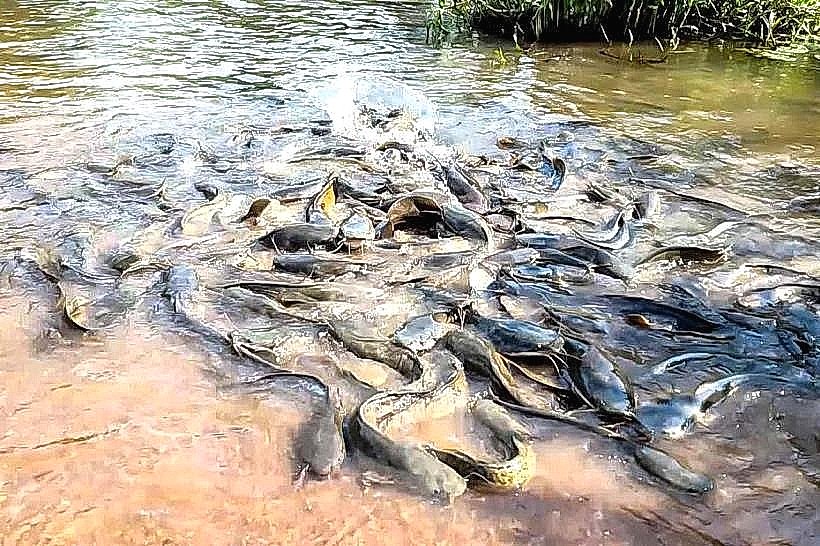
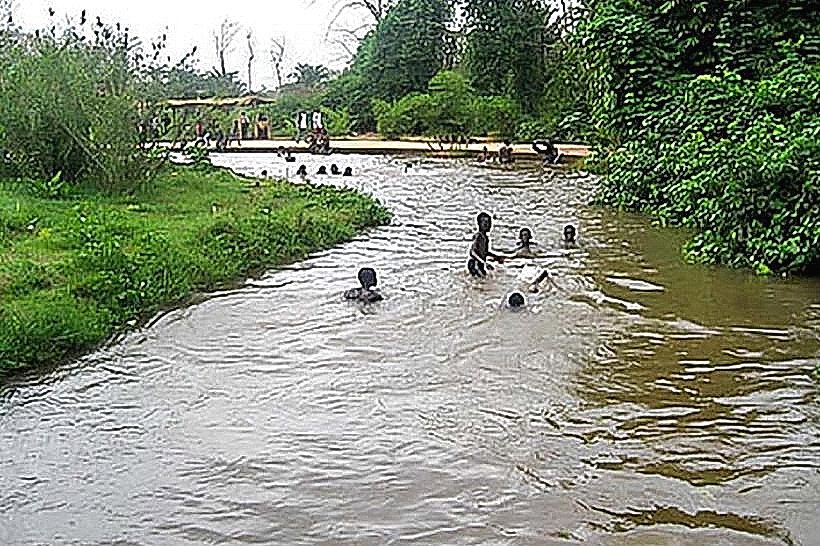
Local communities along the Mouhoun River have historically relied on the gorges for water, fishing, and agriculture. Some sites within the gorges are culturally significant, serving as sacred or ritual spaces linked to ancestral worship or local legends. Traditional knowledge of the river’s flow, seasonal changes, and fishing practices is integral to sustaining livelihoods and preserving ecological balance. The gorges also act as natural landmarks and navigation points for herders and villagers moving through the landscape.
Visitor Experience
Visiting the Mouhoun River Gorges provides opportunities for hiking, nature observation, and photography. Trails along the cliffs and riverbanks allow for close observation of the rock formations, wildlife, and vegetation. Kayaking or small boat trips are sometimes possible in deeper sections of the river, offering a unique perspective of the steep gorge walls and the surrounding landscape. Sunrise and sunset provide particularly striking light, illuminating the cliffs and casting reflections on the water.
Atmosphere and Sensory Details
The gorges convey a sense of rugged beauty and tranquility. The sound of flowing water, calls of birds, and rustling of leaves contrast with the quiet stillness of the cliffs. The earthy scent of wet soil and vegetation, combined with the tactile experience of climbing over rocks or walking along sandy banks, creates a multi-sensory engagement with the landscape. The interplay of light and shadow on the rock faces adds a dramatic visual dimension, especially during golden hours.
Nearest Towns
The Mouhoun River Gorges are accessible from several towns along the river, including:
Boromo – approximately 50–60 kilometers east of the gorges, serving as a regional hub with lodging, markets, and transport links.
Bobo-Dioulasso – about 150 kilometers southwest, offering extensive services and access for longer excursions into western Burkina Faso.
Dédougou – roughly 120 kilometers north, providing additional local access points and community engagement for visitors.
The Mouhoun River Gorges are a striking natural feature of western Burkina Faso, combining geological grandeur, ecological richness, and cultural significance, offering an immersive experience for those exploring the country’s riverine landscapes.