Information
City: KoudougouCountry: Burkina Faso
Continent: Africa
Koudougou, Burkina Faso, Africa
Koudougou is the third-largest city in Burkina Faso and the capital of the Boulkiemdé Province. Located 100 kilometers west of Ouagadougou, it is a significant center for trade, education, and the textile industry, historically known for its cotton production.
Historical Timeline
Koudougou was founded by the Mossi people and served as a key settlement within the Mossi Empire. It transitioned into a major administrative and economic hub during the French colonial era following the 1930s expansion of the Abidjan–Niger Railway. The primary event shaping its current urban identity was the 1998 assassination of journalist Norbert Zongo (a Koudougou native), which turned the city into a focal point for social and political activism in Burkina Faso.
Demographics & Population
The total population is approximately 183,409 (2025/2026 estimate). The dominant ethnic group is the Mossi. The primary languages are Mooré (the Mossi language), Dioula, and French. The median age is 18 years, reflecting a highly youthful population.
Urban Layout & Key Districts
The city is organized around the railway line and the central market.
Centre Ville: The commercial and administrative core.
Quartier Kouritenga: A quieter, more residential area.
Quartier Doulougou: Known as the city’s entertainment hub with a high density of bars and music venues.
Palogo: Historically significant as one of the oldest settled neighborhoods.
Top City Landmarks
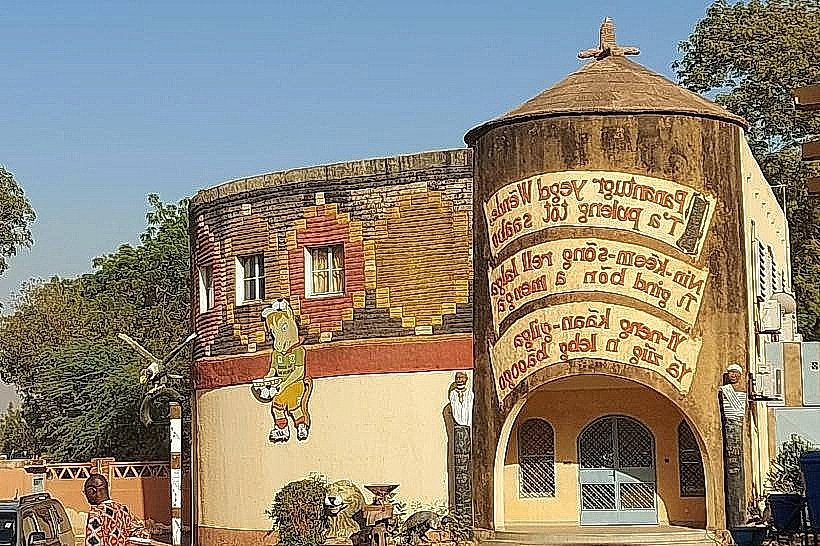
Maasmê Issouka: The Palace of the Naaba (King) of Issouka, which houses a museum dedicated to Mossi history.
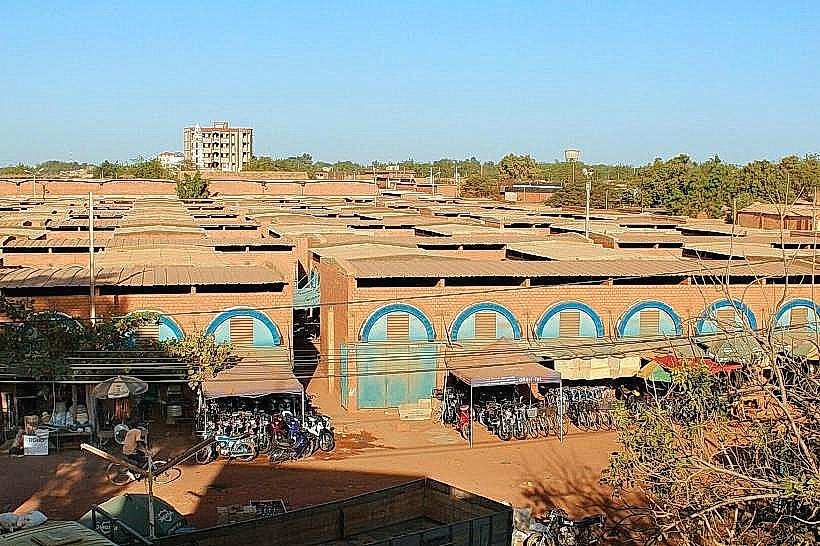
Koudougou Central Market: One of the largest and most vibrant regional trading centers.
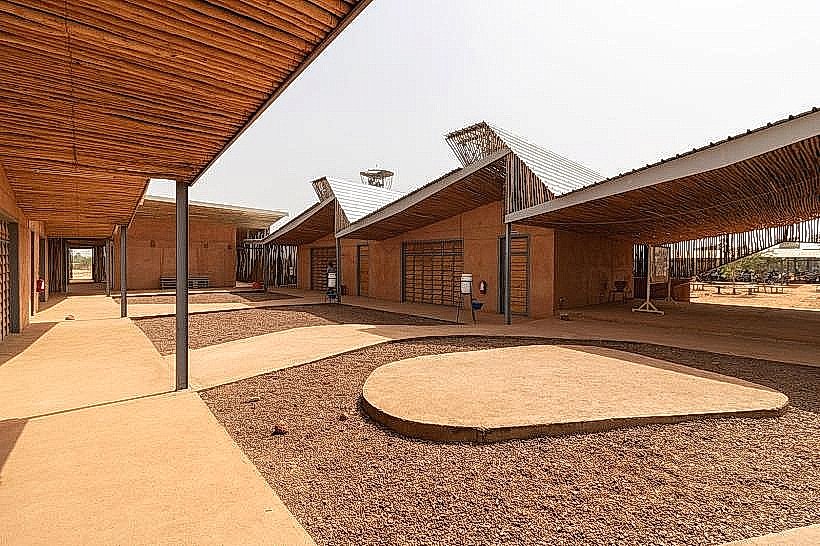
University of Koudougou: A major educational landmark and center for intellectual life.
The "Theater of the Desert": Associated with the Nuits Atypiques de Koudougou (NAK) festival.
Transportation Network
Movement is dominated by motorbikes and bicycles. Koudougou is a major stop on the Sitarail line connecting Ouagadougou to Abidjan. It is linked to the capital by a well-paved highway (N1). There is no metro or tram system. Public transit consists of informal green taxis and "taxi-brousse" for intercity travel. Traffic density is moderate but congested near the central market and railway crossings.
Safety & "Red Zones"
Current Status: Do Not Travel. As of 2026, Burkina Faso is under a Level 4 travel advisory. While Koudougou has been more stable than northern regions, the risk of terrorism, kidnapping, and civil unrest remains high throughout the country. Movement outside the city limits and intercity travel is considered extremely high-risk due to potential ambushes and armed banditry.
Digital & Financial Infrastructure
Average internet speed is 10–25 Mbps via mobile networks (Orange, Moov). Card acceptance is limited to a few upscale hotels; the economy is almost entirely cash-based (CFA Franc). ATMs are available at bank branches (e.g., BOA, Ecobank) in the town center but may suffer from frequent downtime.
Climate & Air Quality
Temperatures range from 19°C in January to 39°C in April. The rainy season occurs from May to October, with August being the wettest month. Air quality is fair during the rains but poor during the dry season (November to April) due to the Harmattan wind, which brings heavy Sahara dust and high PM2.5 concentrations.
Culture & Social Norms
Tipping is not standard but appreciated. Greetings are a vital social requirement; skipping them is considered offensive. Dress code is modest. The city is famous for the Nuits Atypiques de Koudougou (NAK), a major international arts and music festival that celebrates Burkinabé culture.
Accommodation Zones
Stay in the Centre Ville or near the Palais du Naaba d'Issouka for the best access to security, reliable water, and electricity.
Local Cost Index
1 Espresso: USD 1.50 (900 CFA)
1 Standard Lunch: USD 4.00 (2,400 CFA)
1 Moto-Taxi Trip: USD 0.50 (300 CFA)
Nearby Day Trips
Ouagadougou (100 km)
Reo (15 km) - Known for its local pottery and traditional architecture.
Boromo (80 km) - Gateway to Deux Balés National Park.
Facts & Legends
Koudougou is known as "The City of Resistance" due to its history of political activism. A local legend regarding its founding tells of the three brothers who wandered the difficult terrain infested with spirits and wild beasts; they eventually performed a ritual sacrifice at Palogo to make the land habitable for the Mossi people.