Information
Landmark: University of KoudougouCity: Koudougou
Country: Burkina Faso
Continent: Africa
University of Koudougou, Koudougou, Burkina Faso, Africa
The University of Koudougou is one of Burkina Faso’s key public universities and the main center of higher education in the central-western part of the country. Located in the city of Koudougou, it plays a vital role in training teachers, researchers, and professionals who serve both urban and rural communities. The university is known for its strong focus on education, languages, social sciences, and cultural studies, shaping much of the region’s intellectual life.
Historical Background
The institution began as a teacher-training center before gradually expanding into a full university. Its development followed the national need for qualified educators and administrators after independence. Over time, additional faculties and research units were added, transforming it from a specialized training school into a multidisciplinary academic institution serving students from across Burkina Faso.
Campus Setting and Physical Environment
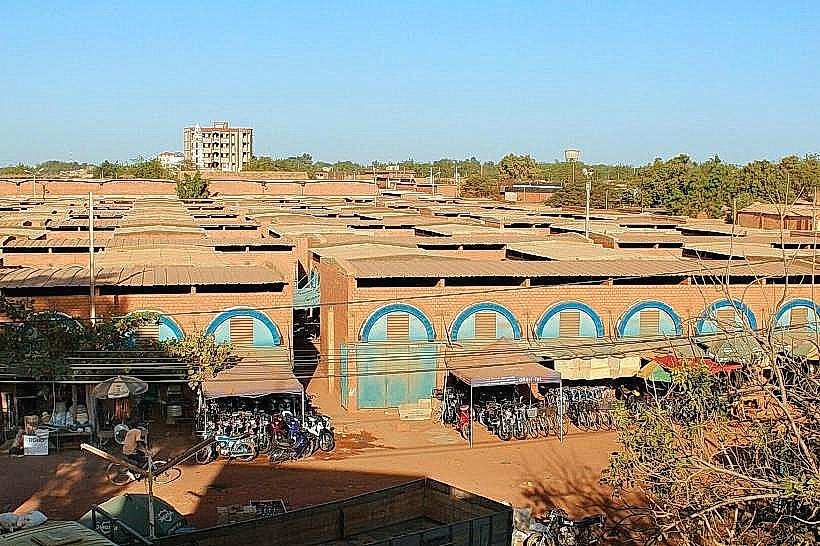
The campus is spread across a broad, open area on the outskirts of Koudougou. Low-rise academic buildings, lecture halls, libraries, and administrative blocks are arranged along wide sandy walkways shaded by trees. During the dry season, red dust settles on the paths and walls, while the rainy season brings out fresh green vegetation across the grounds. The campus atmosphere is lively but grounded, blending academic activity with the everyday rhythm of the city.
Academic Structure and Fields of Study
The University of Koudougou is especially recognized for its strong programs in education, linguistics, literature, history, geography, and sociology. It also offers studies in economics, law, environmental science, and selected natural sciences. Teacher training remains one of its core missions, and many graduates go on to shape primary and secondary education throughout the country.
Research and Intellectual Life
Research at the university often focuses on national priorities such as language preservation, rural development, cultural heritage, education systems, and social change. Scholars work closely with communities to document oral traditions, local governance systems, and environmental knowledge. This close connection between research and everyday life gives the university a practical, community-oriented academic character.
Student Life and Daily Rhythm
Student life at the University of Koudougou is intense and highly social. Lecture days begin early, with students arriving by bicycle, motorcycle, and shared taxis from across the city. Courtyards fill with discussion groups revising notes under trees, while informal food stalls cluster near main pathways, selling rice dishes, bread, fried snacks, and tea. Evenings are often marked by study sessions, debates, and cultural gatherings.
Cultural and Artistic Expression
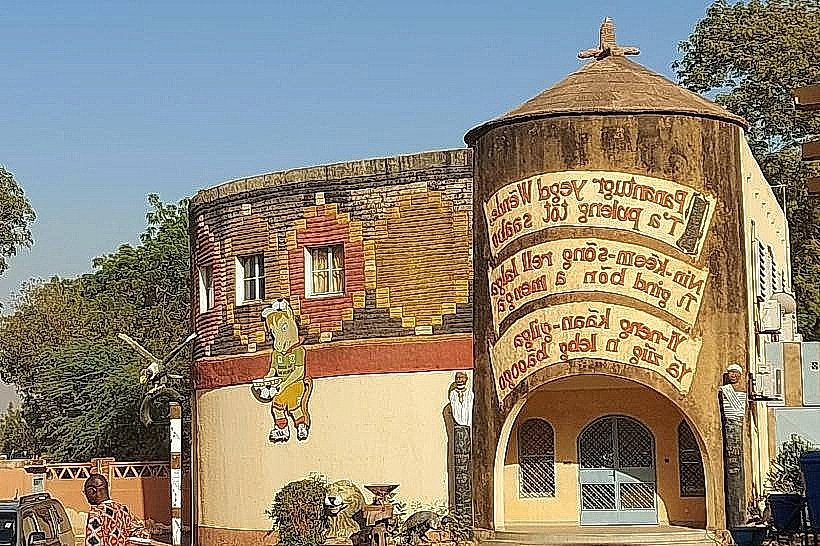
The university is an important cultural engine for Koudougou. Student associations organize theater performances, poetry readings, traditional dance events, and music concerts. These activities often blend modern student culture with traditional performance styles, reflecting the broader identity of the region. Public lectures and debates regularly draw both students and town residents.
Role in the City of Koudougou
The University of Koudougou strongly shapes the city’s identity as an educational and intellectual center. Housing, markets, transport, and small businesses in surrounding neighborhoods revolve around the student population. The steady flow of academic visitors, conferences, and cultural events keeps the city socially active throughout the year.
Social and National Importance
Nationally, the university plays a strategic role in strengthening Burkina Faso’s education system and cultural scholarship. Many educators, administrators, journalists, and researchers across the country trace their training back to Koudougou. The institution is closely tied to the transmission of knowledge in local languages as well as in French, reinforcing both national unity and cultural diversity.
Conclusion
The University of Koudougou stands as a pillar of learning, culture, and social development in central-western Burkina Faso. With its open campus, strong teacher-training mission, vibrant student life, and deep engagement with society, it represents more than a place of study. It functions as a living intellectual heart for Koudougou and a quiet but powerful force shaping the country’s future through education.