Information
City: PoCountry: Burkina Faso
Continent: Africa
Po, Burkina Faso, Africa
Pô is a significant town in southern Burkina Faso and the capital of the Nahouri Province. Located approximately 147 kilometers south of Ouagadougou, it serves as a critical border gateway to Ghana and a hub for the Kassena people, known for their distinct traditional architecture.
Historical Timeline
Pô was established by the Kassena (or Gourounsi) people, who settled the region in the 15th century. It historically served as a resistant outpost against the expansion of the neighboring Mossi kingdoms. During the colonial era and the subsequent revolutionary period of the 1980s, Pô gained strategic importance as the home of the National Commando Training Center (CNEC). It was from this base that Thomas Sankara and Blaise Compaoré launched significant political maneuvers that shaped modern Burkina Faso.
Demographics & Population
The total population is approximately 72,000 (2025/2026 estimate). The dominant ethnic group is the Kassena, with significant Mossi, Fulani, and Bissa minorities. The primary languages are Kassem, Mooré, and French. The population is heavily engaged in trans-border trade and agriculture.
Urban Layout & Key Districts
The town is bisected by the N5 highway, which connects Ouagadougou to the Ghanaian border.
Centre-Ville: Concentrated along the N5, containing the central market, customs offices, and truck transit stops.
Military District: Home to the CNEC and related housing for security personnel.
Traditional Sectors: Residential areas characterized by Kassena social structures.
Outlying Villages: Highly integrated satellite communities, most notably Tiébélé (30 km to the east).
Top City Landmarks
Royal Court of Tiébélé: Located nearby; a UNESCO-worthy complex of traditional windowless mud huts decorated with intricate geometric patterns by Kassena women.
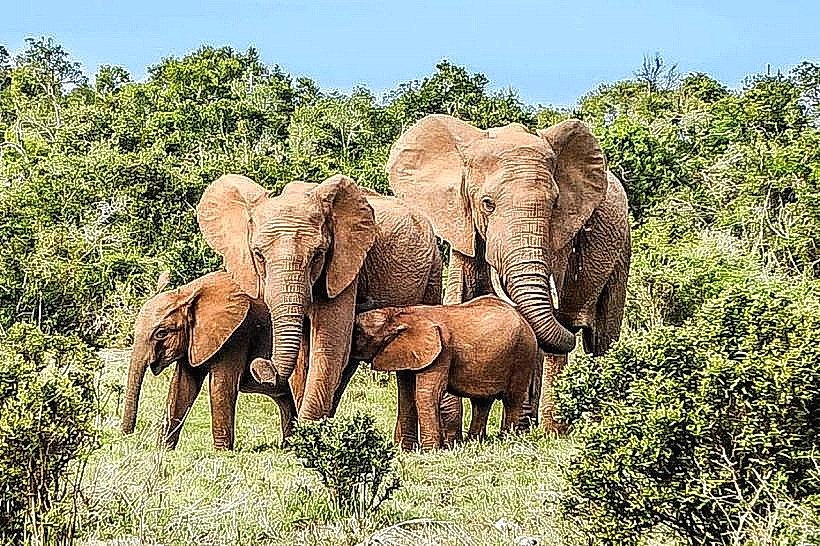
Nazinga Game Ranch (Réserve de Nazinga): One of West Africa's premier wildlife reserves, famous for its large, habituated elephant herds and diverse birdlife.
Pic de Nahouri: A prominent peak (447m) providing panoramic views of the savanna and a popular site for local hiking.
Pô Central Market: A vibrant hub for goods transiting between Ghana and Burkina Faso.
Kaboré Tambi National Park: A vast conservation area bordering the town to the north.
Transportation Network
Movement is dominated by private motorbikes and heavy-duty cargo trucks. Pô is a vital stop on the N5 highway. There is no rail service or commercial airport. Intercity travel is facilitated by shared taxis and bus lines connecting Ouagadougou to Accra, Ghana. Traffic is moderate but features a high volume of long-haul logistics vehicles.
Safety & "Red Zones"
Current Status: Do Not Travel. As of 2026, the southern border regions of Burkina Faso are under a severe Level 4 travel advisory. While Pô has a high military presence due to the commando center, the surrounding province faces increasing threats from armed groups moving through the forest reserves. Travel on the N5 highway after dark is extremely dangerous, and visits to Nazinga or Tiébélé require strict security assessments.
Digital & Financial Infrastructure
Average internet speed is 10–20 Mbps via mobile networks (Orange, Moov). Connectivity is generally stable in the town center. The economy is cash-based (CFA Franc). ATMs are available at the handful of bank branches along the main road, but card acceptance in shops is non-existent.
Climate & Air Quality
Temperatures range from 18°C in January to 40°C in April. Pô is more humid than northern Burkina Faso, with a significant rainy season from June to September. Air quality is fair during the rains but poor during the Harmattan (November–April) due to dust and agricultural burning.
Culture & Social Norms
Tipping is not standard but appreciated. Greetings are mandatory; it is essential to ask after family health before starting any business. Dress code is modest. The town is the gateway to the Kassena culture, where traditional art-specifically the black, white, and red pottery and wall paintings-remains a vibrant part of daily life.
Accommodation Zones
Stay along the N5 corridor or at the Nazinga Ranch lodges (if security permits) for the most reliable facilities for travelers.
Local Cost Index
1 Espresso: USD 1.50 (900 CFA)
1 Standard Lunch: USD 4.00 (2,400 CFA)
1 Moto-Taxi Trip: USD 0.50 (300 CFA)
Nearby Day Trips
Tiébélé (30 km): For traditional architecture.
Nazinga Game Ranch (45 km): For wildlife viewing.
Bolgatanga, Ghana (50 km): The nearest major Ghanaian city across the Dakola border.
Facts & Legends
Pô is the "City of Commandos." A local legend states that the Pic de Nahouri is protected by an ancient spirit that once hid Kassena warriors in its caves during the Mossi raids. A verified historical oddity is that the traditional houses in nearby Tiébélé are built without windows and with very low doors specifically to prevent enemies from entering easily and to keep the interiors cool during the dry season.