Information
City: TenkodogoCountry: Burkina Faso
Continent: Africa
Tenkodogo, Burkina Faso, Africa
Tenkodogo is a major city in southeastern Burkina Faso and the capital of the Boulgou Province and the Centre-Est Region. It is famously regarded as the cradle of the Mossi people, serving as the historical capital of the first Mossi kingdom.
Historical Timeline
Tenkodogo, which translates to "ancient land," was founded circa 1106 by the warrior Ouédraogo, the son of the legendary Princess Yennenga. It is the root of all other Mossi kingdoms, including Ouagadougou and Yatenga. The city maintained its independence for centuries, resisting the expansion of the Mali and Songhai Empires. In 1896, it was integrated into the French Upper Volta colony. A significant modern turning point occurred in 2019, when the city hosted the national Independence Day (December 11) celebrations, resulting in a massive overhaul of its road and housing infrastructure.
Demographics & Population
The 2026 population is estimated at approximately 75,000 within the urban center (growing from 61,936 in 2019). The primary ethnic group is the Mossi, though there is a significant presence of the Bissa and Fulani (Peulh). The predominant languages are Mooré, Bissa, and French. The population is heavily youthful, with a median age under 19.
Urban Layout & Key Districts
The city features a mix of traditional neighborhoods and modern developments.
Centre-Ville: The commercial core featuring the central market and government administrative offices.
Cité 11 Décembre: A newer residential district in the southwest characterized by modern villas and asphalted streets.
Sector 1 – 6: Traditional urban administrative divisions.
The Royal Court: The historic heart of the city, where the Naba (King) of Tenkodogo resides.
Top City Landmarks
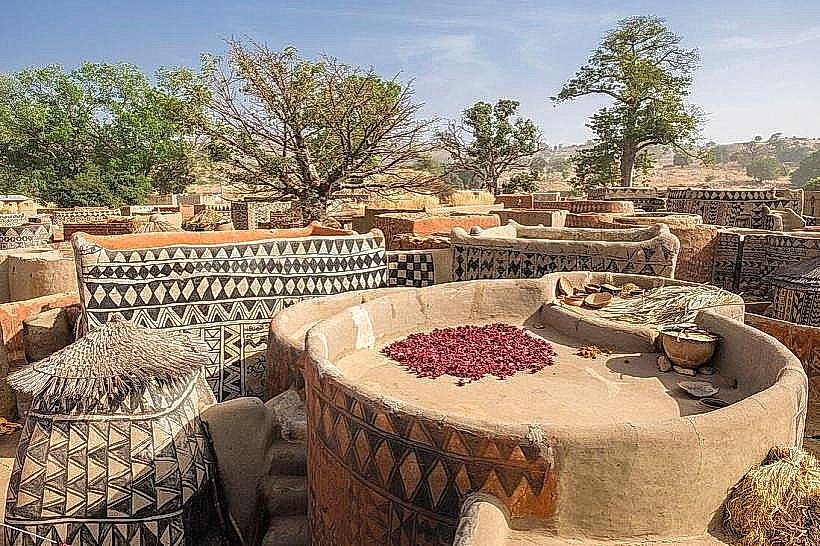
Palais Royal de Tenkodogo: The seat of the traditional monarchy and a site of deep cultural significance.
Grand Market of Tenkodogo: A major regional trading hub.
The Green Roundabouts: Modern landmarks constructed for the 2019 national celebrations.
Salle Polyvalente: A multi-purpose hall for cultural and political events.
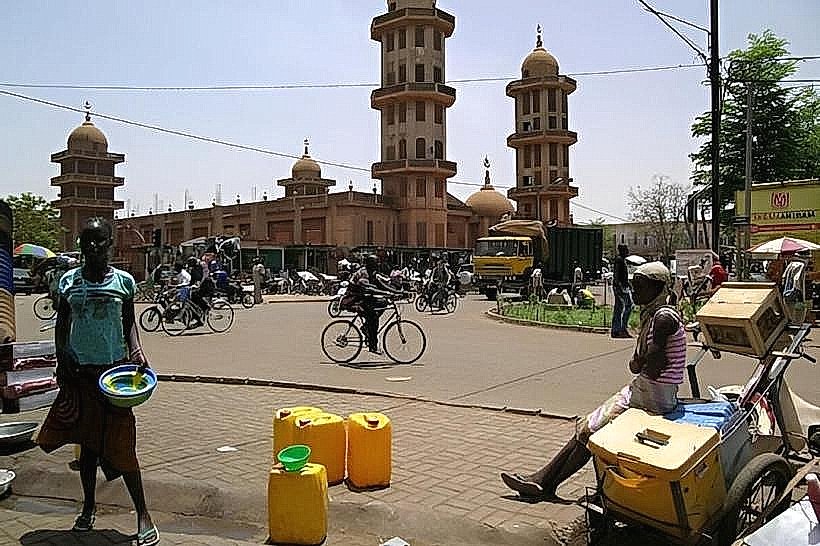
Grange Mosque of Tenkodogo: A significant religious structure in the city center.
Transportation Network
Movement is dominated by motorbikes (motos) and bicycles. Tenkodogo is a critical road junction on the N16 highway (connecting to Togo) and the N4 highway (linking Ouagadougou to Niger). Public transit consists of informal green taxis and bush taxis. The city previously had a dirt airstrip, which has since been decommissioned and redeveloped into residential zones. Traffic is generally moderate but increases during major trade days and cultural festivals.
Safety & "Red Zones"
Current Status: Do Not Travel. As of 2026, the Centre-Est region of Burkina Faso, including Tenkodogo, faces a high threat of terrorism and kidnapping. While the city itself remains under government control and is heavily secured, the surrounding rural areas and major highways are subject to ambushes and IED threats. Travel after dark is strictly discouraged, and foreigners are advised to maintain extreme vigilance and use armed security escorts for intercity transit.
Digital & Financial Infrastructure
Average internet speed is 10–20 Mbps via mobile data (Orange, Moov, or Telecel). Connectivity is generally reliable in the city center. The economy is almost entirely cash-based (CFA Franc). ATMs are available at bank branches such as Coris Bank, Ecobank, and Bank of Africa near the city center, though they may face periodic outages. Card acceptance is extremely limited.
Climate & Air Quality
Temperatures range from 18°C in winter to 40°C in the pre-monsoon heat (April/May). The rainy season lasts from June to September. Air quality is poor during the dry season (November to May) due to the Harmattan winds bringing Sahara dust and the high volume of dust from unpaved secondary roads.
Culture & Social Norms
Tipping is not standard but appreciated. Greetings are essential; it is considered disrespectful to speak to someone without first inquiring about their family and health. Dress code is conservative. Tenkodogo remains the seat of one of the most powerful traditional rulers in the country; the Naba of Tenkodogo still holds significant moral and cultural authority over the population.
Accommodation Zones
Stay in the Cité 11 Décembre district for modern amenities and better-secured guesthouses. The central district offers more budget-friendly options but with less modern infrastructure.
Local Cost Index
1 Espresso: USD 1.50 (900 CFA)
1 Standard Lunch: USD 4.00 (2,400 CFA)
1 Moto-Taxi Trip: USD 0.50 (300 CFA)
Nearby Day Trips
Garango (20 km): A traditional Bissa town known for its unique culture.
Bitou (45 km): The final major town before the Togo border.
Zouré (15 km): Scenic rural areas and traditional Mossi villages.
Facts & Legends
Tenkodogo is considered the spiritual "mother" of all Mossi people. A local legend tells that Princess Yennenga's horse, exhausted from her flight from the north, stopped to drink at a local well; the spot where it stopped marks the founding of the kingdom. To this day, the horse is a sacred symbol in Tenkodogo, and the king is often presented with horses during major ceremonies.