Information
City: GaouaCountry: Burkina Faso
Continent: Africa
Gaoua, Burkina Faso, Africa
Gaoua is a historic market town in southwestern Burkina Faso and the capital of the Poni Province. It is recognized as the spiritual and cultural capital of the Lobi people, a group known for their fierce independence and well-preserved animist traditions.
Historical Timeline
Gaoua was founded following the migration of the Lobi people from northern Ghana across the Mouhoun (Black Volta) River in the late 18th century, displacing the indigenous Gan people. The name is derived from the Dioula word for "place of the lions" or the Bissa "place of the crocodiles," reflecting the local wildlife and sacred sites. The town became a regional administrative center under French colonial rule in the late 19th century, primarily due to its reputation as a gold-trading hub and its strategic position near the borders of Côte d'Ivoire and Ghana.
Demographics & Population
The total population is approximately 56,335 (2025/2026 estimate). The primary ethnic group is the Lobi, followed by the Gan, Birifor, and Dagara. The predominant languages are Lobiri, Dioula, and French. The median age is approximately 18 years.
Urban Layout & Key Districts
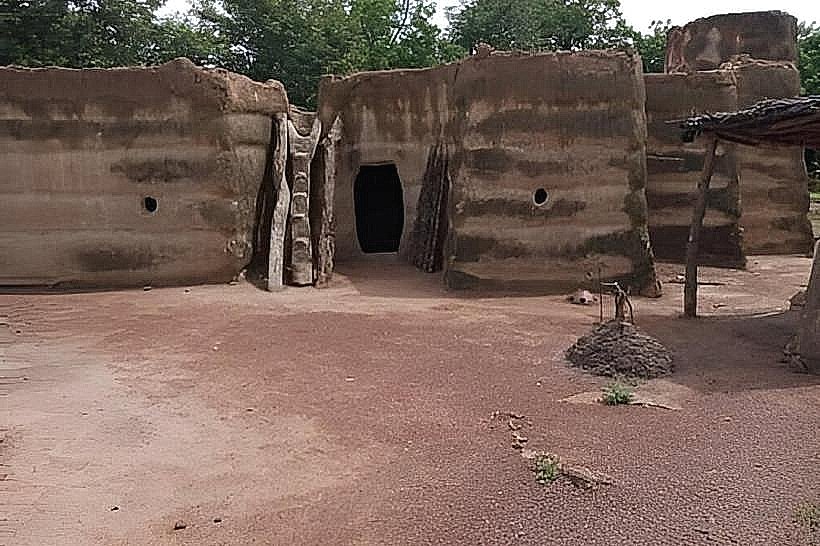
The city is situated among red-earth hills and green valleys. The Commercial Center (Central) is home to the lively Sunday market and government offices. The "Museum District" (Northwest) contains the Poni Museum and the sacred grove. The town is surrounded by a rural landscape where traditional Lobi dwellings are not clustered in villages but scattered as isolated, fortified family compounds.
Top City Landmarks
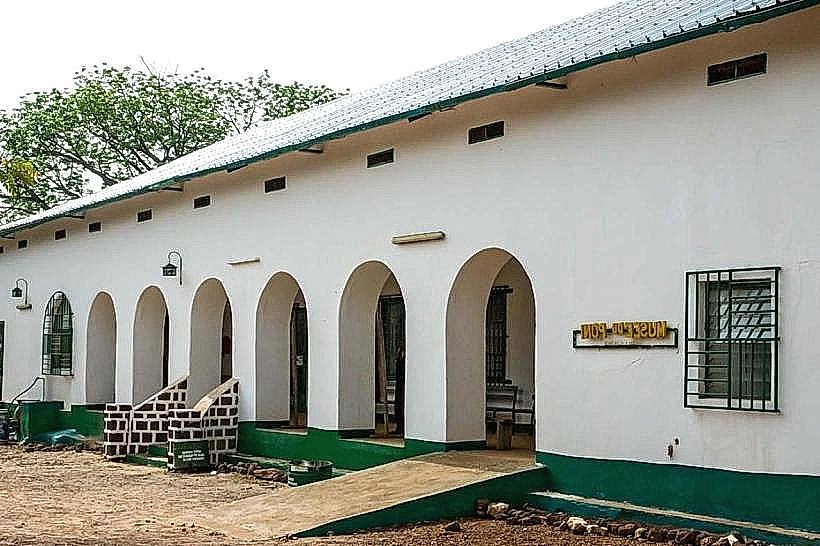
Musée du Poni (Museum of Southwestern Civilizations): An essential ethnographic museum showcasing Lobi artifacts, traditional architecture, and colonial history.
The Sacred Grove: A protected forest area near the town center used for traditional rites.
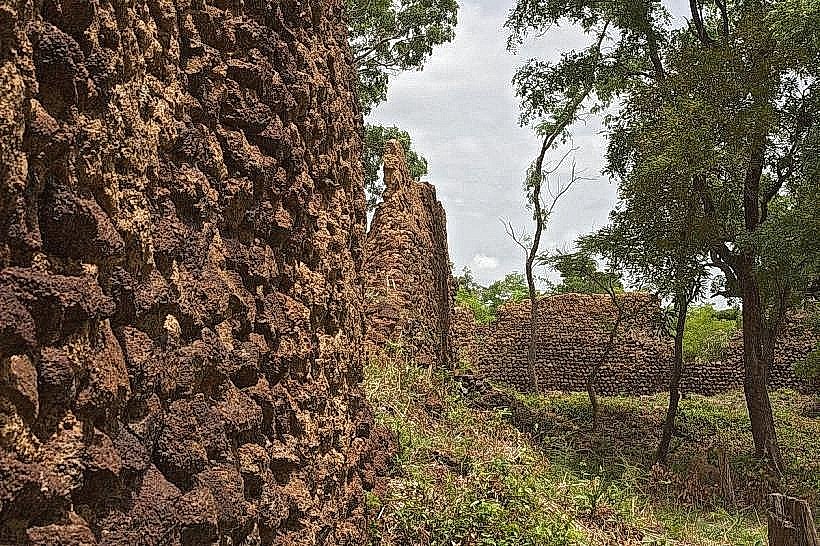
Ruins of Loropéni: A UNESCO World Heritage site located 40 km west, featuring massive stone walls from an ancient fortified settlement.
Sanctuary of the Gan Kings: Located in nearby Obiré, housing the tombs of the Gan monarchy.
Kampti Fetish Houses: Located 40 km south, famous for its powerful traditional healers and intricate "soukhala" (fortified houses).
Transportation Network
Movement is dominated by motorbikes and "taxi-brousse" (bush taxis). Gaoua is connected to Bobo-Dioulasso and Ouagadougou via paved roads (asphalted in 2004), which serve as the primary supply lines. There is no rail service or commercial airport; the nearest major air hub is in Bobo-Dioulasso. Traffic is generally light but composed of heavy transit vehicles moving toward the Ghanaian and Ivorian borders.
Safety & "Red Zones"
Current Status: Do Not Travel. As of 2026, Burkina Faso remains under a severe "Level 4" travel advisory. While the Sud-Ouest region was historically more stable than the North, it has increasingly faced incursions from armed groups and rising insecurity. Travel between Gaoua and outlying sites (like Loropéni or Kampti) is considered extremely high-risk due to the threat of ambush or kidnapping on rural roads.
Digital & Financial Infrastructure
Average internet speed is 5–15 Mbps via mobile data (Orange, Moov). Card acceptance is virtually non-existent; the economy is cash-based (CFA Franc). A few bank branches with ATMs exist in the town center, but service is frequently interrupted by technical issues or cash shortages.
Climate & Air Quality
Temperatures range from 18°C to 38°C. Gaoua receives significant rainfall compared to the rest of the country, resulting in a lush, green landscape. The rainy season lasts from June to October. Air quality is fair but often dusty during the dry Harmattan season (November to May).
Culture & Social Norms
The Lobi culture is deeply animist and egalitarian. Tipping is not required but appreciated. Greetings are mandatory and lengthy. Dress code is modest. The Lobi are famous for their bateba (wooden statues used as intermediaries with spirits) and their skilled use of the balafon. Visitors to traditional compounds (soukhalas) must always seek permission and offer a greeting before entering, as the architecture is designed for defense.
Accommodation Zones
Stay in the town center near the Poni Museum or the Central Market for the best access to local services and the most reliable (though often intermittent) utilities.
Local Cost Index
1 Espresso: USD 1.25 (approx. 750 CFA)
1 Standard Lunch: USD 3.50 (approx. 2,100 CFA)
1 Moto-Taxi Trip: USD 0.40 (approx. 250 CFA)
Nearby Day Trips
Loropéni (40 km)
Kampti (40 km)
Banfora (180 km)
Bobo-Dioulasso (200 km)
Facts & Legends
The Lobi name literally translates to "children of the forest." A local legend describes the Mouhoun River as the boundary between the physical and spiritual worlds; it is believed that during the migration from Ghana, the river's spirits protected the Lobi from slave raiders. Another legend claims the sacred crocodiles in regional pools protect the town and will appear only to those with "pure intentions."