Information
City: Fada N GourmaCountry: Burkina Faso
Continent: Africa
Fada N Gourma, Burkina Faso, Africa
Fada N'Gourma (often simply Fada) is a major market town in eastern Burkina Faso and the capital of the Est Region. Strategically located 219 kilometers east of Ouagadougou, it is a critical transit hub for trade routes connecting Burkina Faso with Niger, Benin, and Togo.
Historical Timeline
Fada N'Gourma was founded in the early 13th century by Diaba Lompo and was originally named Bingo. It became the capital of the Gourma Kingdom, a powerful state of the Gourmanché people that resisted expansion by the Songhai Empire for centuries. In 1895, the local ruler accepted a French protectorate, and the town transitioned into a colonial administrative center. In the modern era, the town has become the seat of the Gurmu-Naba (the King of the Gourma), the third most powerful traditional ruler in the country.
Demographics & Population
The urban population is estimated at approximately 139,133 (2025/2026 estimate). However, this number is significantly bolstered by over 125,000 Internally Displaced Persons (IDPs) who have sought refuge in the city due to regional instability. The primary ethnic group is the Gourmanché, alongside significant Fulani and Mossi populations. The main languages are Gourmanchéma, Mooré, Fulfulde, and French.
Urban Layout & Key Districts
The city is organized along the main east-west N3 highway.
Centre-Ville: The economic heart, containing the Grand Market and administrative offices.
Quartier Koulouba: A quieter residential area located away from the primary transit noise.
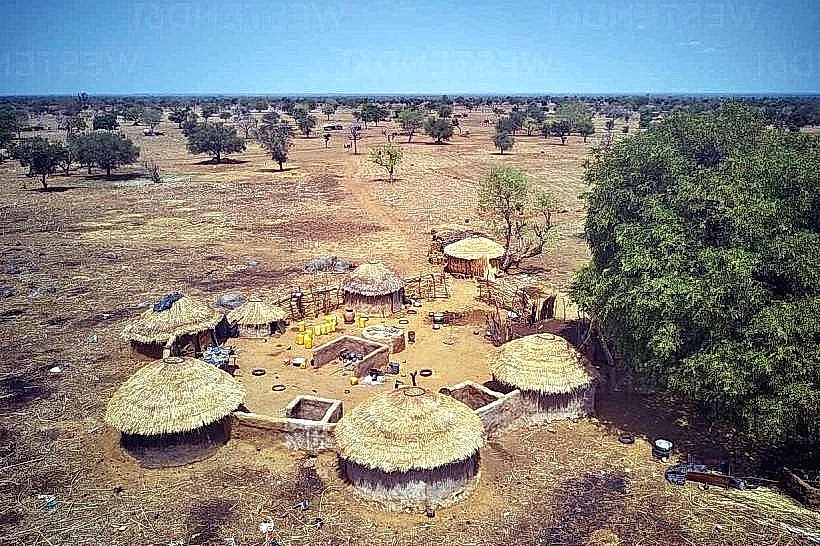
Quartier Boulmiougou: Known for local nightlife and a mix of traditional and modern dwellings.
IDP Camps: Large, informal settlements concentrated on the outskirts, particularly to the north and east.
Top City Landmarks
The Royal Palace of the Gurmu-Naba: The residence of the King and a center for traditional Gourmanché law.
Fada Central Market: A massive regional hub for cattle, shea butter, and agricultural products.
Grand Mosque of Fada N’Gourma: A prominent religious site in the town center.
Marché aux Bestiaux (Livestock Market): One of the largest cattle markets in West Africa, attracting traders from neighboring countries.
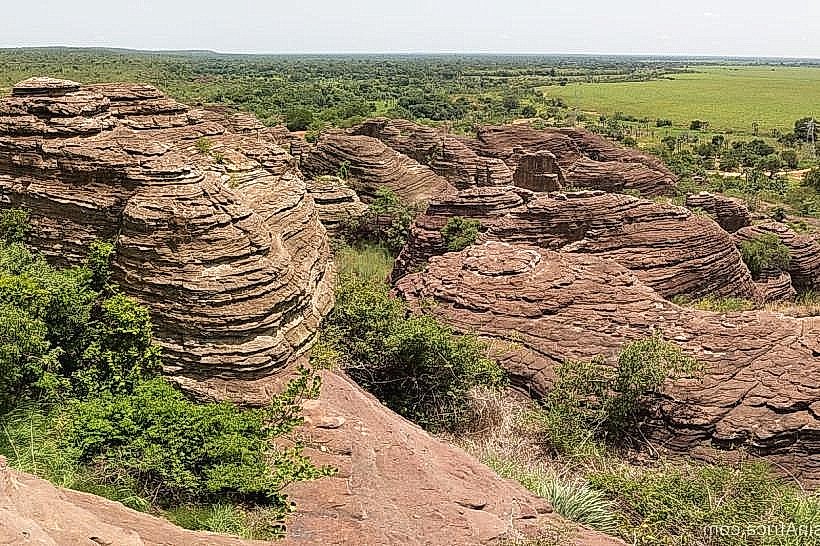
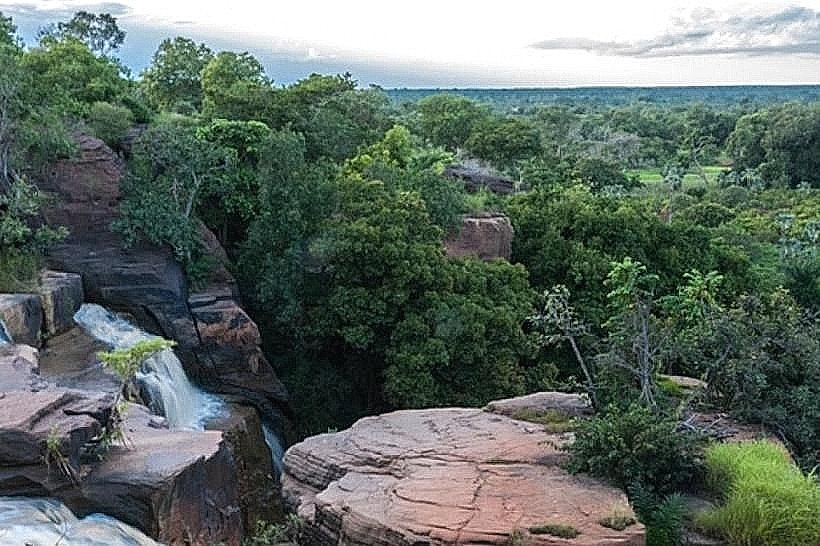
The Honey Cliffs: Areas surrounding the city known for traditional beehives and honey production.
Transportation Network
Movement is dominated by motorbikes (motos) and bicycles. Fada N'Gourma is a primary road junction for the N3 (Ouaga-Niger) and the N18 (to Benin/Togo). Public transit consists of shared taxis and regional bus lines (cars), though these are currently subject to extreme security restrictions. There is no rail or commercial air service in Fada.
Safety & "Red Zones"
Current Status: Do Not Travel. As of 2026, the Est Region is one of the most volatile areas in Burkina Faso. Fada N'Gourma is effectively a fortified enclave; travel outside the city limits is extremely dangerous due to the high risk of terrorist ambushes, IEDs on roads, and kidnapping. Security forces maintain a heavy presence, and a State of Emergency is in effect. Intercity travel to Ouagadougou is often only possible via military-escorted convoys.
Digital & Financial Infrastructure
Average internet speed is 5–15 Mbps via mobile data (Orange, Moov). Connectivity is frequently disrupted by security operations. The economy is cash-based (CFA Franc). A few bank branches (e.g., Coris Bank, Ecobank) provide ATMs in the town center, but cash shortages are frequent due to supply chain disruptions.
Climate & Air Quality
Temperatures range from 15°C in January to over 40°C in April. The climate is semi-arid (Sudano-Sahelian), with a rainy season from May to September. Air quality is poor during the dry Harmattan season (November to April) due to intense Sahara dust and smoke from local cooking fires.
Culture & Social Norms
Tipping is not required but 500–1000 CFA is appreciated for guided services. Greetings are highly formalized and essential for social harmony. Dress code is conservative. The town is famous for its leatherwork and honey, and the "Festival of Masks" remains a vital event where traditional Gourmanché heritage is displayed through dance and ceremony.
Accommodation Zones
Stay in the central district near the regional governor's office or the King’s Palace for the most consistent security presence.
Local Cost Index
1 Espresso: USD 1.50 (900 CFA)
1 Standard Lunch: USD 4.00 (2,400 CFA)
1 Moto-Taxi Trip: USD 0.50 (300 CFA)
Nearby Day Trips
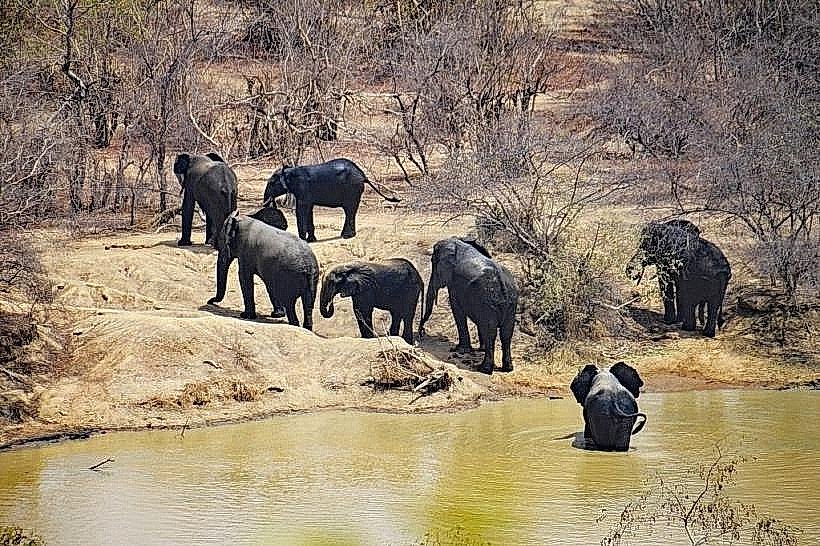
Pama Wildlife Reserve (95 km): Historically famous for safaris, currently inaccessible due to security risks.
Koupéla (80 km): A major road crossroads and site of a large cathedral.
Tenkodogo (85 km): The historical cradle of the Mossi people.
Facts & Legends
Fada N'Gourma is often called the "City of Honey" because of its high-quality apiculture. A local legend tells that the founder, Diaba Lompo, arrived on a flying horse to establish the kingdom; the horse is still a symbol of the Gourmanché monarchy. To this day, the Gurmu-Naba holds "court" every Friday morning to settle local disputes, a practice that predates the modern legal system.