Information
Landmark: W Regional MuseumCity: Fada N Gourma
Country: Burkina Faso
Continent: Africa
W Regional Museum, Fada N Gourma, Burkina Faso, Africa
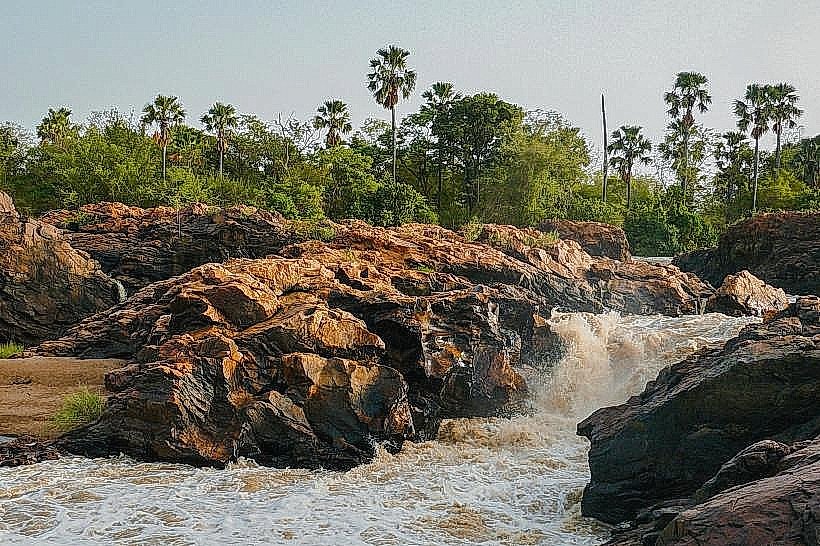
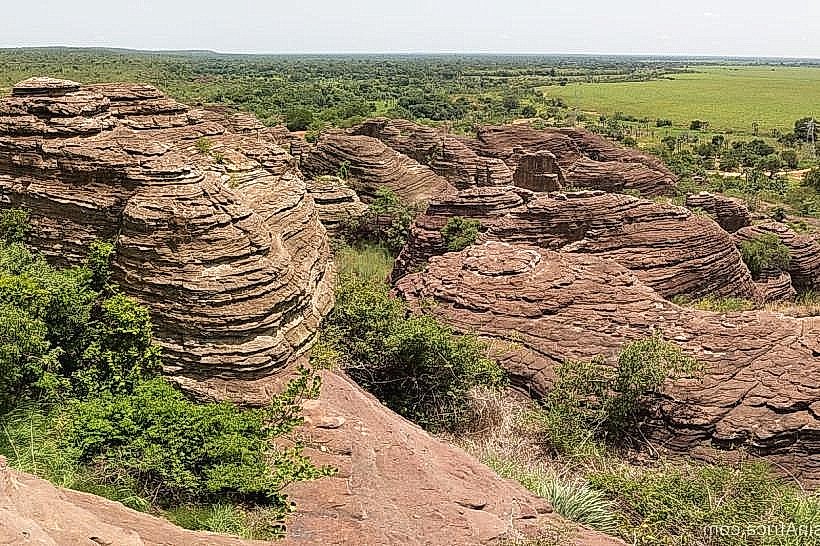
The W Regional Museum, situated near the W National Park in the far west of Burkina Faso, is a small but richly informative institution that bridges cultural heritage and natural history. It functions as a hub for understanding the unique traditions of local communities and the ecological significance of the surrounding savannah and riverine landscapes.
Architecture and Layout
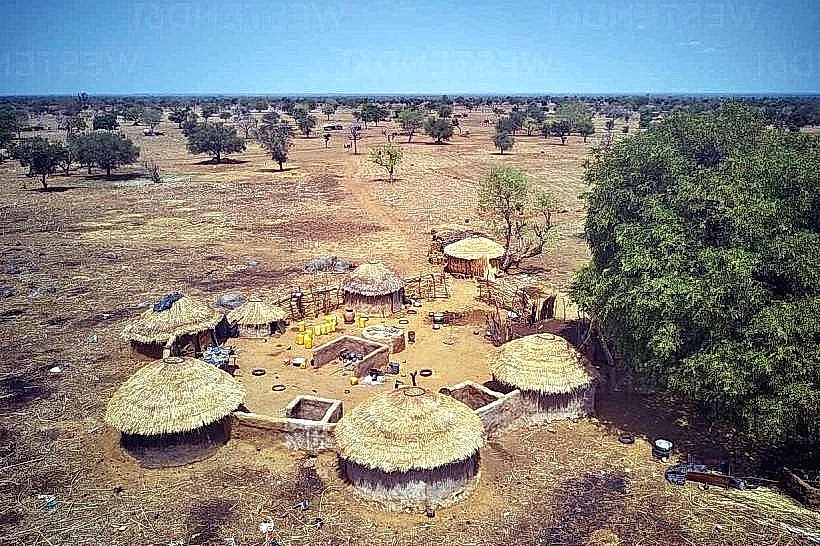
The museum building itself is modest yet carefully designed to reflect local architectural traditions. Adobe walls, earthen floors, and sections of thatched roofing create a sense of place, blending harmoniously with the surrounding environment. Inside, the museum is organized into distinct galleries and open-air courtyards. Narrow corridors lead visitors from one thematic section to another, while shaded seating areas and small gardens provide restful spaces to reflect on the exhibits. The layout encourages a slow, immersive exploration rather than a hurried walkthrough. Informational panels are presented in French, the national language, and occasionally in local dialects such as Gourmantché, making the experience accessible to diverse visitors.
Cultural Exhibits
A major focus of the museum is the ethnography of local communities, particularly the Gourmantché, Fulani, and other ethnic groups inhabiting the W region. Display cases showcase traditional clothing, including handwoven cotton garments dyed with indigo and decorated with embroidered patterns. Jewelry made of bronze, beads, and cowrie shells illustrates social status, marriage customs, and ceremonial importance. Wooden masks and figurines used in rituals or masquerades convey spiritual and ancestral symbolism, while leather goods, pottery, and hunting tools provide insight into daily life and subsistence strategies.
Interactive displays sometimes feature live demonstrations by local artisans. Visitors may observe weaving on looms, pottery shaping, or metalworking, connecting museum exhibits with living practices. Storytellers occasionally share local myths and oral histories, giving context to ceremonial objects and explaining their role in community identity.
Natural History Exhibits
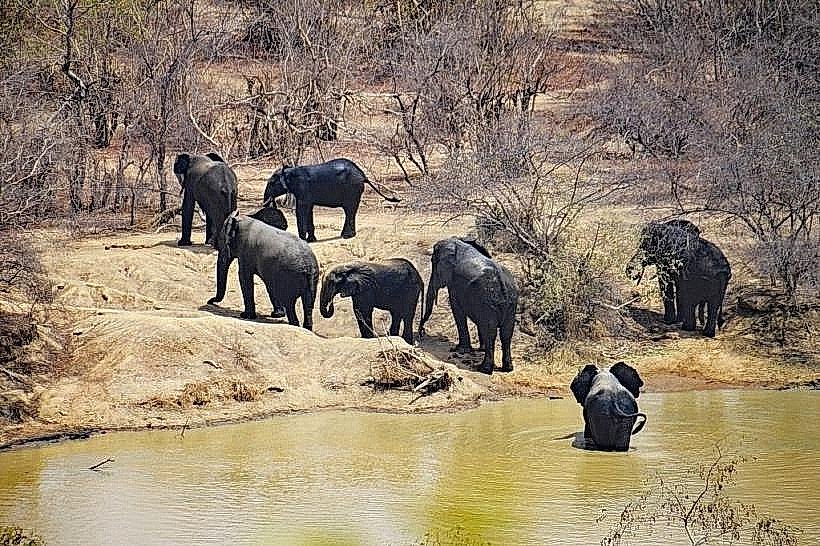
Another prominent section of the museum highlights the region’s rich biodiversity, with an emphasis on W National Park’s flora and fauna. Specimens of birds, small mammals, reptiles, and insects are mounted in carefully labeled displays. Panels explain seasonal migrations, predator-prey dynamics, and conservation challenges faced by the park. Maps of the park, rivers, and surrounding villages illustrate how human communities have historically interacted with and depended on the landscape for water, food, and pasture. Some exhibits incorporate audio recordings of bird calls or the sounds of the savannah, enhancing the sensory experience.
Educational and Community Engagement
The museum plays an active role in education and community engagement. School groups and visiting researchers can attend workshops on traditional crafts, conservation practices, or local history. Special events occasionally coincide with regional festivals, providing visitors a glimpse into music, dance, and culinary traditions. This combination of static exhibits and interactive experiences makes the museum a lively cultural hub despite its small size.
Visitor Experience
Visiting the W Regional Museum feels like a gentle immersion into both the human and natural landscapes of Burkina Faso’s far west. The quiet courtyards, earthy smell of adobe, and careful arrangement of artifacts allow for slow, contemplative exploration. Visitors often leave with a deeper appreciation for the resilience of local communities, the beauty of their craft, and the ecological importance of the surrounding parklands. Small souvenirs, like handwoven baskets or pottery replicas, are available at the museum shop, offering tangible memories of the visit.
Overall, the W Regional Museum is a compact yet comprehensive portal into the region’s ethnography, ecology, and living traditions, making it an essential stop for travelers interested in culture, conservation, and regional history.