Information
Landmark: Gourma Elephant Migration CorridorCity: Fada N Gourma
Country: Burkina Faso
Continent: Africa
Gourma Elephant Migration Corridor, Fada N Gourma, Burkina Faso, Africa
The Gourma Elephant Migration Corridor in eastern Burkina Faso is a vital ecological zone that forms part of the larger transboundary landscape connecting the Gourma region of Burkina Faso with parts of Mali. It is a critical migratory route for the West African savannah elephant, one of the last remaining populations of its kind in the region. This corridor ensures seasonal movement between feeding and watering areas, supporting both the survival of elephants and the ecological integrity of the Sahelian savannah.
Geography and Landscape
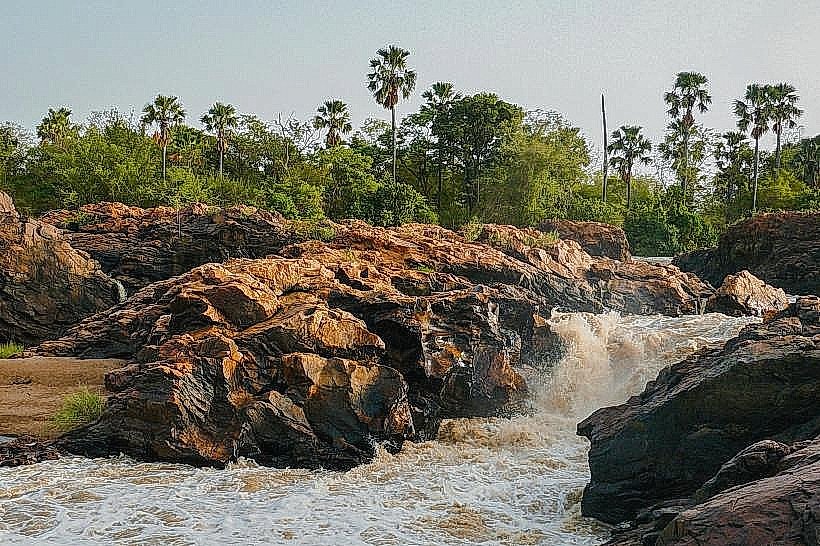
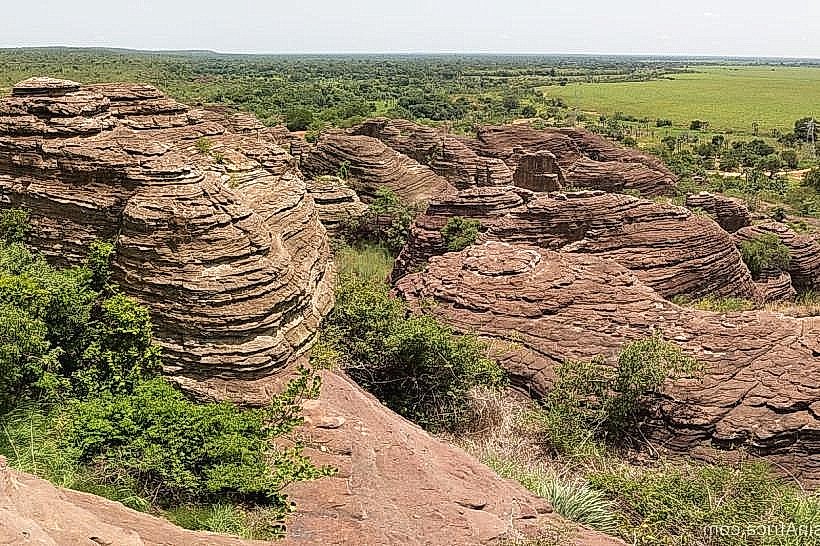
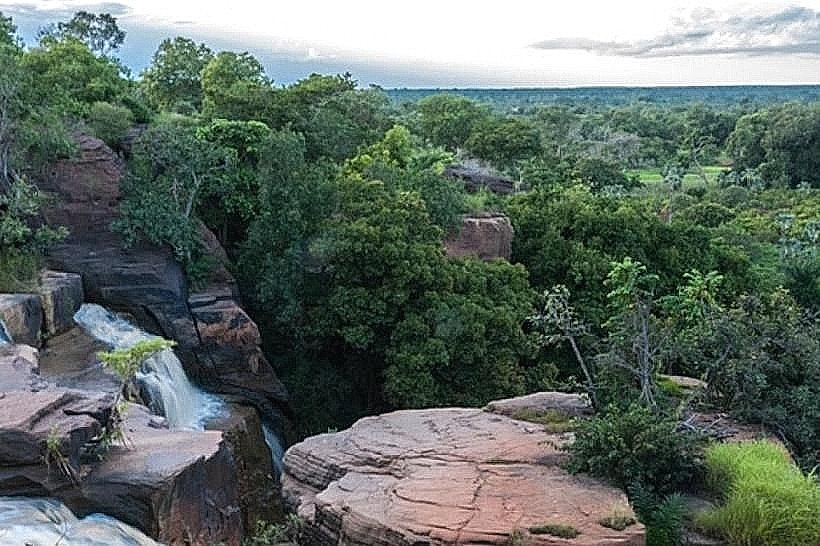
The corridor traverses a mix of open savannah, acacia woodlands, seasonal wetlands, and cultivated lands. Rolling plains dominate much of the route, interspersed with small forest patches, rocky outcrops, and ephemeral waterholes that become focal points during the dry season. Vegetation is adapted to the semi-arid Sahelian climate, with hardy grasses, shrubs, and drought-tolerant trees providing food and shade for migrating elephants. During the rainy season, ephemeral streams and temporary ponds appear, offering abundant water and forage.
Wildlife and Biodiversity
Elephants are the centerpiece of the corridor, moving in search of water and forage, often in herds ranging from small family units to larger aggregations. Other wildlife shares the habitat, including kob antelopes, warthogs, lions, hyenas, and numerous bird species, particularly near water sources. The corridor’s seasonal wetlands also attract migratory birds, adding ecological richness to the area. The movement patterns of elephants shape vegetation dynamics, dispersing seeds and maintaining savannah biodiversity.
Cultural and Local Significance
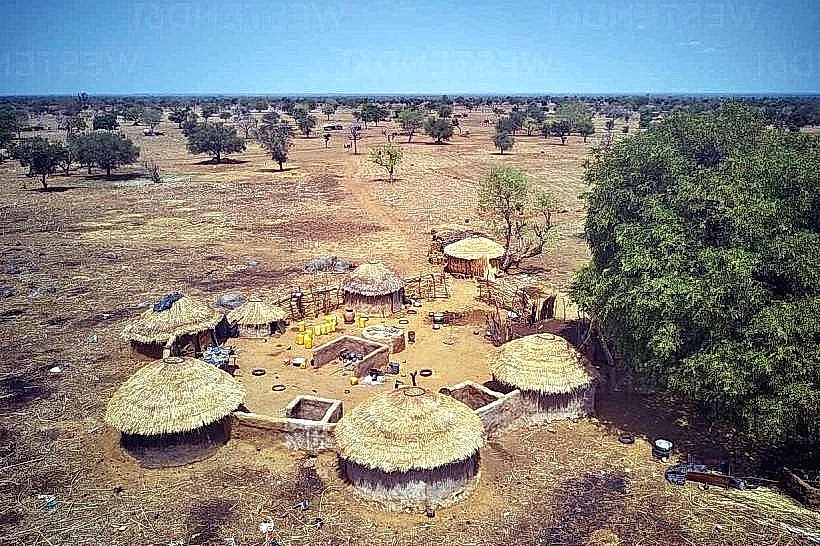
Local communities along the corridor, including Gourmantché villages, recognize the ecological and symbolic importance of the elephants. Elephants feature in folklore, spiritual practices, and community identity. However, their migration also brings challenges, such as crop raiding and human-wildlife conflicts. Community-based management initiatives and awareness programs aim to balance elephant conservation with local livelihoods. Traditional knowledge of migration routes, water sources, and seasonal patterns is essential in guiding both conservation and local agricultural practices.
Visitor Experience
The corridor is remote and largely undeveloped for tourism, but guided excursions with local conservation organizations or rangers provide opportunities to observe elephants in their natural migratory behavior. Visits are best timed for the dry season when elephants congregate near permanent water sources, making sightings more predictable. Observing the herds as they traverse open plains, cross seasonal streams, or rest in shaded groves offers an intimate view of their natural behavior and the vastness of the Sahel.
Atmosphere and Sensory Details
The corridor conveys a sense of openness and wildness. The soundscape includes the low rumble of distant elephants, calls of birds, and rustling of dry grasses. Sunlight casts sharp contrasts on the flat plains and gentle hills, while dust rises along elephant trails, creating a sense of movement and scale. The combination of arid beauty, wildlife activity, and human presence in scattered villages gives the corridor a layered and dynamic character.
Nearest Towns
The corridor spans a remote region, but the nearest towns providing access and support are:
Fada N’Gourma – approximately 50–100 kilometers to the west, serving as the main hub for logistics, accommodation, and guides.
Pama – around 60 kilometers to the east, closer to core elephant habitats, with smaller local facilities and ranger posts.
Diapaga – roughly 80 kilometers to the north, another regional center for conservation operations and access to surrounding protected areas.
The Gourma Elephant Migration Corridor is a rare and remarkable feature of Burkina Faso’s Sahel, offering critical habitat for one of West Africa’s most iconic species while highlighting the complex interaction between wildlife, people, and the semi-arid environment.