Information
City: DoriCountry: Burkina Faso
Continent: Africa
Dori, Burkina Faso, Africa
Dori is the capital of the Sahel Region and the Séno Province in northeastern Burkina Faso. Positioned in the transition zone between the savanna and the Sahara, it is a vital commercial crossroads for pastoralists, herders, and traders from the Fulani, Tuareg, and Songhai ethnic groups.
Historical Timeline
Dori was originally a focal point for the Liptako Emirate, a 19th-century Fulani state. It transitioned into a French administrative outpost in the late 1800s. The town’s modern form was dictated by its role as a strategic terminal for the Sahelian trade routes. In recent years, Dori has become a primary sanctuary for hundreds of thousands of people displaced by regional conflict, fundamentally altering its demographic and urban footprint.
Demographics & Population
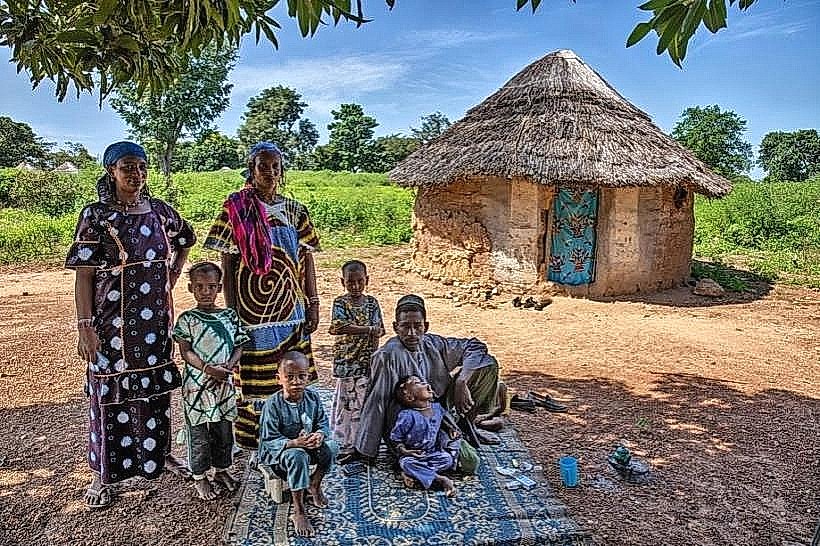
The urban population is approximately 55,000 (2026 estimate), though the effective population is much higher due to the influx of Internally Displaced Persons (IDPs). The primary ethnic group is the Fulani (Peulh), with significant Tuareg, Songhai, and Mossi minorities. The dominant languages are Fulfulde, Mooré, and French.
Urban Layout & Key Districts
The town is situated between two large barrages (seasonal stream barriers) that dictate its expansion.
Centre-Ville: The commercial core containing the central market and administrative offices.
Quartier de l'Indépendance: A quieter residential area with several guesthouses.
Quartier de la Gare: The transport hub area located near the main bus station and the market.
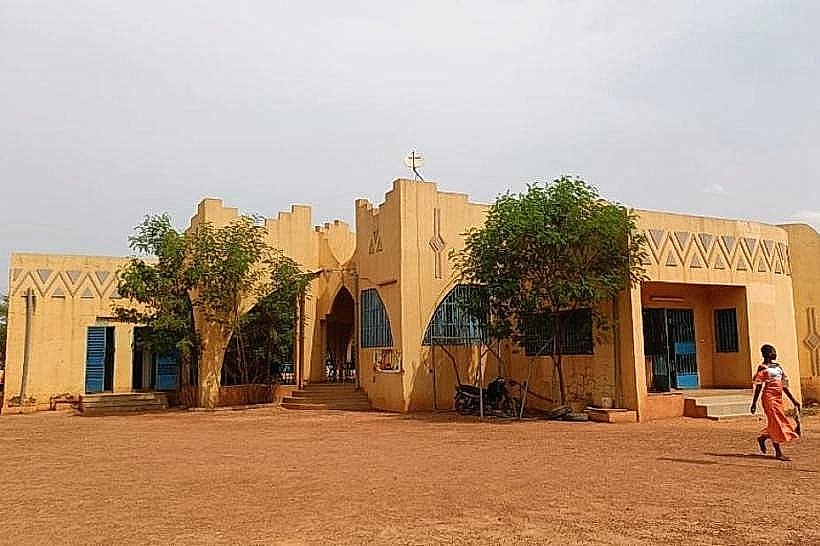
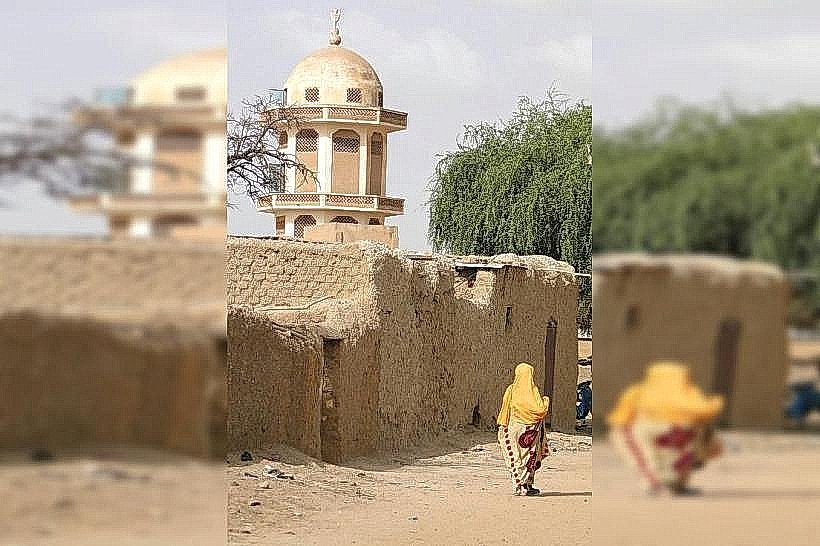
The Old District: Characterized by traditional Sahelian architecture and winding alleys.
Top City Landmarks
Grand Mosque of Dori: A central cultural and architectural landmark of the Sahel.
Dori Central Market: A major regional hub famous for livestock and "Dori blankets."
The Emir’s Palace: The seat of the Emir of Liptako, representing the town’s traditional authority.
Artisan Quarter: Small workshops producing authentic Tuareg silver jewelry and leatherwork.
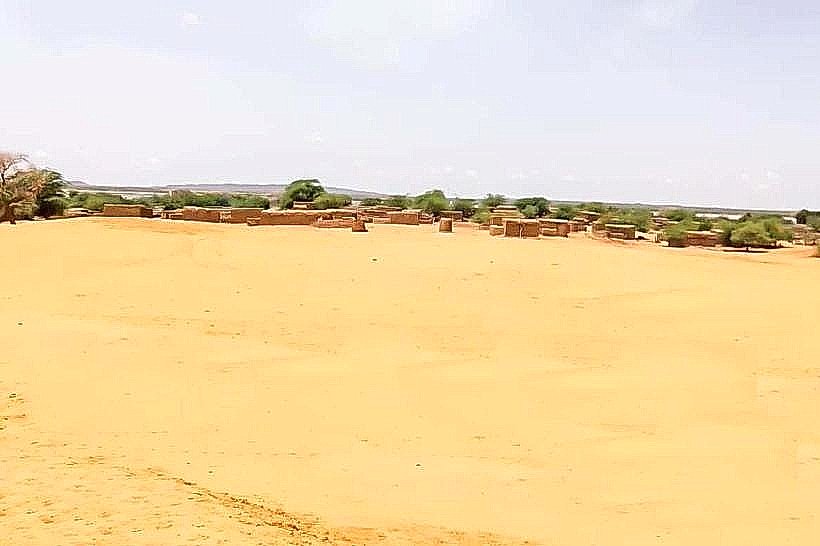
The Barrages: Seasonal water bodies that provide a stark contrast to the surrounding desert landscape.
Transportation Network
Movement is dominated by motorbikes and camels. Dori is connected to Ouagadougou via the N3 highway. Bus services (TSR, SOGEBAF) operate once or twice daily, but schedules are frequently disrupted by security conditions. There are no metro systems. The local "gare routière" (bus station) is the primary hub for bush taxis. Traffic is generally light, but sand and water (during the rainy season) are significant obstacles for vehicles.
Safety & "Red Zones"
Current Status: Do Not Travel. As of 2026, the Sahel Region is under a severe Level 4 travel advisory. Dori is a high-risk zone due to the threat of terrorism, kidnapping, and armed banditry. The town is frequently isolated by militant activity on the roads leading to the capital. Travel outside the town center, especially to the borders of Niger or Mali, is considered extremely high-risk and is generally impossible without heavily armed military escorts.
Digital & Financial Infrastructure
Average internet speed is 5–15 Mbps via mobile networks (Orange, Moov). Connectivity is often unreliable and subject to government-imposed security blackouts. The economy is strictly cash-based (CFA Franc). A few ATMs exist at bank branches in the center, but they frequently run out of cash. Card acceptance is virtually non-existent.
Climate & Air Quality
Temperatures range from 15°C in winter to over 43°C in the pre-monsoon heat (April/May). Dori is an arid environment. Air quality is often very poor during the Harmattan season (November to April) due to intense Sahara dust storms. During the short rainy season (July to September), the town can experience localized flooding that makes roads impassable.
Culture & Social Norms
Tipping is not a standard requirement but 500 CFA is appreciated for assistance. Greetings are extensive and highly mandatory; it is culturally offensive to skip them. Dress code is conservative; many residents wear traditional boubous or Tuareg turbans. The town is famous for the "Dori Blanket," a heavy, hand-woven textile essential for the cold Sahelian nights.
Accommodation Zones
Stay in the Quartier de l'Indépendance for better-managed guesthouses and a relatively more secure environment compared to the high-traffic market areas.
Local Cost Index
1 Espresso: USD 1.50 (900 CFA)
1 Standard Lunch: USD 3.50 (2,100 CFA)
1 Moto-Taxi Trip: USD 0.40 (250 CFA)
Nearby Day Trips
Gorom-Gorom (52 km): Famous for its massive Thursday market and Tuareg presence.
Oursi Wetlands (40 km): A site for migratory birds and sand dunes.
Note: All day trips are currently considered extremely high-risk and are generally discouraged.
Facts & Legends
Dori is known as the "City of Herders." A local legend suggests that the town’s name comes from a Fulfulde phrase meaning "a place where one finds water," referring to the seasonal lakes that saved early nomadic tribes. A verified historical oddity is the city's role as a major center for the P.M.U. (horse racing betting), which is a surprisingly popular pastime in this remote desert outpost.