Information
Landmark: Fulani Cultural SettlementsCity: Dori
Country: Burkina Faso
Continent: Africa
Fulani Cultural Settlements, Dori, Burkina Faso, Africa
The Fulani Cultural Settlements in Burkina Faso are living representations of the pastoralist Fulani (Peulh) communities, particularly in the Sahel and northern regions. These settlements provide a vivid glimpse into the Fulani’s traditional way of life, social organization, and enduring cultural practices.
Structure and Layout
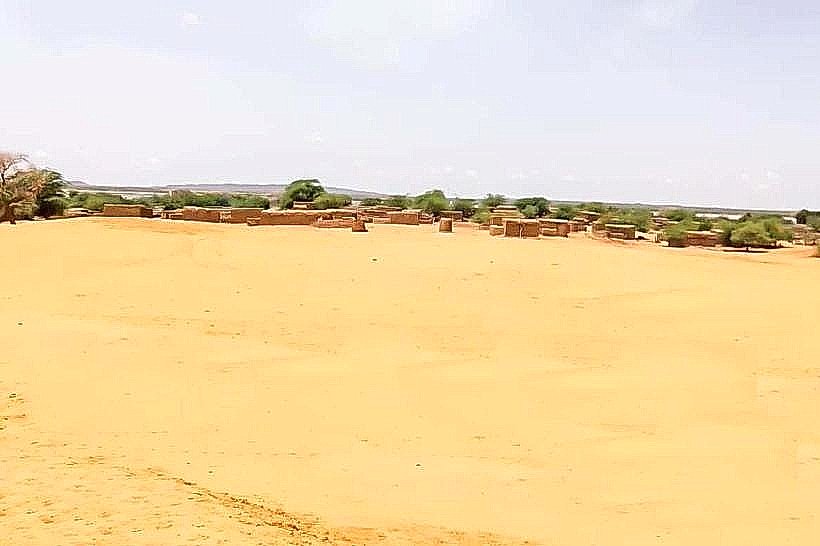
Fulani settlements are typically organized as compounds of circular huts made from mud, clay, and thatch. The circular design aids temperature regulation, keeping interiors cooler during the scorching Sahelian days and warmer at night. Each compound is enclosed by a low fence of thorny branches or woven reeds, creating a communal yard where livestock, primarily cattle, can graze safely. Water points and small granaries are carefully positioned within the settlement, reflecting practical planning for survival in a semi-arid environment.
Cultural and Social Organization
The Fulani are traditionally semi-nomadic pastoralists, and their settlements reflect a balance between mobility and community cohesion. Leadership within a settlement is typically held by an elder or head of the family (Ardo), who manages grazing rotations, mediates disputes, and oversees rituals. Extended families often live in adjacent compounds, maintaining strong kinship networks that support mutual aid, social events, and intermarriage arrangements.
Daily Life and Practices
Daily life revolves around cattle herding, milking, and dairy processing, which form the economic backbone of the Fulani. Women often manage household chores, milk processing, and artisanal crafts like weaving mats or creating leather goods, while men tend livestock across nearby pastures. Traditional clothing, such as embroidered tunics for men and brightly colored wraps for women, is both practical and symbolic, reflecting social status and ethnic identity. Music, storytelling, and dance remain integral to community life, particularly during seasonal festivals, weddings, and initiation ceremonies.
Interaction with the Environment
Fulani settlements are intimately tied to the land. The placement of compounds, grazing routes, and water sources is informed by centuries of knowledge of the semi-arid Sahelian environment. Seasonal migration allows livestock to access fresh pastures, while settlements remain strategically located to maintain access to water, trade routes, and markets.
Visitor Experience
Visiting Fulani settlements offers a rare opportunity to observe living traditions rather than static exhibits. Travelers can witness daily routines like cattle herding, milking, and preparation of traditional dishes such as fermented milk products. Respectful engagement with the community often allows for storytelling, craft demonstrations, and observation of seasonal rituals. The open layout of compounds, the low hum of conversation, and the sight of cattle grazing against a backdrop of sparse trees and savannah provide an immersive cultural experience.
The Fulani Cultural Settlements in Burkina Faso are a vivid expression of pastoral heritage, illustrating the resilience, adaptability, and social cohesion of one of West Africa’s most iconic ethnic groups while offering visitors an authentic window into traditional Sahelian life.