Information
City: ParosCountry: Greece
Continent: Europe
Paros, Greece, Europe
Paros is the central transportation hub of the Cyclades, situated west of Naxos and east of Antiparos. It is globally recognized for its white Parian marble, which was used for the Venus de Milo, and its balance of traditional Cycladic architecture with a developed cosmopolitan infrastructure.
Historical Timeline
Antiquity: Famous for its marble quarries. The island became a significant maritime power and established colonies as far as the Adriatic Sea.
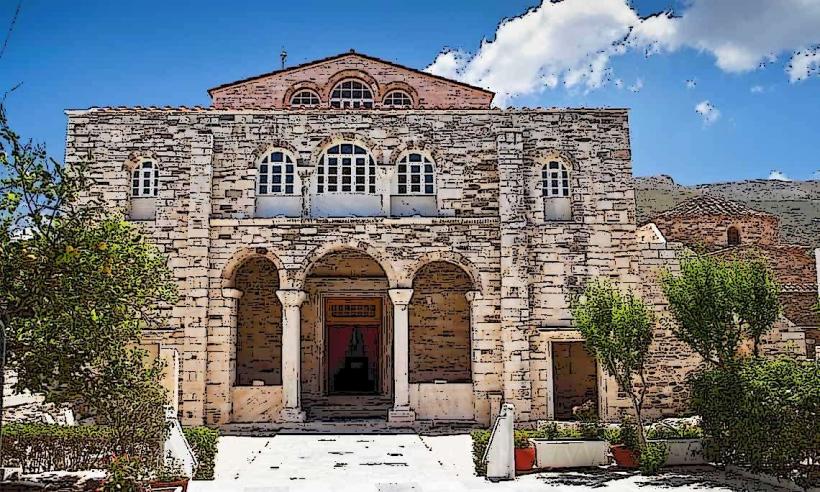
Byzantine Period: Home to the Panagia Ekatontapyliani, one of the most important early Christian monuments in Greece.
Venetian Rule (1207–1537): Part of the Duchy of the Archipelago. The Venetians built the fortified Kastro in Parikia and the harbor fort in Naoussa.
Modern Era: Following a period of agricultural focus, Paros became one of Greece’s primary tourism drivers in the late 20th century.
Urban Layout & Main Villages
Parikia: The capital and main port. It features a labyrinthine Old Town built around a Venetian castle and a long waterfront promenade.
Naoussa: A former fishing village in the north that has transformed into a high-end nightlife and dining destination. It retains its narrow stone-paved alleys and a Venetian port.
Lefkes: The former medieval capital, located in the mountainous interior. It is the most traditional village on the island, characterized by marble-paved streets and neoclassical influence.
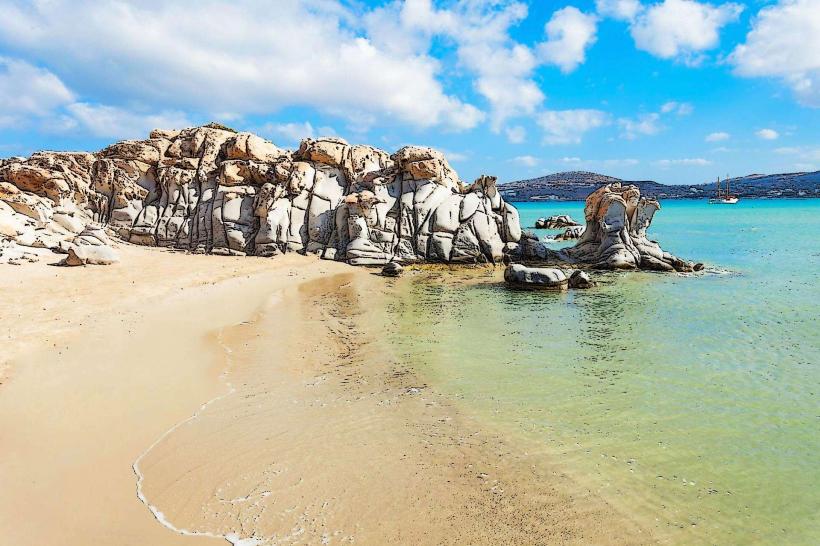
Piso Livadi: A quiet fishing port on the eastern coast, serving as a gateway to the beaches of Golden Beach and New Golden Beach.
Top Landmarks
Panagia Ekatontapyliani: The "Church of 100 Doors," a 4th-century Byzantine complex in Parikia. Legend says 99 doors have been found, and the 100th will appear when Constantinople returns to Greek rule.
Frankish Castle (Kastro): Built in the 1200s using stones and columns from ancient Greek temples, visible in the walls of the current structure.
Ancient Marble Quarries (Marathi): Located in the center of the island; the source of the "Lychnites" marble, prized for its translucency.
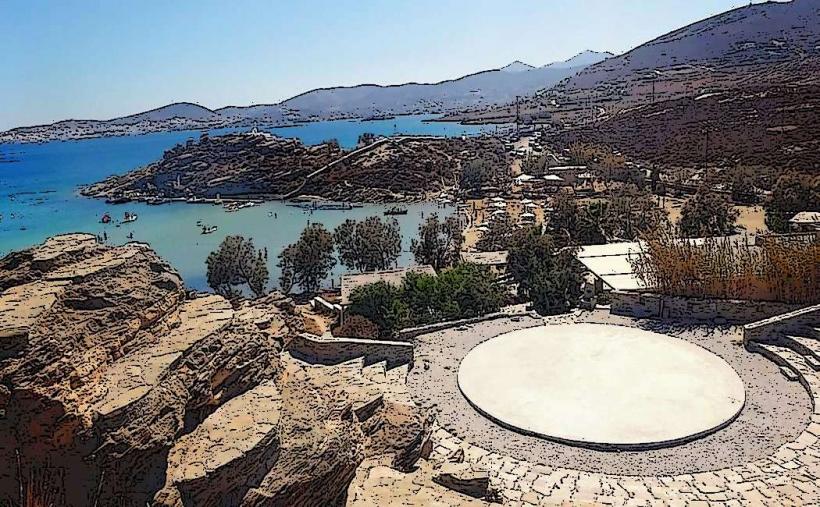
Monastiri Park: A 190-hectare protected area in the northern peninsula with rock formations, hiking trails, and an open-air theater.
Valley of the Butterflies: A lush park near Parikia where thousands of Jersey Tiger moths congregate during the summer months.
Transportation & Infrastructure (2026)
Air: Paros National Airport (PAS). A major 2025-2026 expansion has increased the runway length, allowing larger international flights and direct European connections.
Sea: The port of Parikia is the busiest ferry hub in the Aegean. High-speed and conventional ferries connect to Piraeus (3–5 hours), Mykonos (45 mins), and Santorini (2 hours).
Inter-Island: A small car ferry runs every 30 minutes from Pounta to Antiparos (7-minute crossing).
Road: A circular peripheral road connects all major coastal towns. The bus network (KTEL) is one of the most efficient in the Cyclades.
Digital: 5G is universal. The "Smart Paros" project (2026) provides real-time bus tracking and digital parking availability via a mobile app.
Safety & Environment
Wind: The Meltemi winds are particularly strong on the east coast, making Golden Beach a world-class center for windsurfing and kitesurfing.
Water: High demand during summer necessitates desalination. Tap water is not recommended for drinking.
Sustainability: Paros is part of the "Clean Blue Paros" initiative, aiming to be the first plastic-waste-free Mediterranean island.
Local Cost Index (2026)
1 Espresso (Freddo): €4.00–€6.00
1 Standard Lunch: €25.00–€45.00
1 Ferry Ticket (Piraeus-Paros): €55.00–€80.00
1 Car Rental (Daily): €45.00–€75.00
Facts & Legends
Legend says the island was named after Paros, leader of the Arcadians who settled there. A verified historical fact: The Parian Chronicle (Marmor Parium), a 3rd-century BC marble tablet found on the island, is one of the most important chronological records of Greek history, spanning from 1582 BC to 264 BC.