Information
City: PrayagrajCountry: India
Continent: Asia
Prayagraj, India, Asia
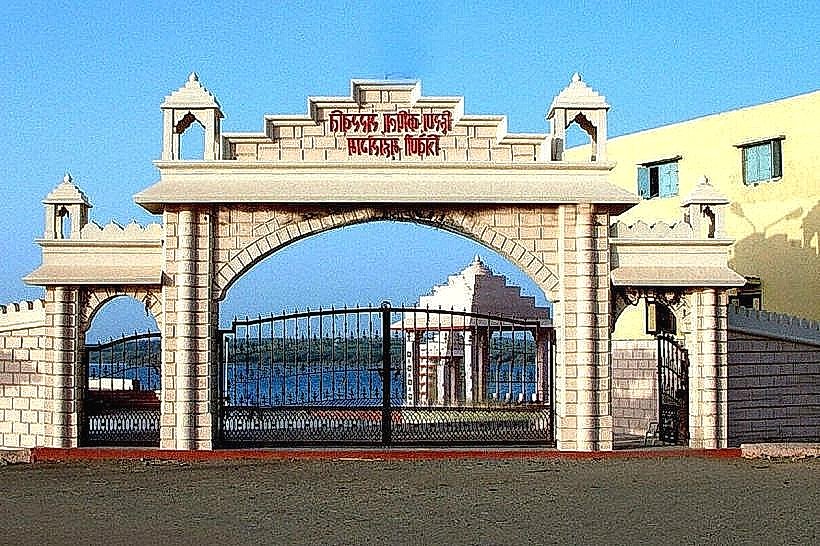
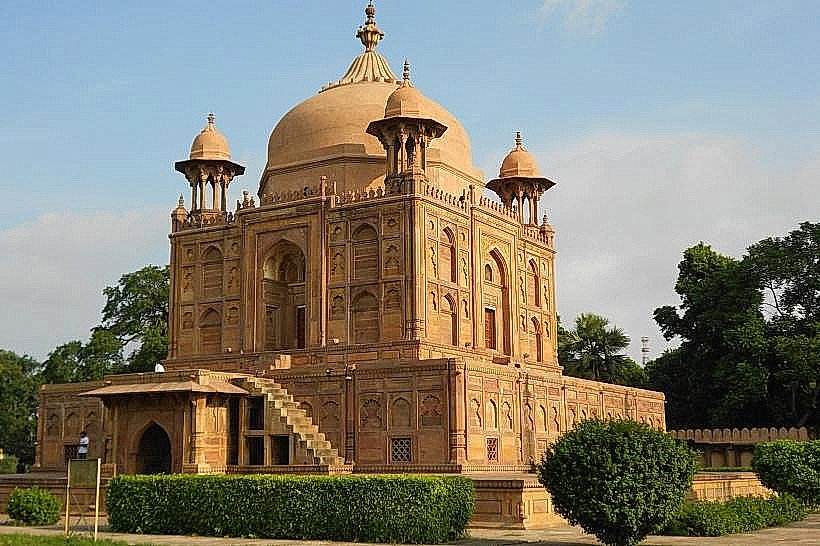
Prayagraj (formerly Allahabad) is an incorporated city in Uttar Pradesh, situated at the confluence (Sangam) of the Ganges, Yamuna, and the mythical Saraswati rivers. Defined as the "King of Holy Places" (Tirtharaj), it is the primary site of the Kumbh Mela, the largest human gathering on Earth, and serves as the judicial capital of Uttar Pradesh.
Historical Timeline
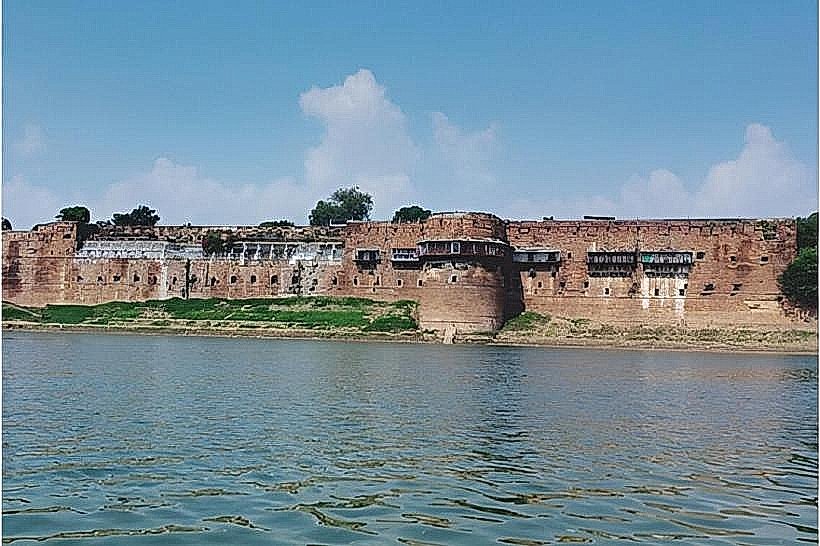
Inhabited since the Vedic period as Prayag. A critical historical event occurred in 1583 when Mughal Emperor Akbar built a massive fort and renamed the city Illahabas (later Allahabad). In 1858, the city served as the capital of India for a single day during the reading of the Queen’s Proclamation following the Sepoy Mutiny. It was the epicenter of the Indian Independence movement, serving as the headquarters of the Indian National Congress and the home of the Nehru-Gandhi dynasty. In 2018, the city was officially renamed Prayagraj. In 2026, it is preparing for the Maha Kumbh Mela 2027, undergoing massive riverfront redevelopment.
Demographics & Population
The 2026 metro population is approximately 1,680,000. The demographics are predominantly Hindu (76%) and Muslim (22%). The economy is driven by Government Administration, Judiciary (Allahabad High Court), Education, and Agriculture.
Urban Layout & Key Districts
Prayagraj is a multi-layered city divided by its riverine geography and colonial history.
The Sangam Area: A vast, sandy floodplain that transforms into a temporary "tent city" during religious festivals.
Civil Lines: The colonial-era heart; a planned district with wide avenues, high-end retail, and "Canning Town" architecture.
Chowk: The historic commercial core; a dense network of narrow lanes and traditional bazaars.
Georgetown & Ashok Nagar: Affluent, leafy residential districts housing the city’s legal and academic elite.
Top City Landmarks
Triveni Sangam: The sacred confluence where pilgrims take ritual baths to cleanse sins.
Prayagraj Fort: A massive 16th-century Mughal fortification containing the Ashoka Pillar and the Akshaya Vat (Indestructible Banyan Tree).
Anand Bhavan: The ancestral home of the Nehru family, now a museum dedicated to the independence struggle.
All Saints Cathedral: A 13th-century Gothic-style Anglican cathedral known for its stained glass and marble altar.
Alfred Park (Chandrashekhar Azad Park): The city's largest green space and the site where revolutionary leader Chandrashekhar Azad died fighting British police.
Allahabad High Court: One of the oldest and largest high courts in India, an architectural landmark of the British Raj.
Transportation Network
Movement is automotive-centric, though the city is a major rail hub. Prayagraj Junction (PRYJ) is a primary stop on the Delhi-Kolkata line. Prayagraj Airport (IXD) offers domestic links to major Indian metros. For local transit, e-rickshaws and app-based cabs are dominant. In 2026, the New Yamuna Bridge (Naini Bridge) is the city's primary architectural and transport link to the south.
Safety & "Red Zones"
General safety is high. Standard awareness is advised against pickpockets in the Chowk area and unauthorized boatmen at the Sangam. Environmental hazards include extreme summer heat (45°C+) and monsoon flooding of the low-lying "Kachhar" areas. "Red Zones" include the Sangam during high-volume festivals, where crowd-crush risks are managed by high-tech police surveillance.
Digital & Financial Infrastructure
5G connectivity is robust. UPI payments are universal. The city is a major "Smart City" project site, with a centralized integrated command center. Uttar Pradesh state taxes apply to all commercial services.
Climate & Air Quality
Temperatures range from 7°C to 24°C in winter and 30°C to 46°C in summer. Air quality is generally "Moderate," though it can reach "Poor" levels during the winter due to riverbank dust and regional haze.
Culture & Social Norms
The standard tipping percentage is 10%. A "Formal-Intellectual" greeting is standard, reflecting the city's academic pedigree. Dress codes are "Conservative"; modest clothing is required for Sangam rituals. The city is culturally defined by Literary Traditions (Hindi literature hub), Legal Brilliance, and Guava Orchards (Allahabadi Surkha).
Local Cost Index
1 Espresso: ₹140 ($1.70 USD)
1 Standard Lunch: ₹250 ($3.00 USD)
1 Boat to Sangam: ₹500–₹1,200 (negotiable).
Nearby Day Trips
Kaushambi: (60 km west; an ancient Buddhist site and ruins of a 6th-century BCE capital).
Vindhyachal: (90 km east; a major Shakti Peeth temple on the banks of the Ganges).
Chitrakoot: (130 km southwest; a major pilgrimage site associated with the Ramayana).
Facts & Legends
Prayagraj is the only city in India that has produced seven of the country’s Prime Ministers. Historically, the Akshaya Vat tree within the fort was once a site where pilgrims committed ritual suicide to achieve salvation. A local legend claims that a drop of Amrit (nectar of immortality) fell at the Sangam during a battle between gods and demons, which is why the Kumbh Mela is held here. Another legend concerns the underground Saraswati River, which is said to emerge from the earth specifically at the point of the confluence.