Information
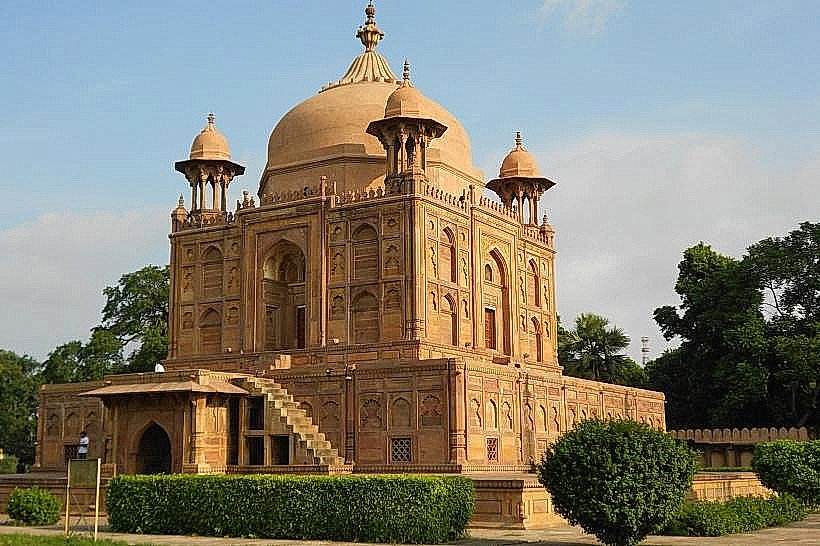
Landmark: Allahabad FortCity: Prayagraj
Country: India
Continent: Asia
Allahabad Fort, Prayagraj, India, Asia
The Bennington Center for the Arts is an exhibition and performance venue located in Bennington, Vermont.
It houses galleries, a theater, and studios dedicated to visual and performing arts.
Visual Characteristics
The building is constructed primarily of brick and wood. Its exterior features a muted color palette, with a prominent pitched roof. The architectural style incorporates elements of traditional New England design with modern functional spaces. The interior gallery spaces are designed with neutral walls and controlled lighting to showcase artwork.
Location & Access Logistics
The Bennington Center for the Arts is situated at 44 Elm Street, Bennington, VT 05201. It is approximately 1.5 kilometers (0.9 miles) west of the Bennington town center. On-site parking is available in a dedicated lot adjacent to the building. Public transport options are limited; the Green Mountain Transit bus route 2 (Bennington-Manchester) stops within walking distance of the venue.
Historical & Ecological Origin
The Bennington Center for the Arts was established in 1994. It was conceived as a multidisciplinary arts facility to serve the southwestern Vermont region. The building itself was renovated from a former industrial structure, adapting its existing framework for artistic use.
Key Highlights & Activities
Exhibitions of painting, sculpture, and photography are regularly displayed in the galleries. The Helen M. Eddy Theater hosts live performances, including plays, concerts, and dance recitals. Studio spaces are available for workshops and classes in various artistic disciplines. The center also features a gift shop selling local art and crafts.
Infrastructure & Amenities
Restrooms are available on-site. Limited shaded areas are present in the immediate vicinity of the building. Cell phone signal (4G/5G) is generally reliable within the building and surrounding parking area. Food vendors are not present on-site, but several restaurants and cafes are located within a 1-kilometer radius in the town center.
Best Time to Visit
For optimal viewing of artwork, visit during daytime hours when natural light can supplement gallery lighting. The best months for visiting are typically May through October, offering pleasant weather for travel. Specific exhibition dates and performance schedules should be checked on the venue's official website.
Facts & Legends
The center actively promotes emerging artists from Vermont and the surrounding states, providing a platform for regional talent. A unique aspect is the integration of artist studios within the facility, allowing visitors to observe creative processes in action.
Nearby Landmarks
- Bennington Museum (0.8km East)
- Old First Church (1.1km East)
- Bennington Battle Monument (1.3km East)
- Robert Frost Stone House Museum (4.5km Southwest)