Information
City: QuelimaneCountry: Mozambique
Continent: Africa
Quelimane, Mozambique, Africa
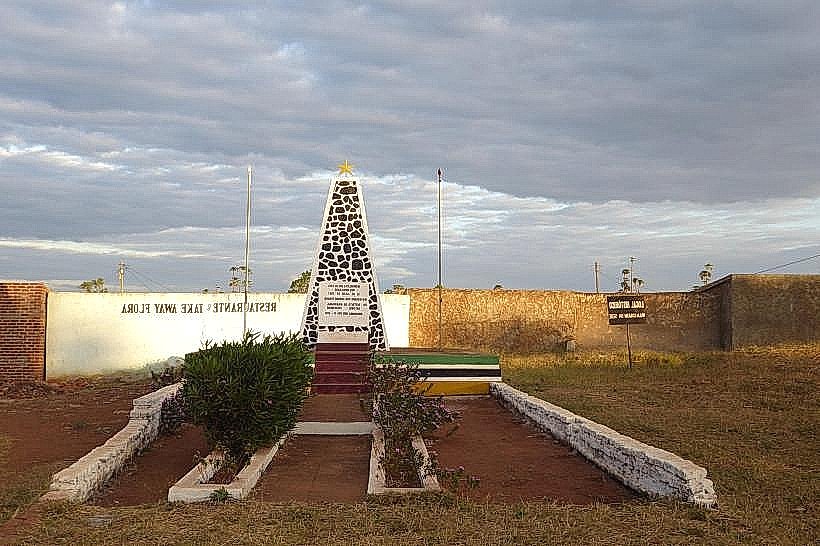
Quelimane is the capital of Zambezia Province and a major river port in central Mozambique. Located on the Bons Sinais River, approximately 20 km from the Indian Ocean, it is the center of the nation’s coconut and palm oil industries.
Historical Timeline
Quelimane is one of the oldest settlements in the region, established as a Swahili trading post long before the Portuguese arrival in 1498. Vasco da Gama named the river "Bons Sinais" (Good Signs) because it was here he found the first evidence of reaching the Indian Ocean trade networks. It became a major center for the ivory and slave trades in the 18th and 19th centuries. In 1856, David Livingstone used Quelimane as his departure point after his transcontinental journey. It was elevated to city status in 1942.
Demographics & Population
The 2026 population is estimated at 490,000. The dominant ethnic group is the Chuabo. Portuguese is the official language, but Echuabo is the primary language spoken in the streets and markets. The city has a notable heritage of Luso-Indian (Goan) and Macanese influence due to centuries of colonial administrative links.
Urban Layout & Key Districts
The city is built on low-lying, swampy terrain and is known for its high concentration of coconut palms within the urban area.
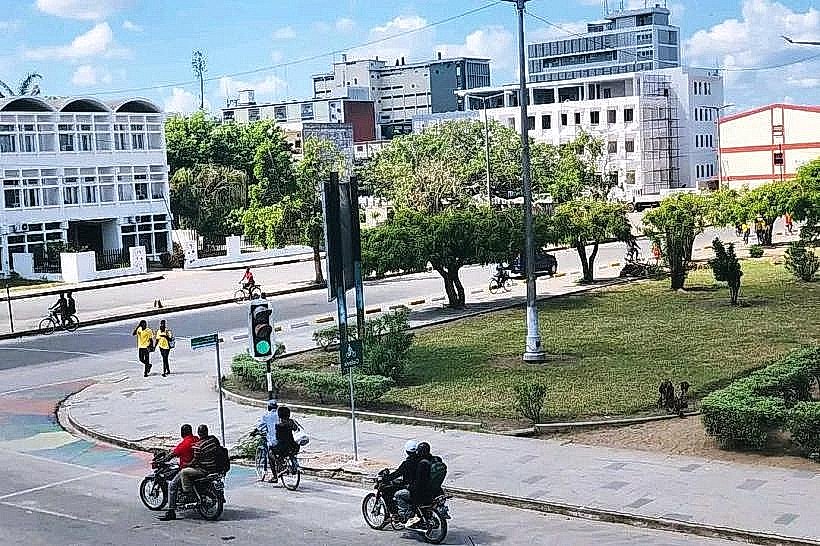
The Center: Features colonial-era administrative buildings and wide, often crumbling, avenues.
The Port: The industrial and logistical zone along the riverbank.
Ponta de Gêua: A coastal residential area.
Coalane: A large, high-density residential neighborhood.
Top City Landmarks
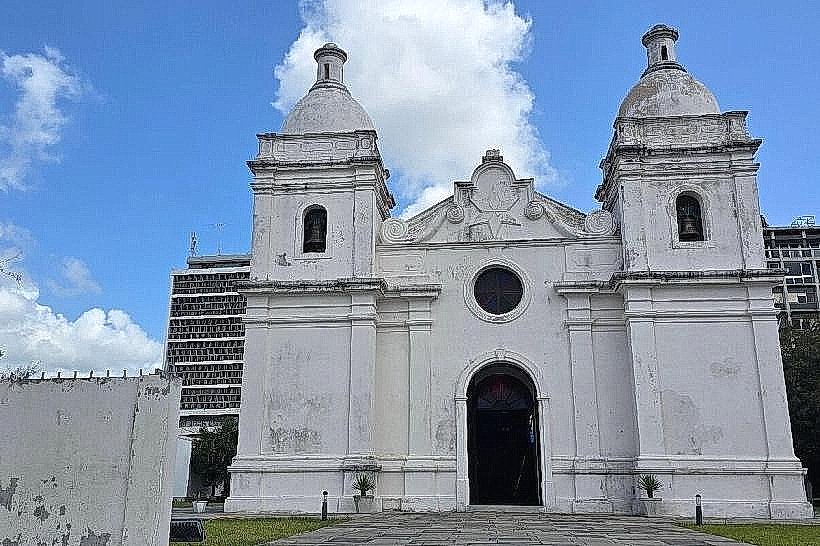
Quelimane Cathedral (Nossa Senhora do Livramento): An 18th-century church that remains the city's most prominent landmark.
The Old Mosque: Reflects the city's pre-colonial Swahili and Islamic history.
David Livingstone Statue: Commemorating the explorer's arrival and departure from the city.
Zambezia Provincial Museum: Showcases the history of the "Prazos" (large feudal estates) and regional Chuabo culture.
Coconut Plantations: The vast groves surrounding the city are among the largest in the world.
Transportation Network
Bicycle Taxis: Quelimane is famously known as the "City of Bicycles." Thousands of bicycle taxis are the primary mode of transit.
Roads: The city is connected to the EN1 highway via the EN10, though road conditions in Zambezia can be challenging during the rainy season.
Maritime: The port handles exports of copra (dried coconut), timber, and fish.
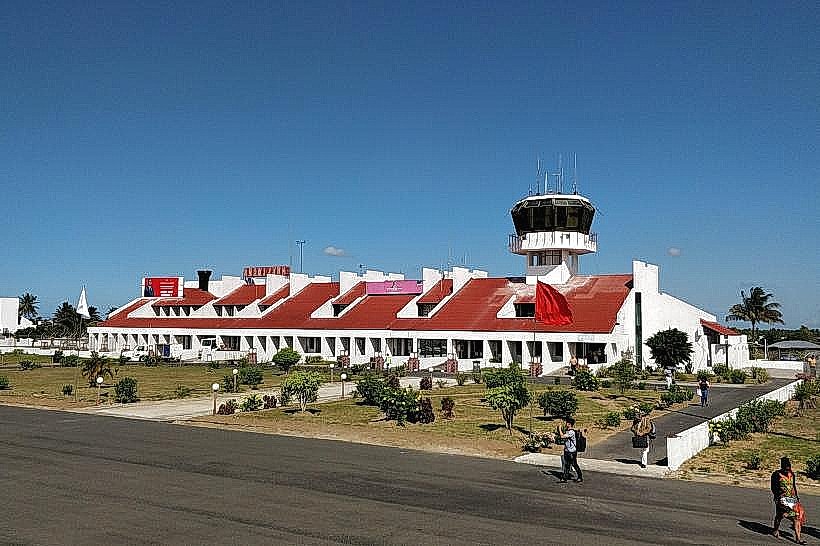
Aviation: Quelimane Airport (UEL) provides domestic flights to Maputo, Beira, and Nampula.
Safety & "Red Zones"
Current Status: Exercise Normal Precautions. Quelimane is generally quieter and safer than Maputo or Beira. Petty theft occurs in the markets. The city is highly susceptible to flooding during the monsoon season (December–March). Avoid walking near the riverbanks or isolated port areas alone at night.
Digital & Financial Infrastructure
Internet: 4G is available via Vodacom and Movitel, though speeds are generally lower than in Maputo (10–20 Mbps).
Banking: The currency is the Metical (MZN). Several banks and ATMs are located in the central district.
Payments: Cash is the primary medium; mobile money (M-Pesa) is used for most local transactions.
Climate & Air Quality
The climate is tropical monsoon. It is extremely hot and humid year-round. Temperatures range from 18°C to 34°C. Air quality is Excellent due to the absence of heavy industry and the abundance of palm trees.
Culture & Social Norms
The city has a distinct "Zambezian" identity. Tipping is appreciated but not mandatory. The local cuisine is famous for Galinha à Zambeziana (chicken prepared with coconut milk and lime). Conservative attire is standard in public offices.
Local Cost Index
1 Espresso: USD 1.10 (70 MZN)
1 Standard Lunch: USD 6.00 (385 MZN)
1 Bicycle Taxi Trip: USD 0.40 (25 MZN)
Nearby Day Trips
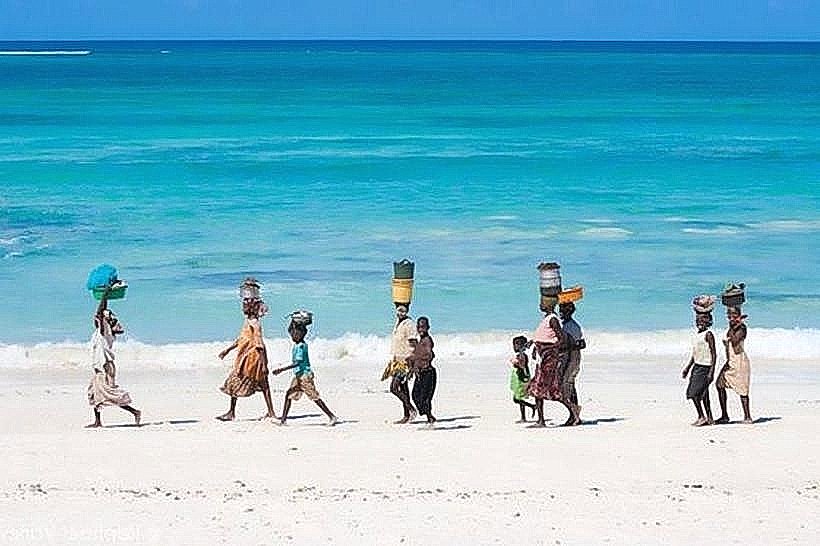
Zalala Beach (30 km): A vast, white-sand beach known for its seafood and casuarina trees.
Madal and Boror Estates: Historically some of the largest coconut plantations in the world.
Facts & Legends
Quelimane is often cited as the bicycle capital of the world per capita. A local legend says the coconut palms of Zambezia weep if they are cut down without a ceremony, as they are believed to house the spirits of ancestors. Historically, the city’s name is thought to be a Portuguese corruption of the Swahili word "Kilimani," meaning "on the hill," despite the city being remarkably flat.