Information
Country: MozambiqueContinent: Africa
Mozambique, Africa
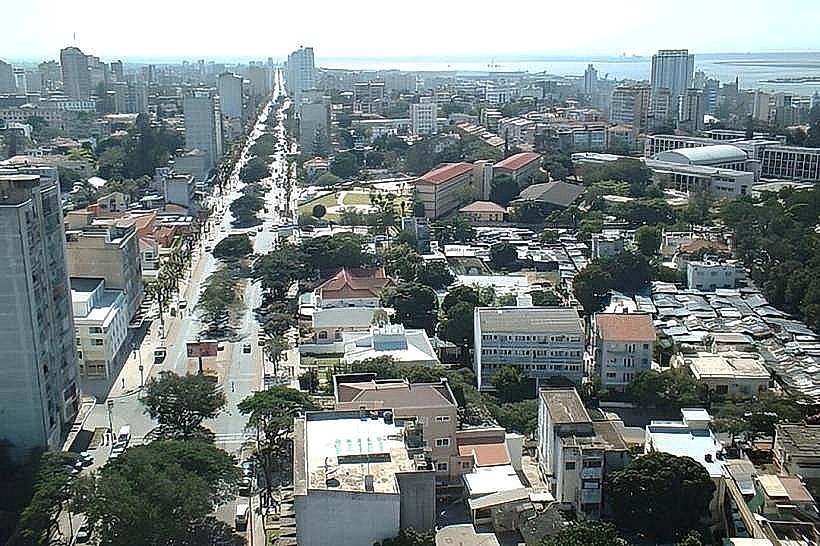
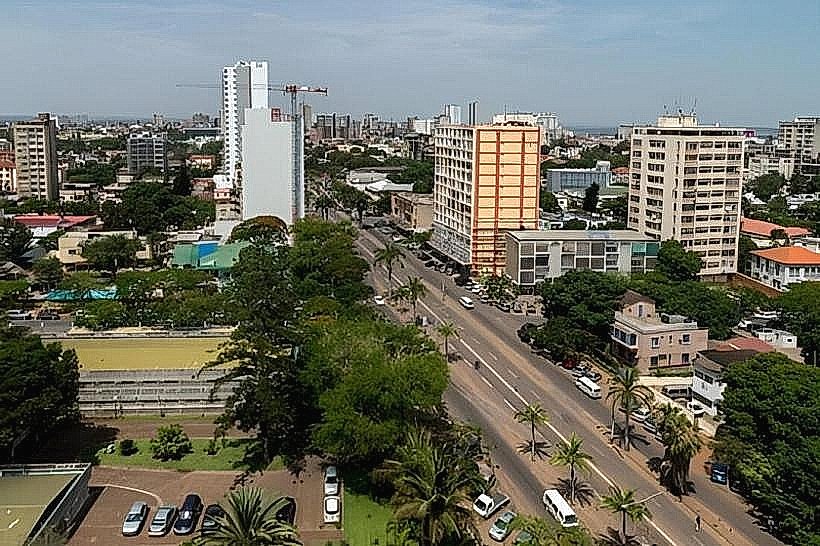
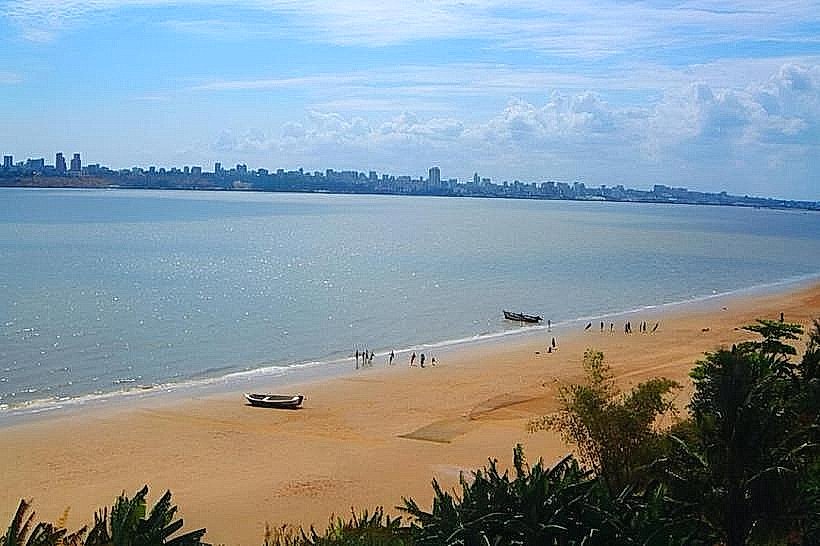
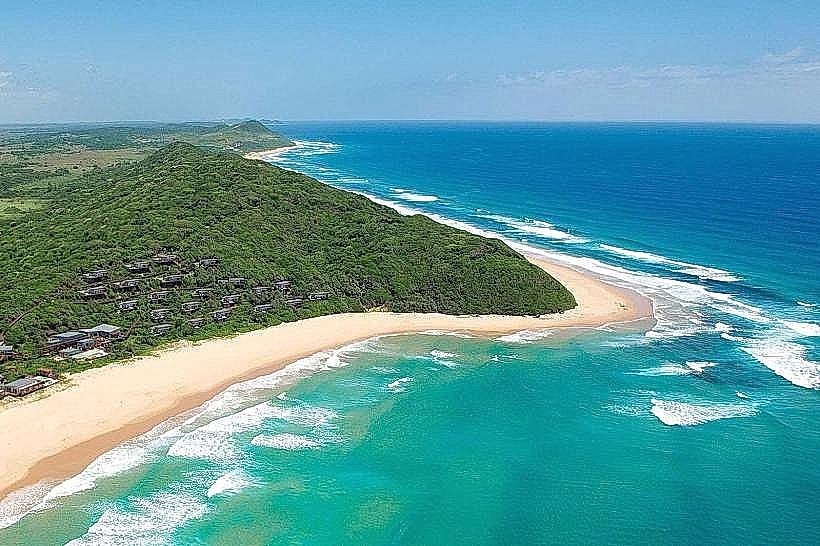
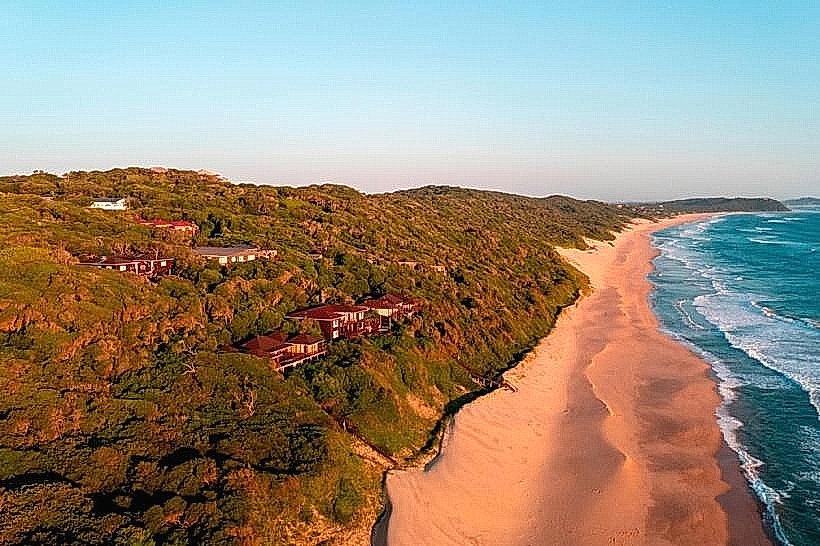
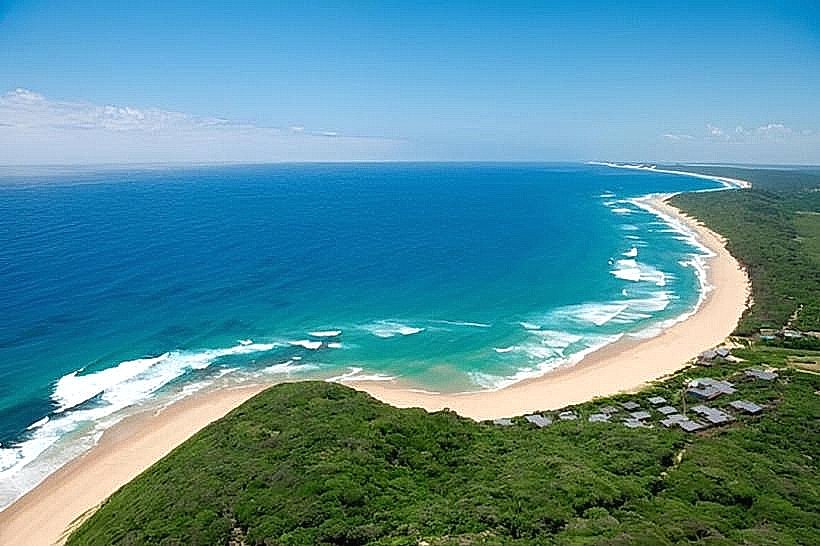
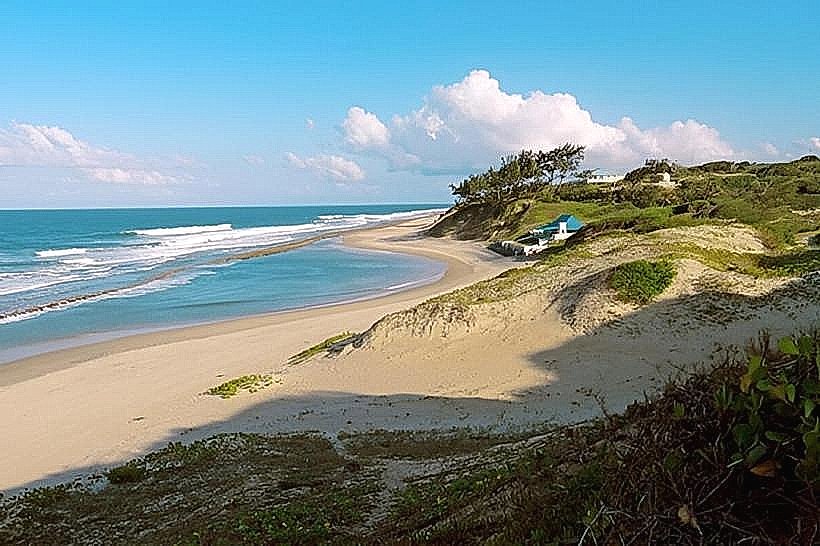
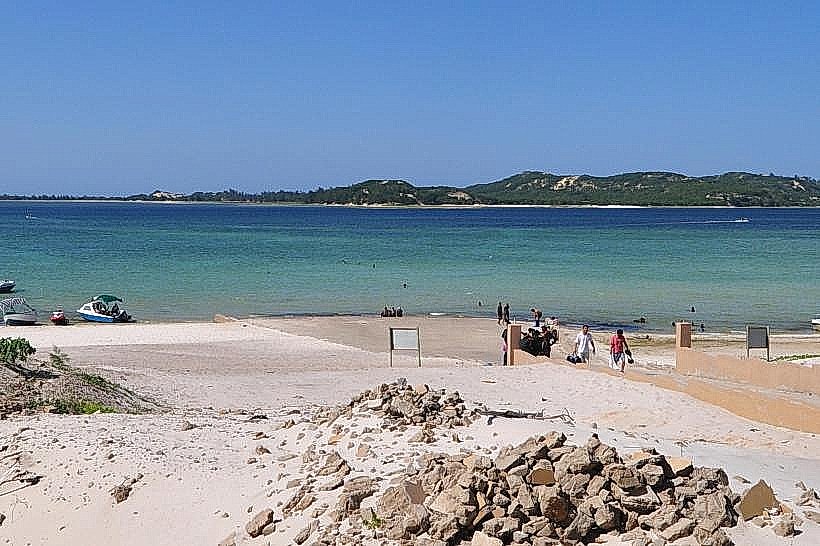
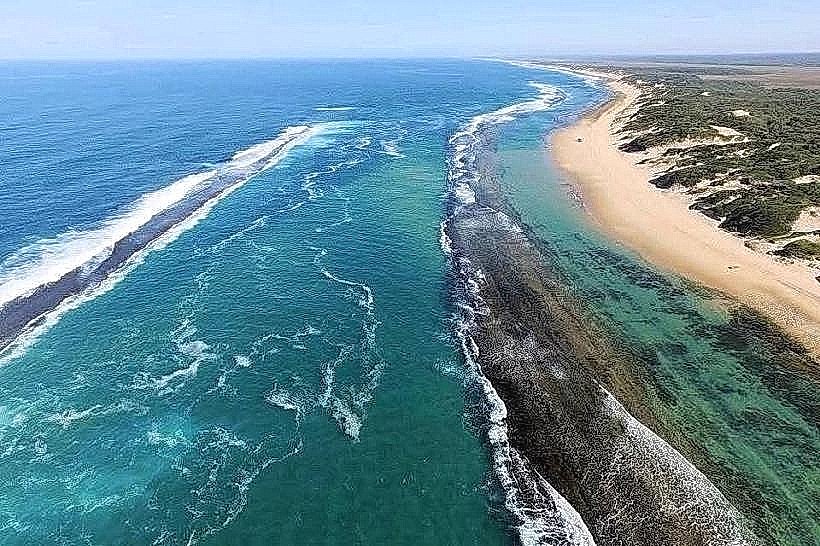
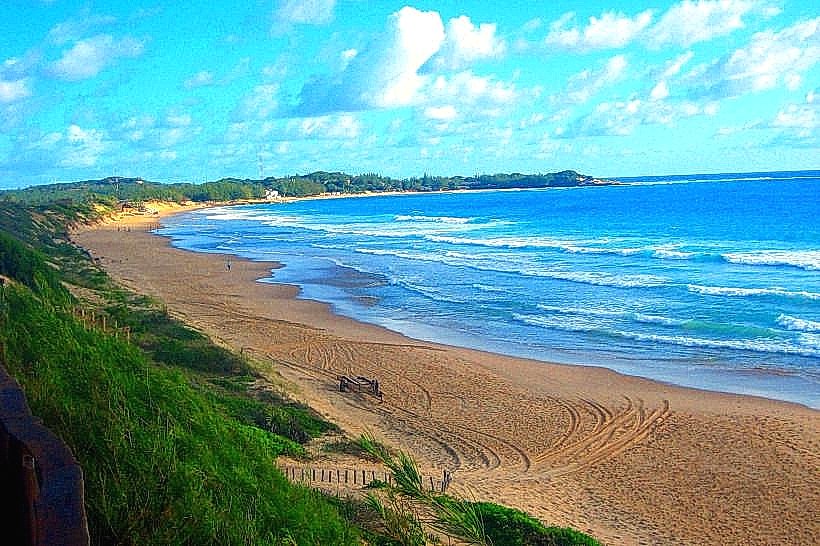
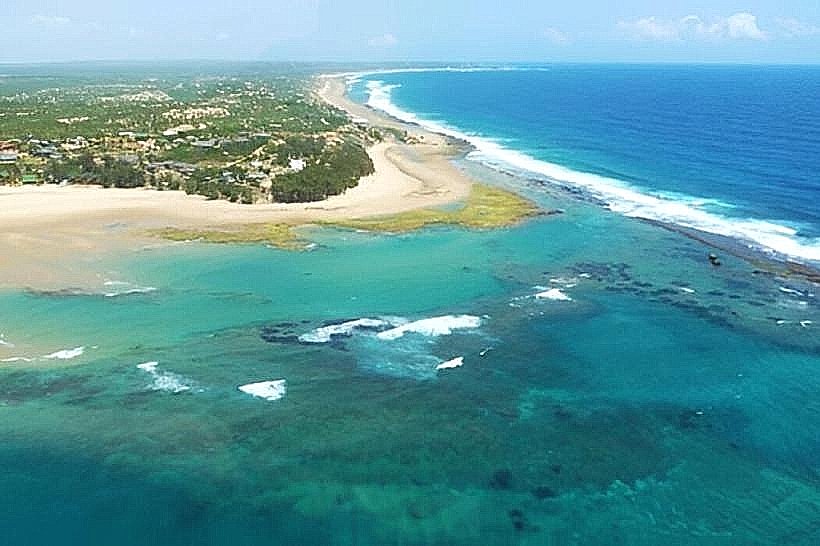
Mozambique is located on the southeastern coast of Africa, bordered by South Africa and Eswatini to the south, Zimbabwe to the west, Zambia and Malawi to the northwest, and Tanzania to the north. It is defined by its 2,470 km coastline along the Indian Ocean and a significant natural gas industry, with Maputo serving as the capital city.
History & Culture
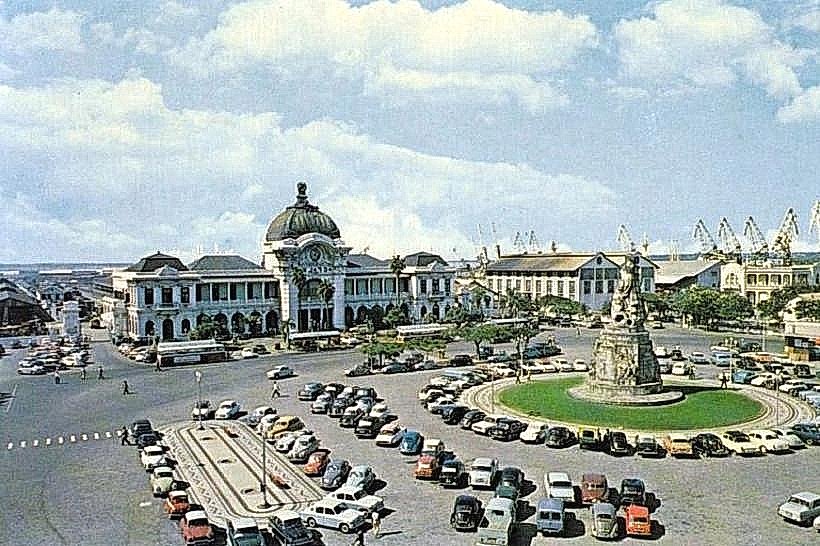
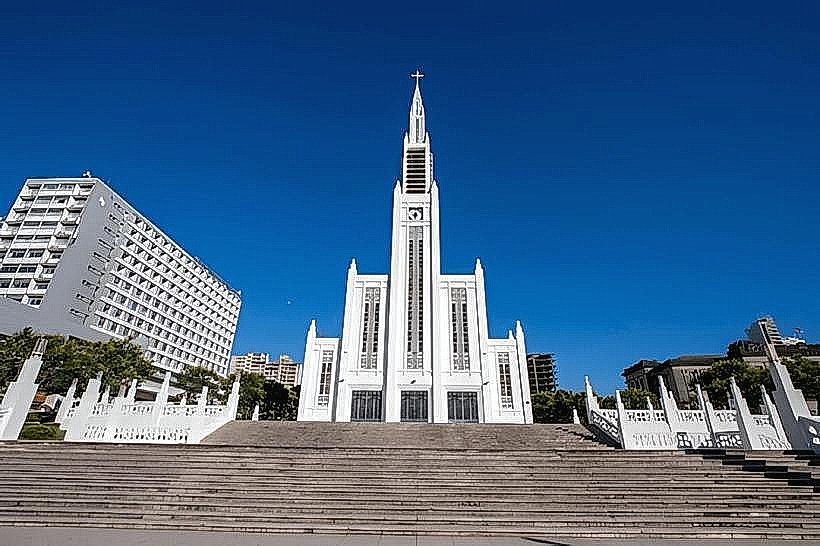
Mozambique gained independence from Portugal on June 25, 1975. Major political eras include the Portuguese colonial period (1505–1975), the Marxist-Leninist one-party state (1975–1990), and the 16-year civil war (1977–1992) followed by a transition to a multi-party democracy. Primary religious affiliations are Christianity (59.8%, predominantly Roman Catholic) and Islam (18.9%). The most significant national holiday is Independence Day (June 25). Social etiquette emphasizes formal greetings, indirect communication to maintain social harmony, and conservative attire in rural and religious areas.
Language & Communication
The official language is Portuguese. English proficiency is Medium in Maputo and major tourist hubs like Vilankulo but Low in rural provinces. Dominant local Bantu languages include Makhuwa (north), Sena (central), and Tsonga (south).
Population & Economy
The population is approximately 36.8 million, with 63% residing in rural areas. Top export commodities are aluminum, coal, and natural gas. GDP per capita is approximately $720 USD. The economy is driven by the extractive industry and agriculture, which employs over 70% of the labor force.
Visa & Entry Policy
Citizens of the US, UK, and EU are eligible for a 30-day tourist visa. Mozambique utilizes an E-Visa system (evisa.gov.mz) for pre-approval, which is the standard procedure. Visa on Arrival remains an option for some nationalities but E-Visa is preferred for efficiency. Proof of accommodation and return flights are mandatory. Entry is strictly denied if previous unauthorized travel to restricted conflict zones in Cabo Delgado is detected.
Currency & Payment Systems
The currency is the Mozambican Metical (MZN). Cash is essential outside of Maputo and major resorts. In the capital, South African Rand (ZAR) and US Dollars (USD) are often accepted in tourism-related businesses. Card transactions and tap-to-pay are common in Maputo malls and high-end hotels. ATMs are available in provincial capitals but often lack reliability or international connectivity in rural districts.
National Transport Grid
Inter-city travel relies on private bus companies (Nagi Investments, Intercape) and "chapas" (minibuses). The national airline, LAM (Linhas Aéreas de Moçambique), connects Maputo to regional hubs like Beira, Nampula, and Pemba. The rail network, operated by CFM, primarily serves freight but provides limited passenger services on the Goba, Ressano Garcia, and Limpopo lines.
Digital Infrastructure
Primary mobile network providers are Vodacom Mozambique, Movitel, and Tmcel. 4G coverage is consistent in urban centers; 5G deployment is active in Maputo and Matola as of 2026. Starlink provides satellite internet coverage for remote lodges and offshore operations.
Climate & Seasonality
The climate is tropical to subtropical. The wet season (hot/humid) runs from November to March, coinciding with the cyclone season in the Indian Ocean. The dry season (cool/mild) lasts from April to October and is the optimal period for travel.
Health & Safety
Yellow Fever vaccination is mandatory if arriving from an endemic country. Malaria is a high risk nationwide; prophylaxis is recommended. Water-borne diseases (Cholera) are a recurring risk following flooding. The universal emergency number is 112 (Police: 119; Ambulance: 117).
Top 3 Major Regions & Cities
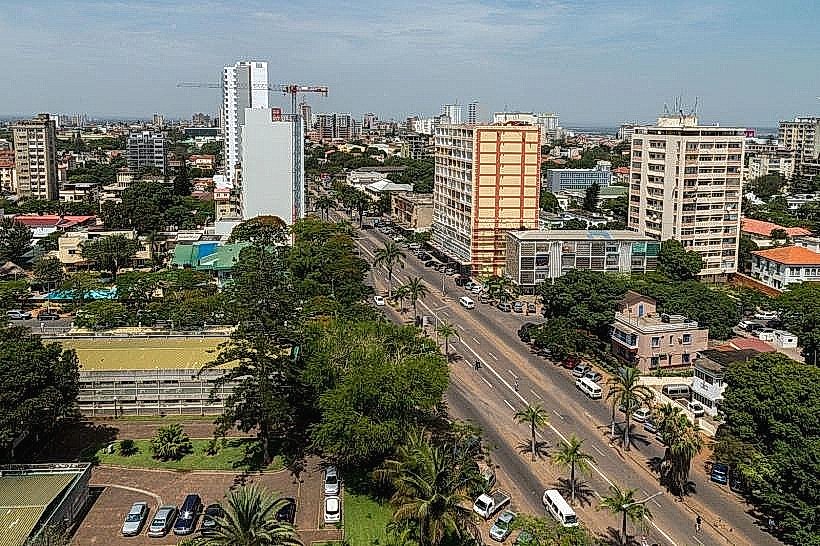
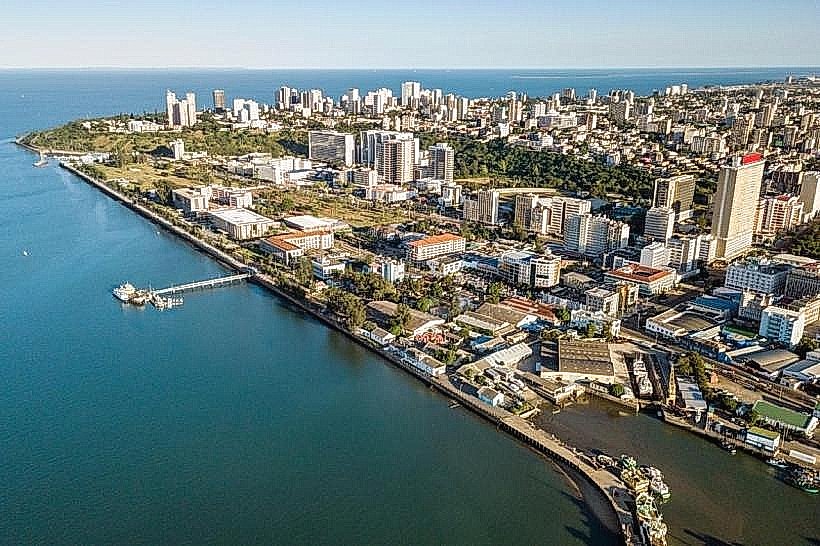
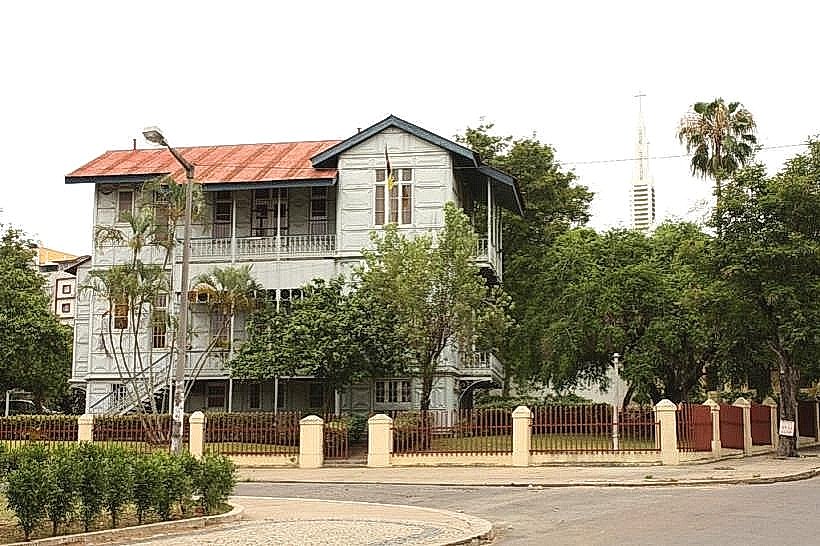
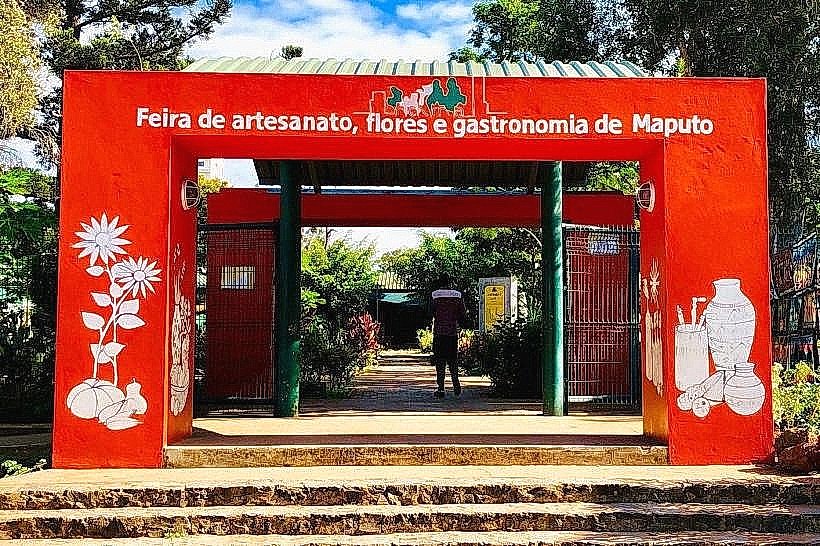
Southern Coast & Capital: Hub: Maputo.
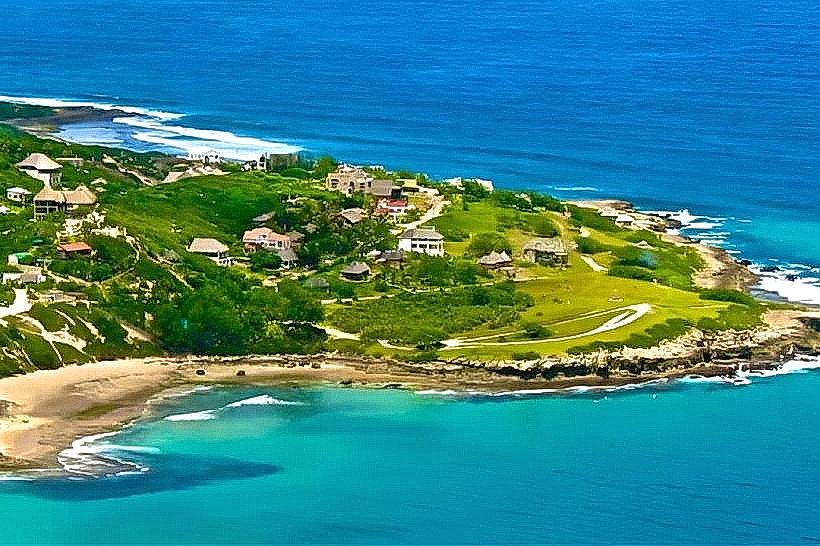
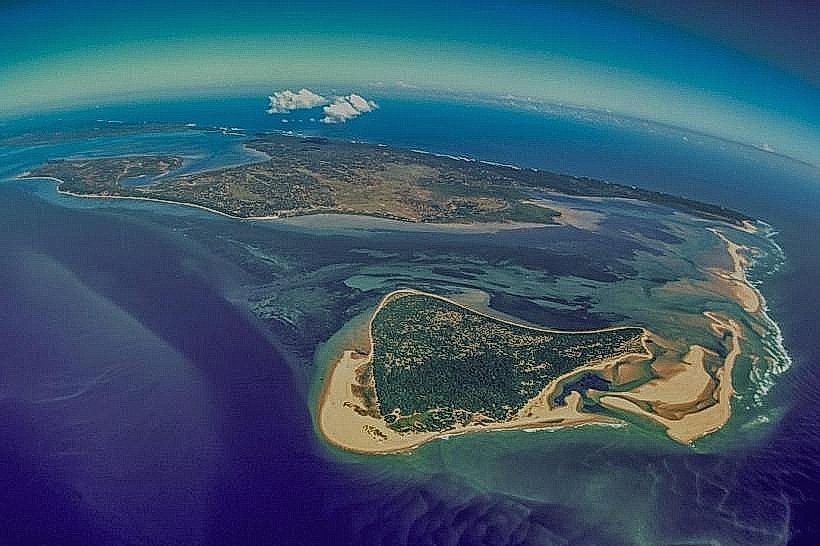
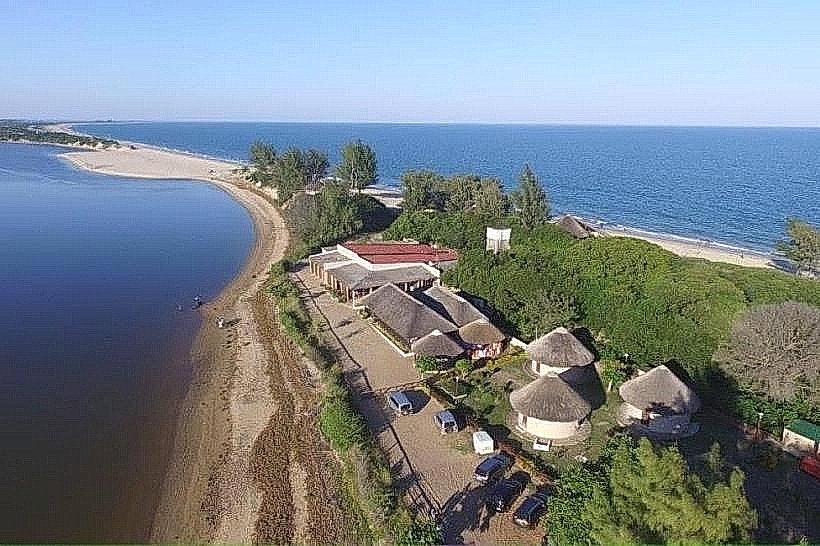
Bazaruto Archipelago & Inhambane: Hub: Vilankulo.
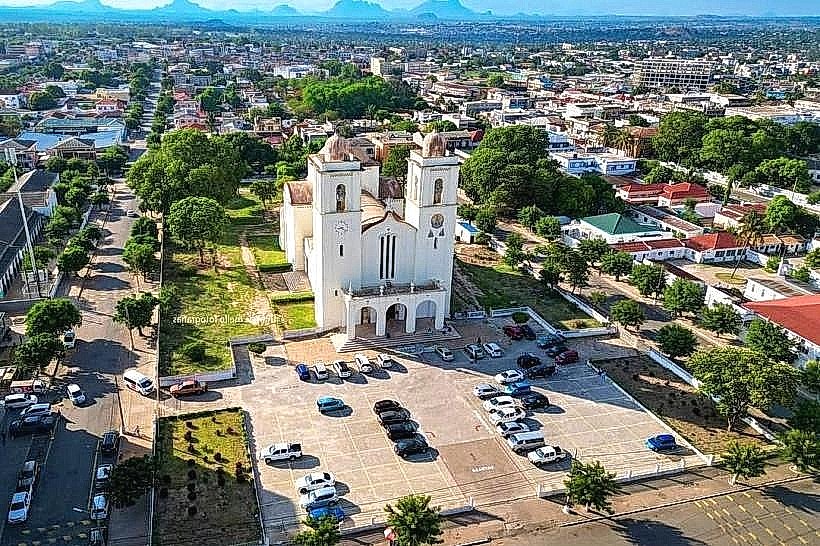
Northern Corridor: Hub: Nampula.
Local Cost Index
1L Water: 65 MZN ($1.02 USD)
1 Domestic Beer (0.5L): 100 MZN ($1.56 USD)
1 Sim Card (10GB Data Plan): 1,000 MZN ($15.65 USD)
Facts & Legends
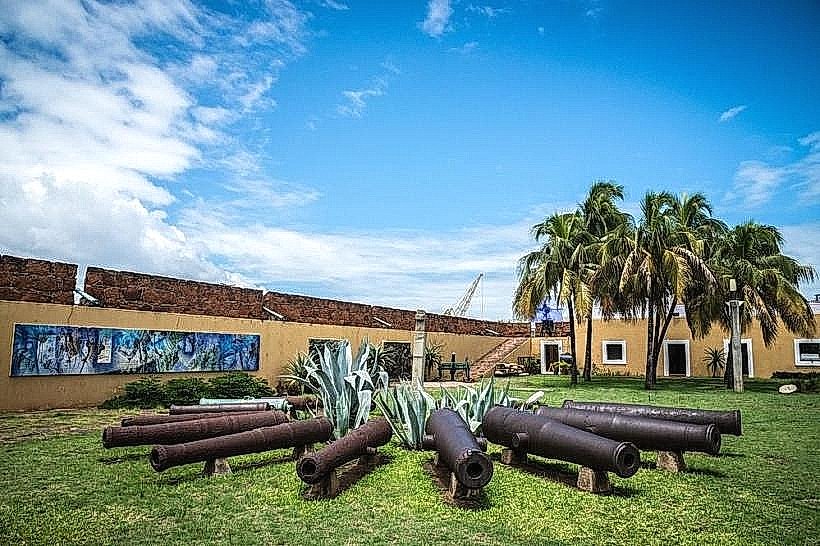
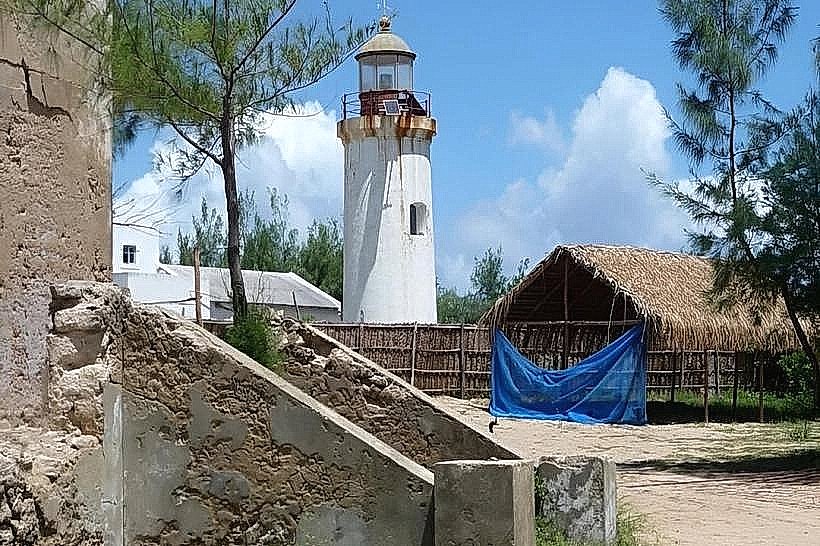
The Island of Mozambique (Ilha de Moçambique), a former capital, served as a major Portuguese trading post for nearly 400 years and is home to the Chapel of Nossa Senhora de Baluarte (1522), the oldest European building in the Southern Hemisphere. Local legend in the northern coastal regions speaks of the "Mami Wata," a powerful water spirit or mermaid believed to guard the treasures of the Indian Ocean and influence the success of the dhow fishing fleets.