Information
Landmark: Maputo Natural History MuseumCity: Maputo
Country: Mozambique
Continent: Africa
Maputo Natural History Museum, Maputo, Mozambique, Africa
The Maputo Natural History Museum (Museu de História Natural de Maputo) is one of the city’s most distinctive cultural institutions, known as much for its architecture as for its collections. Situated in the Polana area, it offers a thoughtful introduction to Mozambique’s natural world while preserving the atmosphere of an early 20th-century scientific museum.
Origins and Historical Role
The museum was established in 1913 during the colonial period, originally intended to support scientific study and public education in zoology and anthropology. It reflected the era’s fascination with cataloging nature and understanding tropical environments through European academic frameworks. Over time, the museum transitioned from a colonial research space into a national institution, recontextualizing its collections within Mozambique’s own environmental and cultural narrative.
Architectural Identity
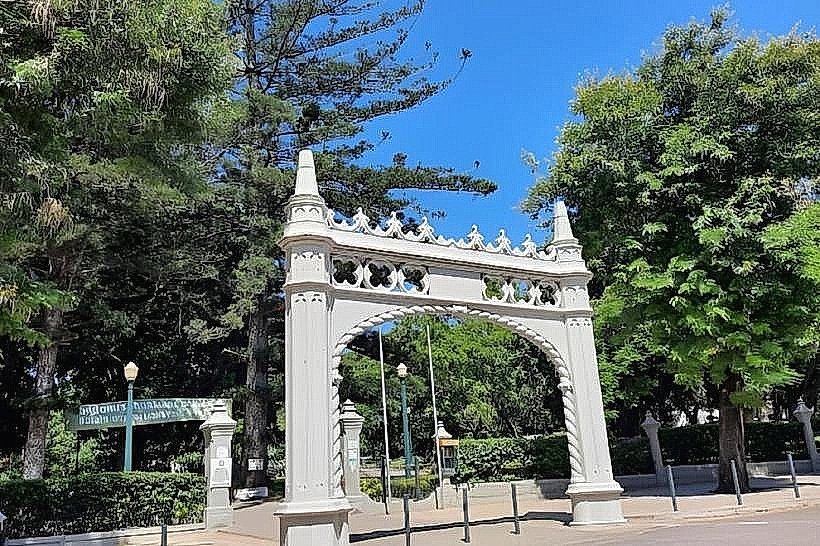
The building itself is one of the museum’s defining features. Designed in an eclectic neo-Manueline style, it draws inspiration from late Portuguese Gothic architecture. The façade is richly detailed, with carved stonework, pointed arches, decorative columns, and sculptural motifs that stand out sharply from surrounding modern structures.
Its compact scale and elaborate detailing give it a slightly fairy-tale quality, making it feel more like a historic monument than a conventional museum. The exterior alone often draws visitors to pause and study the craftsmanship before entering.
Collections and Exhibits
Inside, the museum houses collections focused primarily on Mozambique’s fauna. Displays include preserved mammals, birds, reptiles, and insects, many of them species native to the country’s diverse ecosystems. One of the most striking elements is the set of elephant fetus specimens, historically collected to study mammalian development. While confronting, these displays are also among the museum’s most scientifically significant.
Other exhibits present taxidermy animals arranged in diorama-like settings, offering glimpses into savannah, forest, and coastal environments. The presentation retains an old-world museum feel, with glass cases, labeled specimens, and a sense of quiet seriousness.
Interior Atmosphere
The interior spaces are modest and intimate. Narrow galleries, wooden display cases, and subdued lighting create an atmosphere that feels closer to a historical archive than a modern interactive museum. Floors creak slightly underfoot, and the silence encourages slow, attentive viewing. This restrained setting reinforces the educational focus, inviting reflection rather than spectacle.
Educational and Cultural Value
The Maputo Natural History Museum plays an important role in environmental awareness and biological education. School groups frequently visit, using the exhibits to connect classroom learning with tangible examples of Mozambique’s wildlife. The museum also serves as a reminder of the country’s extraordinary ecological diversity, from inland savannahs to coastal and marine habitats.
Visitor Experience
Visiting the museum feels like stepping into another era. Time seems to slow, and the emphasis is on observation and curiosity rather than multimedia engagement. For many visitors, the experience is as much about the building and atmosphere as it is about the collections themselves.
The Maputo Natural History Museum may be small in scale, but it leaves a lasting impression through its distinctive architecture, historical depth, and quiet dedication to understanding and preserving Mozambique’s natural heritage.