Information
Landmark: Inhaca IslandCity: Maputo
Country: Mozambique
Continent: Africa
Inhaca Island, Maputo, Mozambique, Africa
Inhaca Island is a small yet remarkably rich island lying at the entrance of Maputo Bay, forming a natural gateway between the Indian Ocean and the capital. Though close to Maputo geographically, it feels worlds apart in pace and atmosphere, shaped by marine ecosystems, village life, and a long tradition of scientific study.
Geographic Setting and Natural Character
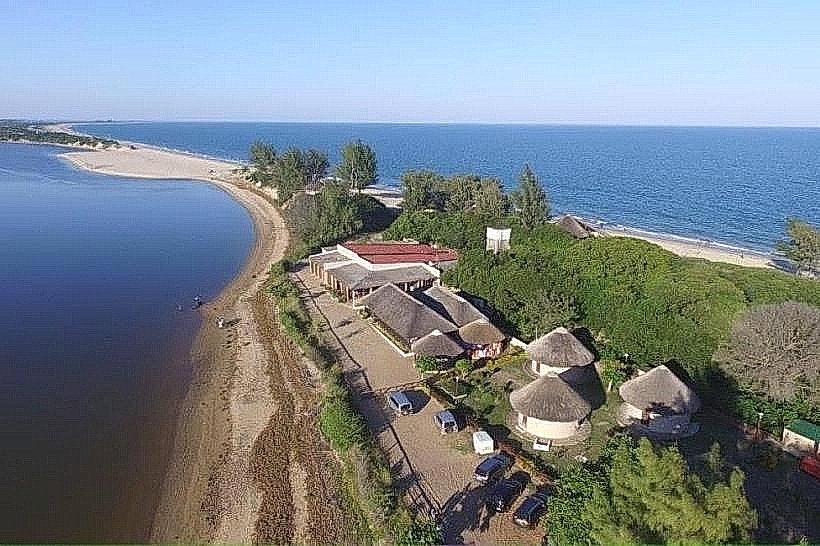
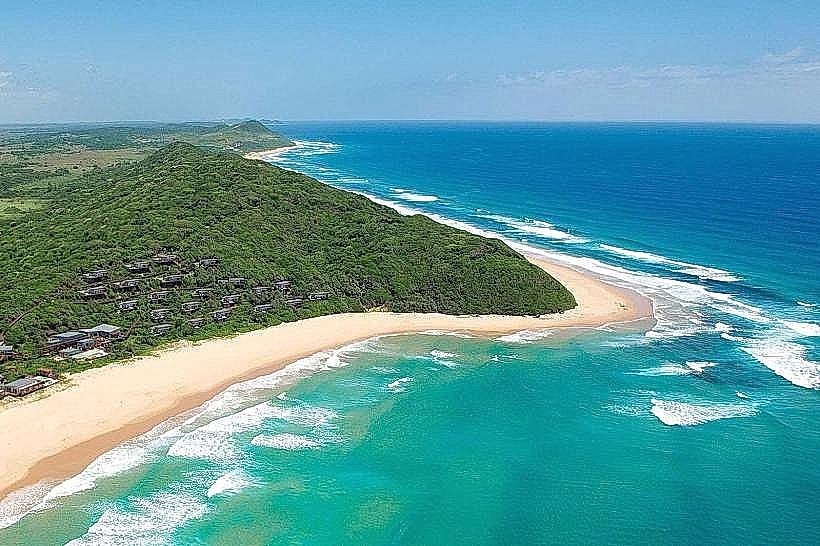
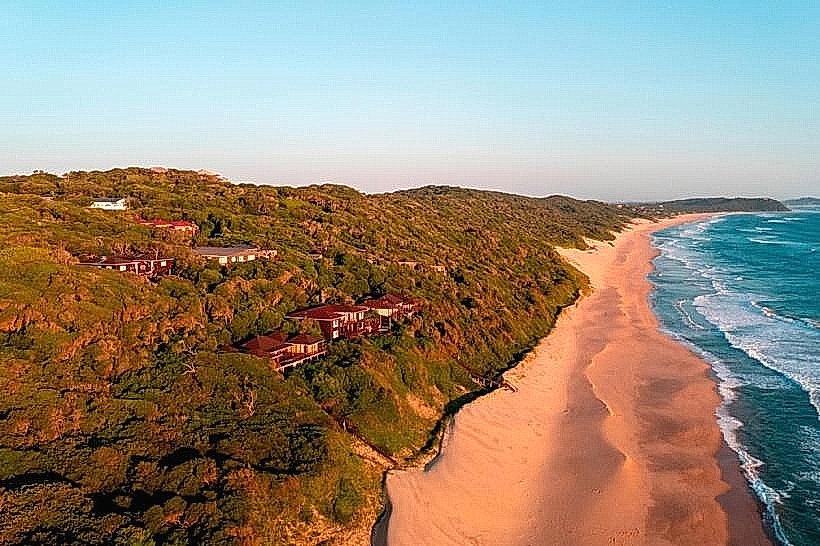
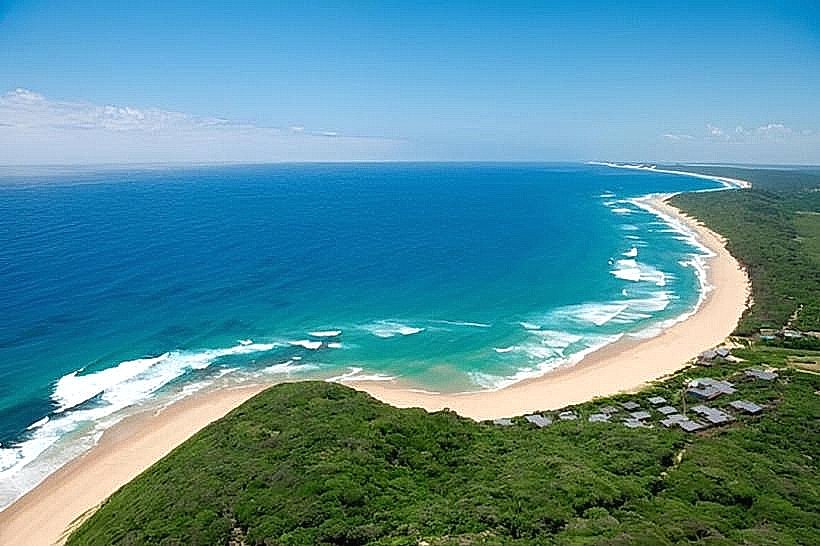
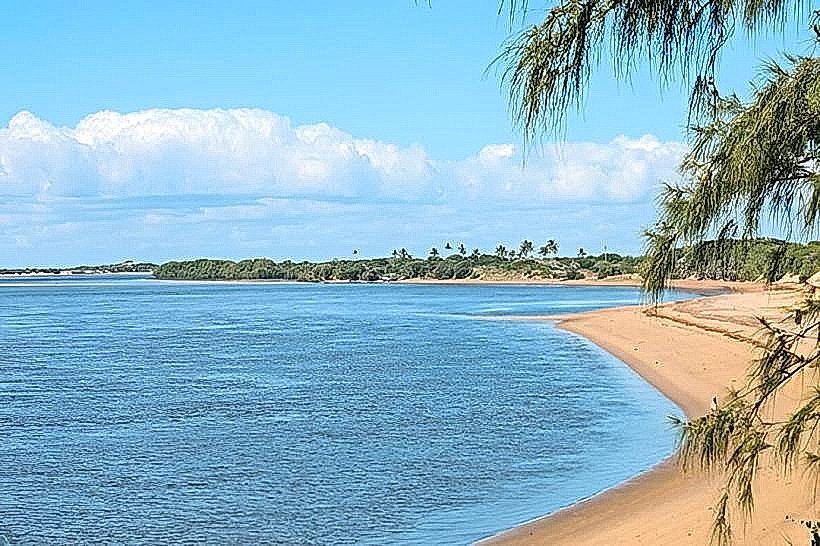
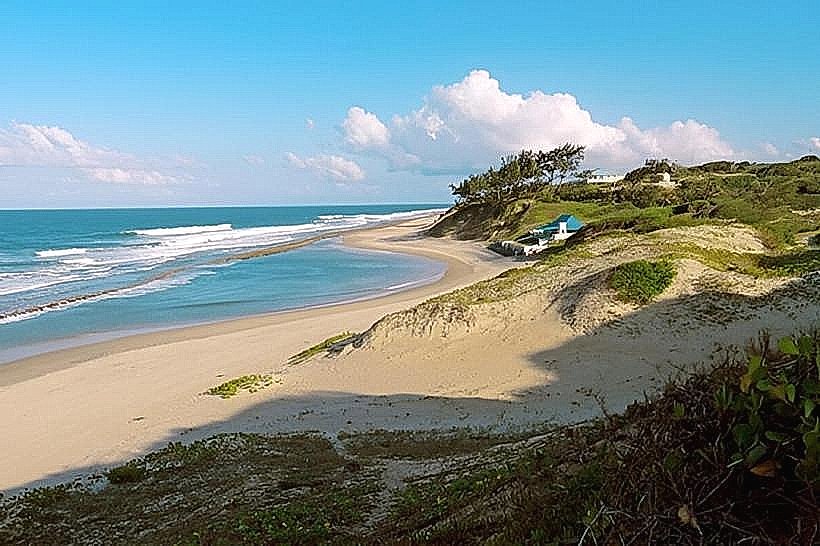
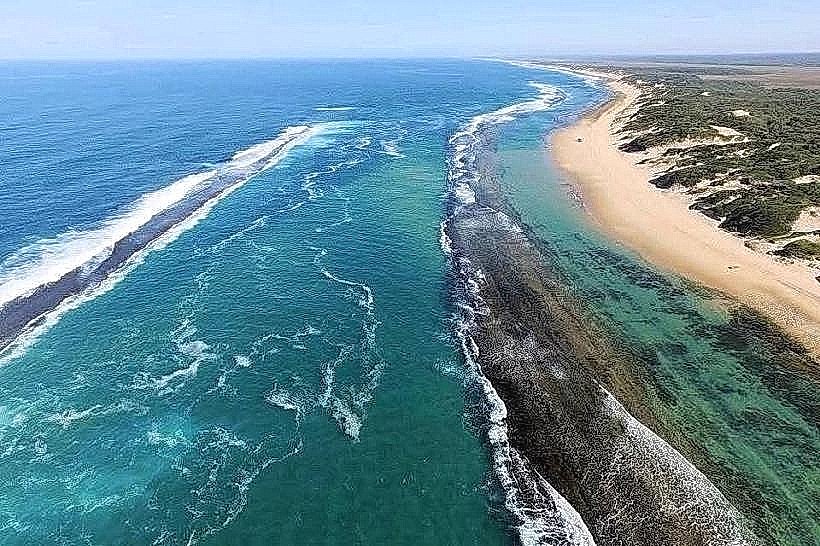
Inhaca Island is characterized by a diverse coastal landscape compressed into a relatively small area. On one side, calm bay waters create shallow lagoons, mangroves, and tidal flats. On the other, the island faces the open Indian Ocean, where stronger waves shape sandy beaches and coral formations. This contrast gives the island an unusually varied natural profile, with shifting colors of water, exposed reefs at low tide, and broad beaches that feel open and quiet.
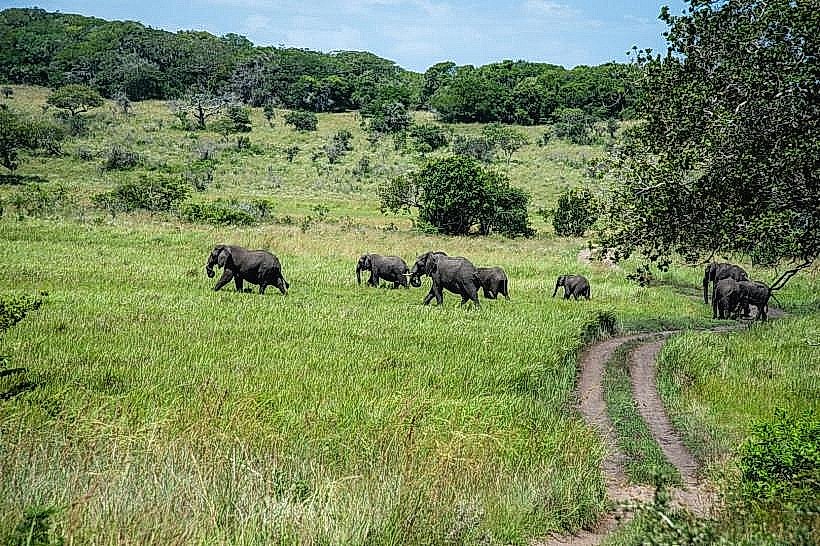
The interior is dotted with coastal forest, scrub vegetation, and sandy paths linking small settlements, giving the island a gently untamed feel.
Marine Life and Ecological Importance
The waters around Inhaca are among the most biologically diverse in southern Mozambique. Coral reefs, seagrass meadows, and mangroves support fish, crustaceans, sea turtles, and seasonal marine visitors. At low tide, tidal pools reveal starfish, sea urchins, and small reef fish, while dolphins are sometimes spotted offshore.
Because of this diversity, the island has long attracted marine scientists and researchers, and parts of the surrounding waters are treated with conservation awareness. The ecosystem feels alive and constantly changing, shaped by tides rather than human schedules.
Human Settlement and Local Life
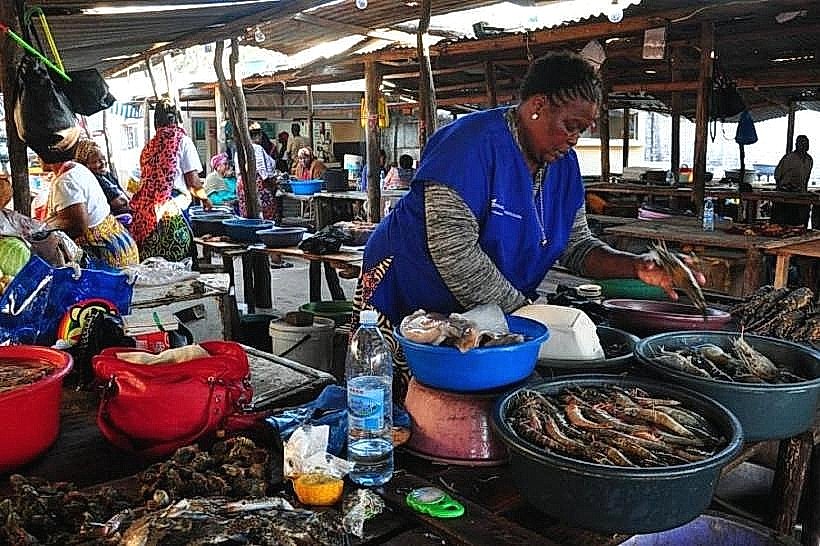
Inhaca is home to a small, close-knit community, with villages scattered along sandy tracks and near the shoreline. Daily life moves slowly, centered on fishing, small-scale farming, and local trade. Homes are simple, often shaded by trees, and the soundscape is defined by wind, waves, and distant conversation rather than traffic.
Visitors quickly notice the rhythm of island life: mornings shaped by tide times, afternoons softened by heat, and evenings quiet and communal.
Beaches and Outdoor Experience
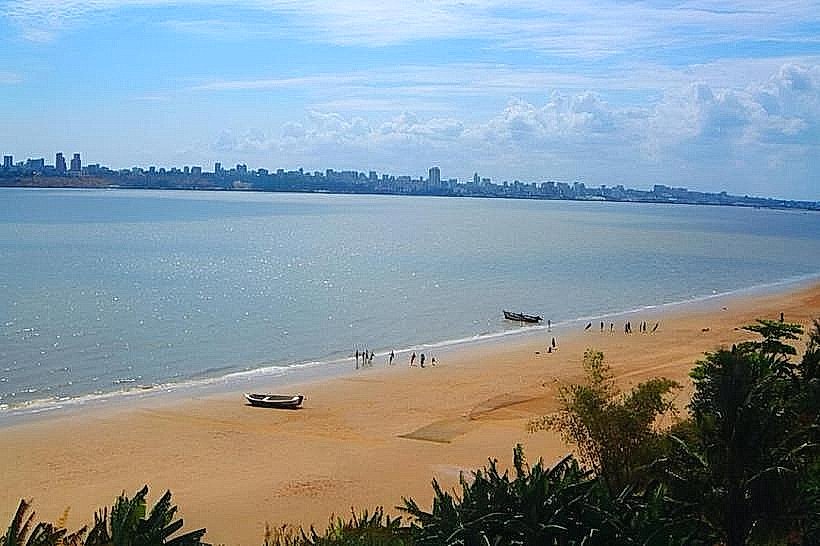
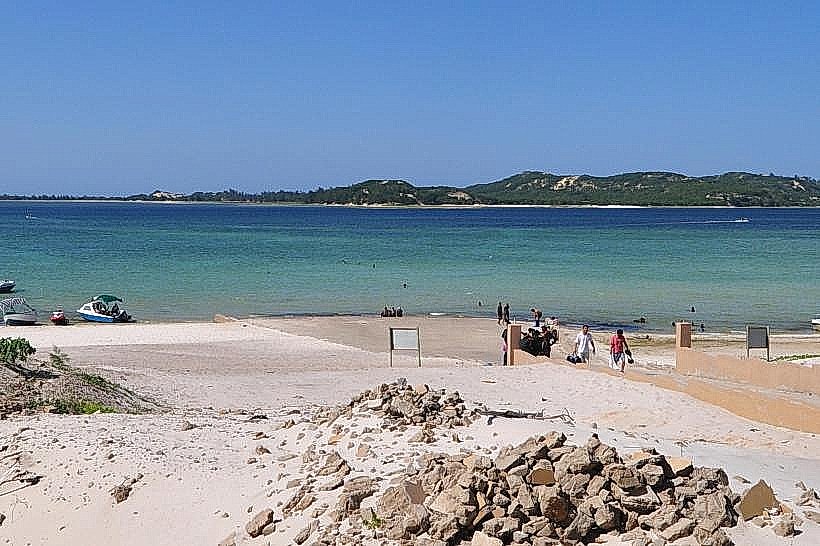
The island’s beaches vary in character. Some are wide and open, facing the ocean with rolling waves and long horizons. Others are sheltered and shallow, ideal for wading, snorkeling, and observing marine life close to shore. Walking along the coastline reveals subtle changes-shell patterns, coral fragments, and shifting sandbars-that reward slow exploration rather than fixed plans.
Research and Educational Presence
One of Inhaca’s defining features is its long-standing role as a marine research center, historically linked to academic institutions. This scientific presence has shaped how the island is understood and protected, reinforcing its reputation as a place of learning as well as leisure. The coexistence of research facilities and village life adds an unusual layer to the island’s identity.
Atmosphere and Cultural Meaning
Inhaca Island feels quietly elemental. The separation from the mainland creates a sense of pause, where time is measured by daylight and tide rather than clocks. It represents a softer, more ecological side of Mozambique’s coastal heritage, balancing human settlement with natural systems.
Rather than offering spectacle, Inhaca leaves its impression through simplicity, environmental richness, and the feeling of standing at the edge of land where the bay opens fully into the ocean.