Information
Landmark: Tunduru Botanical Gardens (Jardim Botânico Tunduru)City: Maputo
Country: Mozambique
Continent: Africa
Tunduru Botanical Gardens (Jardim Botânico Tunduru), Maputo, Mozambique, Africa
Tunduru Botanical Gardens, also known locally as Jardim Botânico Tunduru, is one of Maputo’s most atmospheric green spaces, combining botanical interest with layers of colonial-era design and everyday city life. Located near the historic downtown, a short walk from major landmarks, the garden offers a calm retreat that feels gently woven into the city rather than set apart from it.
Historical Origins
The gardens were laid out in 1885 during the late 19th century, at a time when Lourenço Marques was evolving from a port settlement into a structured colonial city. The design is attributed to Thomas Honney, a British gardener known for his work on European-style botanical parks in tropical settings. Originally conceived as a formal botanical garden, Tunduru was meant to introduce, study, and display plant species from Mozambique and other tropical regions while also serving as a leisure space for colonial residents.
Landscape Design and Layout
Tunduru reflects a classical European garden layout, adapted to a subtropical climate. Winding gravel paths curve gently through the grounds, bordered by low hedges, flowering plants, and mature shade trees. The garden’s structure is informal rather than rigid, encouraging slow wandering instead of straight-line movement.
Stone benches, small stairways, and subtle level changes create quiet corners where visitors often pause. The design feels intimate, with frequent visual breaks-one moment shaded and enclosed, the next opening onto a sunlit clearing.
Plant Life and Natural Atmosphere
The gardens host a mix of native Mozambican species and introduced tropical plants. Tall palms sway above dense shrubs, while frangipani and flowering trees release faint scents, especially in warmer months. Birdsong is constant, and small lizards often dart across paths or rest on sun-warmed stones.
Although not maintained as a scientific botanical collection today, the plant diversity remains one of the garden’s strengths, offering a layered canopy that filters city noise and heat.
Everyday Life and Social Role
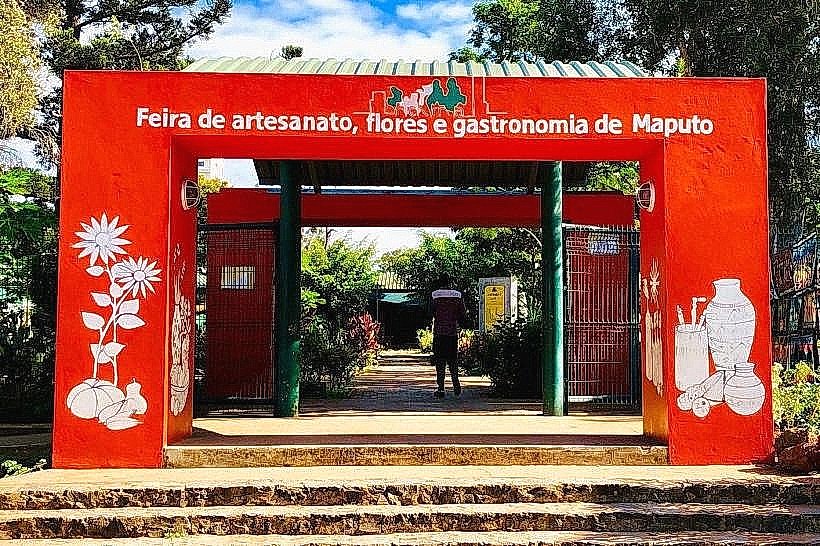
Tunduru Botanical Gardens is very much a living urban space. Office workers pass through on lunch breaks, families sit beneath trees in the afternoon, and students gather on benches to talk or read. Vendors sometimes linger near entrances, and the rhythm of the city quietly surrounds the garden without overwhelming it.
Unlike manicured show gardens, Tunduru feels relaxed and slightly worn, which adds to its charm. The worn paths and shaded corners suggest decades of everyday use rather than formal display.
Urban Setting and Visitor Experience
Surrounded by historic buildings and busy streets, the gardens offer a noticeable shift in pace the moment one steps inside. Traffic sounds soften, the air feels cooler, and movement slows naturally. Visitors often find themselves wandering without a plan, noticing small details such as patterned shadows on the paths or leaves rustling above stone benches.
The garden works well as a pause between visits to nearby landmarks, offering a moment to reset before returning to the city’s energy.
Cultural Significance
Tunduru Botanical Gardens represents a quieter layer of Maputo’s heritage. It reflects colonial urban planning ideals, local adaptation, and contemporary daily life all at once. Rather than impressing through scale or spectacle, it leaves an impression through atmosphere-an understated green refuge that continues to serve the city more than a century after its creation.