Information
Landmark: Iron House (Casa do Ferro)City: Maputo
Country: Mozambique
Continent: Africa
Iron House (Casa do Ferro), Maputo, Mozambique, Africa
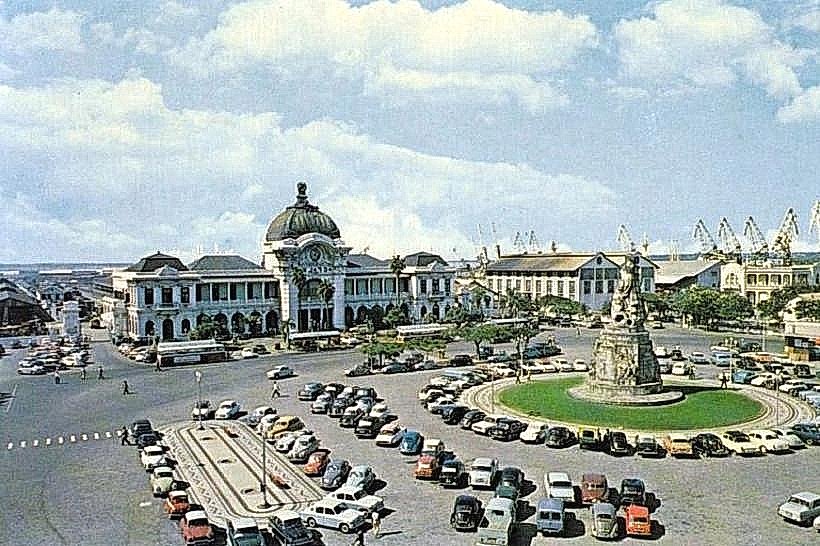
The Iron House, locally known as Casa do Ferro, is one of Maputo’s most unusual and quietly fascinating landmarks. Small in scale but rich in story, it sits just behind the Maputo Central Railway Station area, near the botanical garden, and often surprises visitors who stumble upon it almost by accident.
Origins and Historical Background
Casa do Ferro dates to the late 19th century, a period when prefabricated metal buildings were promoted as innovative solutions for colonial territories. The structure was manufactured in Europe and shipped in pieces to Mozambique, intended to serve as an official residence for the colonial governor. The idea reflected contemporary faith in industrial materials and modular construction, promising durability, speed of assembly, and resistance to tropical conditions.
In reality, the building never fulfilled its original residential purpose. The intense heat made the iron walls impractical for comfortable living, and the governor never moved in. Over time, the house passed through various uses, gradually shifting from failed experiment to architectural curiosity.
Architectural Features
Casa do Ferro is entirely constructed from corrugated iron panels, including its walls, roof, and decorative elements. The building has a compact, rectangular form, raised slightly above ground level, with a wraparound veranda that softens its rigid industrial character. Delicate ironwork details, such as ornamental trim and window surrounds, hint at Victorian-era design sensibilities applied to an unconventional material.
The metal surfaces age visibly under Maputo’s climate, showing subtle variations in color and texture. Rust marks, softened edges, and faded paint give the structure a layered, almost tactile appearance, telling its story without words.
Interior and Current Use
The interior is simple and functional, reflecting its prefabricated nature. Narrow rooms, metal ceilings, and minimal insulation reveal the limits of 19th-century industrial optimism. Today, the building is typically used for temporary exhibitions, small cultural displays, or as a heritage site rather than a permanent residence. Its modest scale makes visits brief, but the experience is memorable precisely because of its difference from surrounding architecture.
Urban Context and Visitor Experience
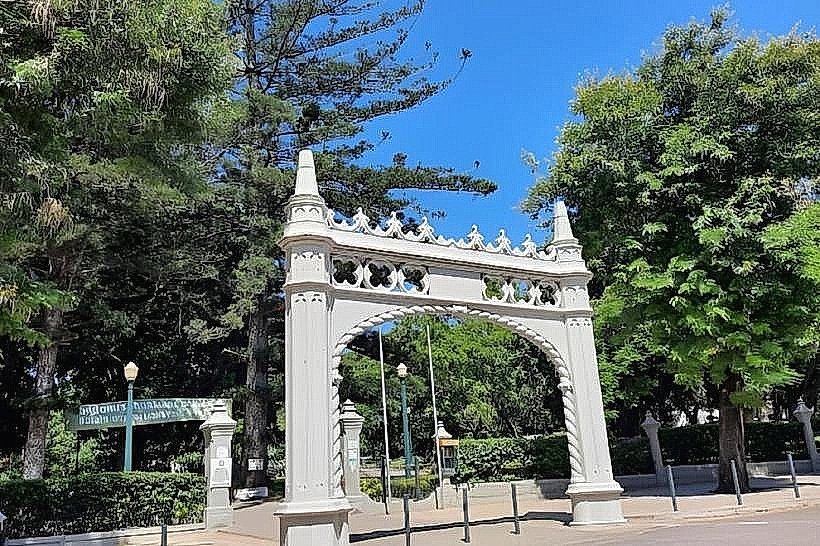
Set among trees and historic institutions, Casa do Ferro feels slightly out of place, which is part of its appeal. Visitors often notice the contrast between the greenery around it and the hard metallic shell of the building. Standing nearby, one can imagine the optimism of its creators and the reality check delivered by the tropical sun. It is the kind of place people circle slowly, noticing rivets, seams, and construction joints, piecing together how it was assembled far from where it stands now.
Cultural and Symbolic Meaning
Casa do Ferro has become a symbol of colonial experimentation and adaptation, illustrating both ambition and miscalculation. It represents a moment when European industrial ideas were exported wholesale, without full understanding of local conditions. Today, it is valued not for success, but for what it reveals about history, technology, and cultural encounter.
In Maputo’s architectural landscape, the Iron House stands as a quiet reminder that progress is often uneven, and that even failed ideas can leave behind structures worth preserving and reflecting upon.