Information
Landmark: Maputo Special Reserve (Elephant Park)City: Maputo
Country: Mozambique
Continent: Africa
Maputo Special Reserve (Elephant Park), Maputo, Mozambique, Africa
Maputo Special Reserve, often referred to as Elephant Park, is one of southern Mozambique’s most important protected natural areas, offering a rare combination of wildlife, coastal ecosystems, and quiet remoteness just south of the capital. It feels expansive and elemental, shaped by animals, water, and long horizons rather than human infrastructure.
Location and Landscape
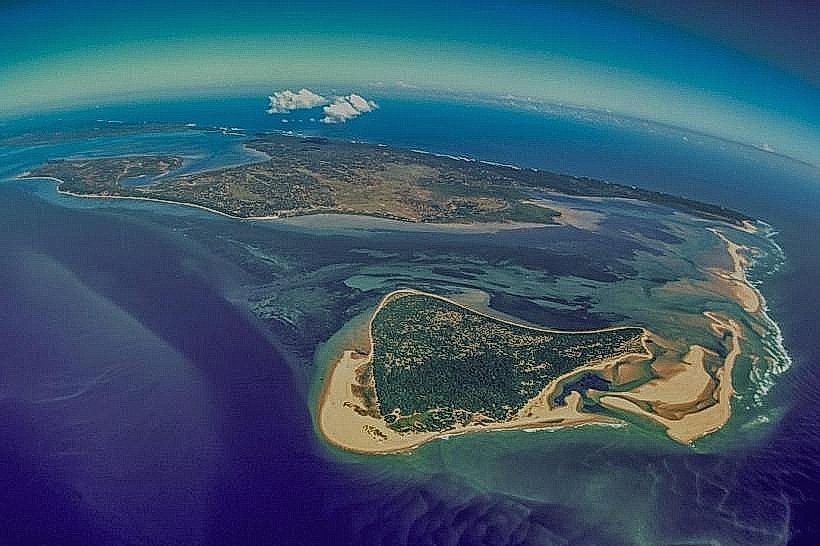
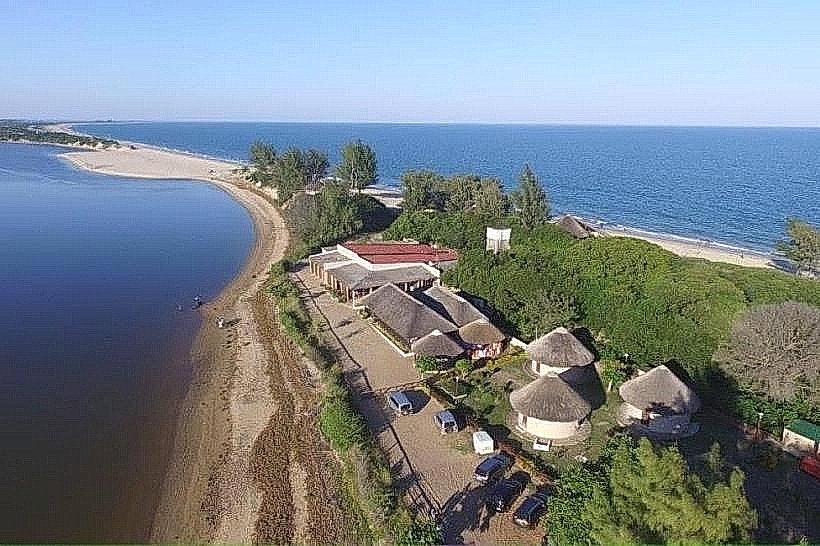
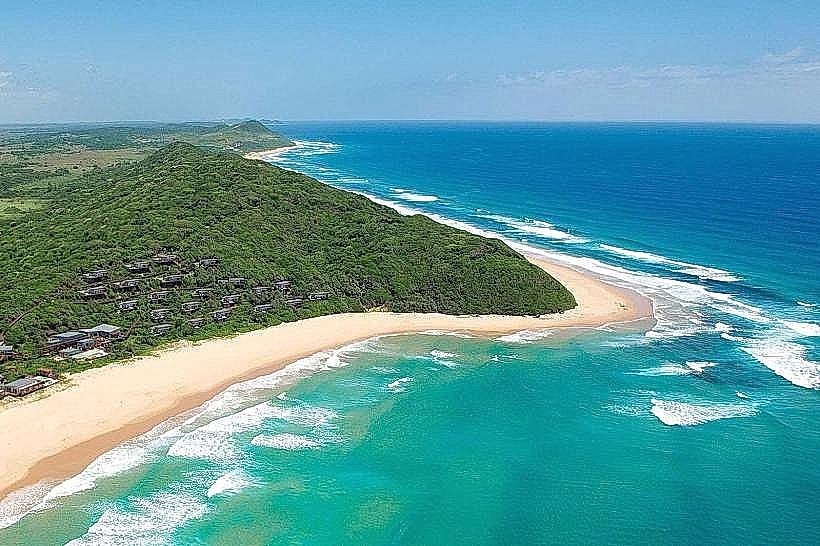
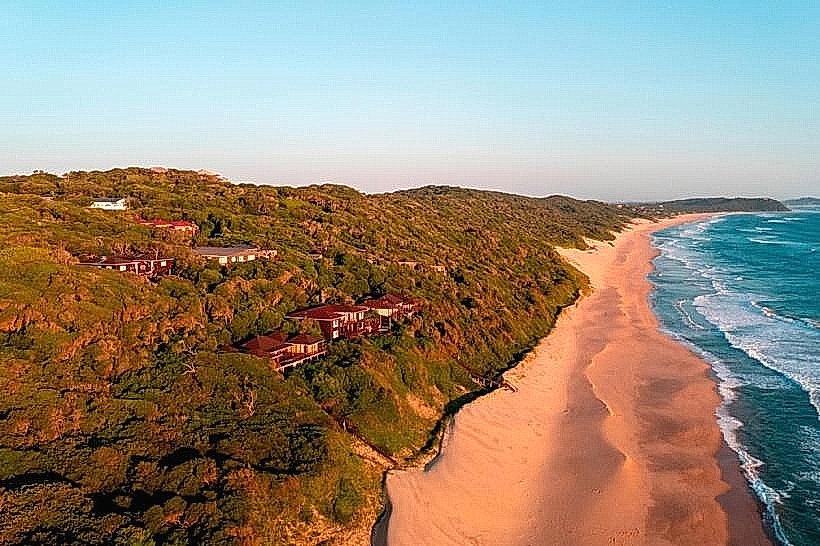
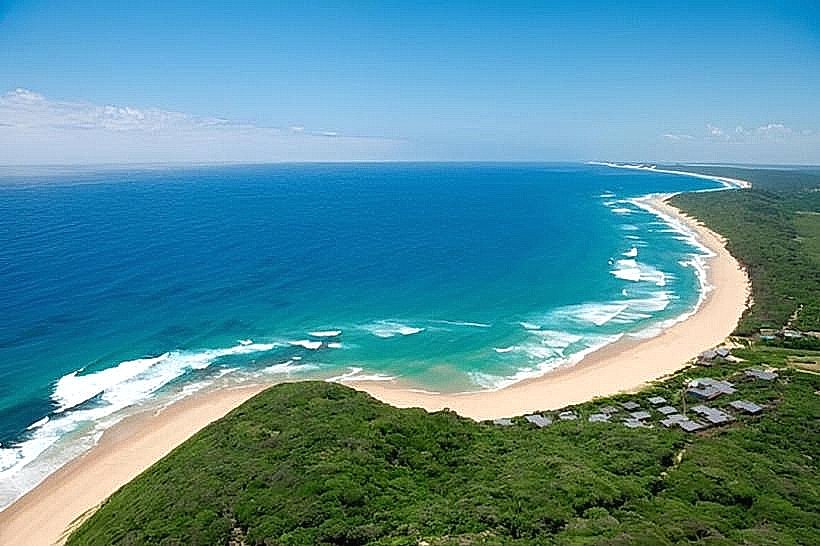
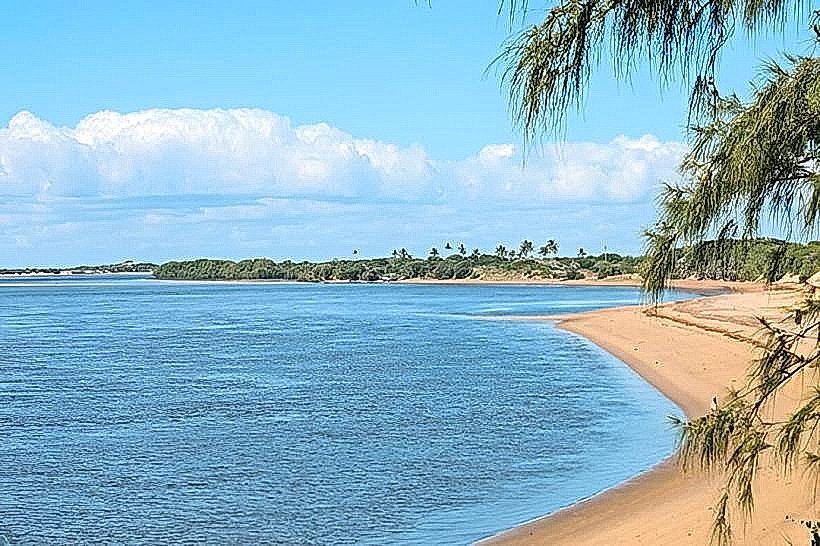
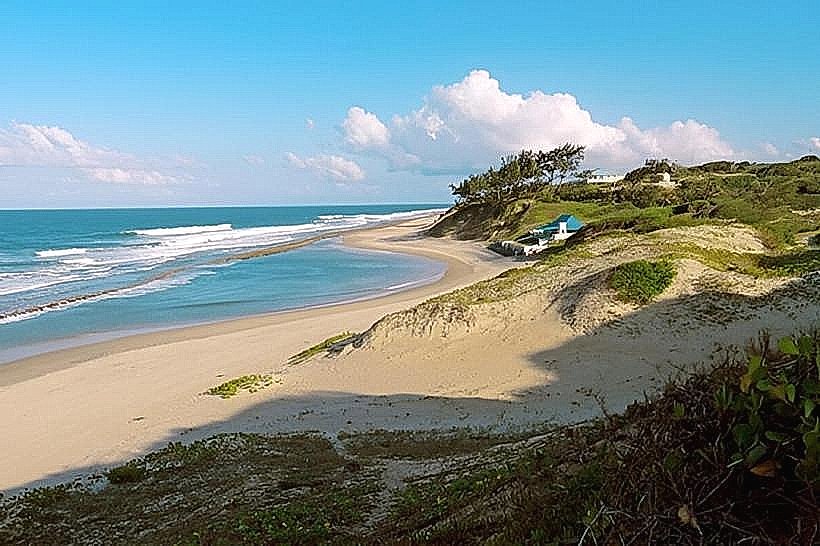
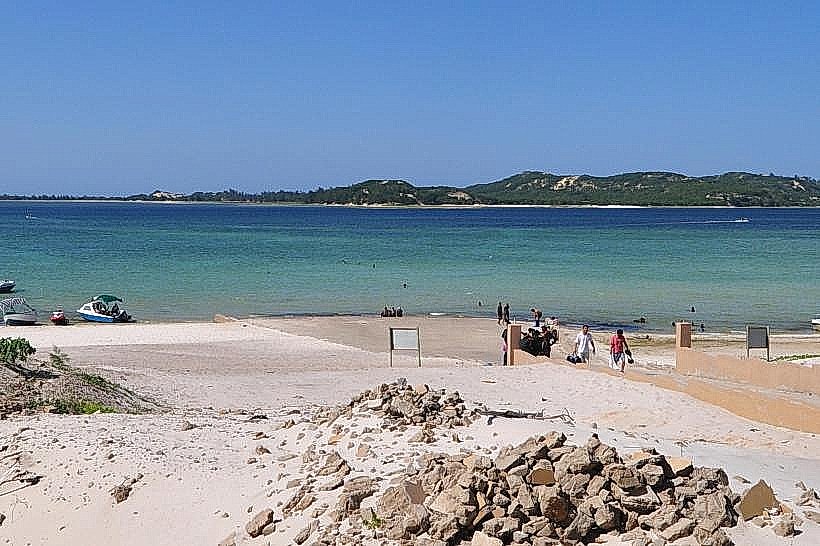
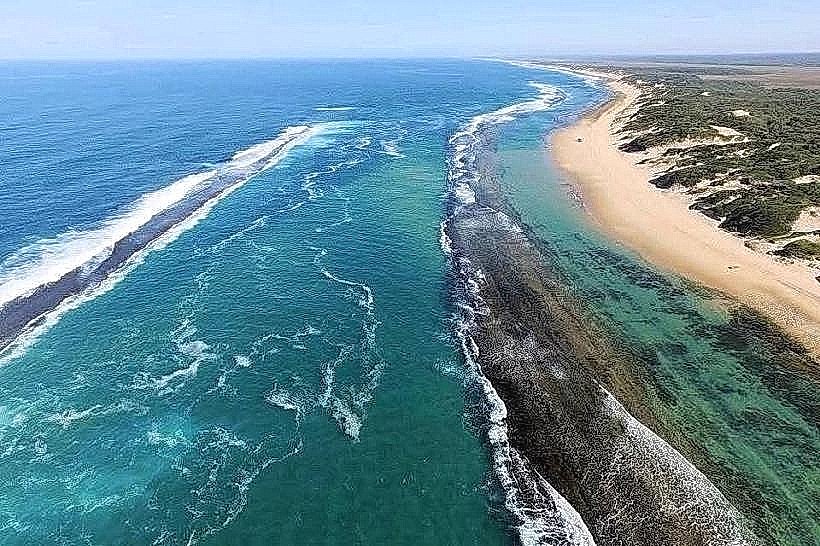
The reserve lies south of Maputo, stretching from inland savannah and woodland down to the shores of the Indian Ocean. Its landscape is strikingly varied. Open grasslands give way to sand forests, wetlands, seasonal lakes, and winding rivers, before finally meeting dune systems and empty beaches. This diversity creates a layered environment where habitats shift subtly over short distances, often noticed while moving slowly through the reserve.
Wildlife and the Elephant Presence
Elephants are the reserve’s defining inhabitants and the reason for its popular nickname. After years of decline due to conflict and poaching, elephant populations have been gradually re-established, and sightings are one of the most powerful experiences here. Seeing elephants move quietly between forest and wetland, often leaving deep footprints in sandy soil, gives the area a sense of scale and gravity.
Alongside elephants, the reserve supports giraffe, zebra, antelope species, hippos, crocodiles, and a wide range of birdlife. The wildlife experience feels understated rather than theatrical. Animals appear as part of the landscape, not as staged encounters.
Ecological Importance
Maputo Special Reserve protects one of the most ecologically complex regions in southern Mozambique. Freshwater lakes and floodplains attract birds and grazing animals, while coastal zones support marine-influenced ecosystems. The interaction between land and water is constant, with seasonal changes reshaping vegetation and animal movement. This ecological richness makes the reserve as significant for conservation as it is for observation.
Visitor Experience
Visiting the reserve is defined by space and patience. Roads are limited and often sandy, encouraging slow travel and attentive watching. Long stretches may pass quietly before wildlife emerges, reinforcing the feeling of being inside a functioning natural system rather than a managed attraction.
The absence of heavy infrastructure heightens the experience. Sounds carry far, and the environment feels dominant, not curated. Early mornings and late afternoons reveal the reserve at its most expressive, with shifting light, active animals, and cooler air.
Coastal Edge and Rare Contrast
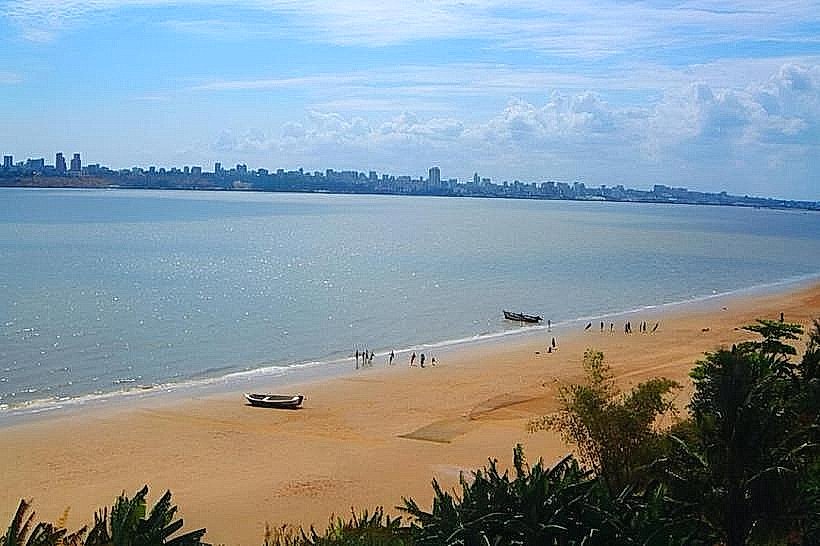
One of the reserve’s most distinctive features is its untouched coastline. In some areas, wildlife habitats extend almost to the beach, creating an unusual meeting point between savannah and ocean. Standing near the shore, it is possible to sense how rare this continuity has become elsewhere, where development usually breaks the link between land ecosystems and the sea.
Cultural and Conservation Meaning
Maputo Special Reserve represents Mozambique’s long-term commitment to restoring and protecting its natural heritage. It carries the memory of loss alongside evidence of recovery, making it a place of quiet optimism rather than spectacle.
Rather than overwhelming visitors with abundance, the reserve leaves an impression through restraint. It invites observation, respect, and awareness of how fragile and resilient natural systems can be. As Elephant Park, it is not just about elephants, but about the space they need, and the broader landscape that sustains them.