Information
City: MaputoCountry: Mozambique
Continent: Africa
Maputo, Mozambique, Africa
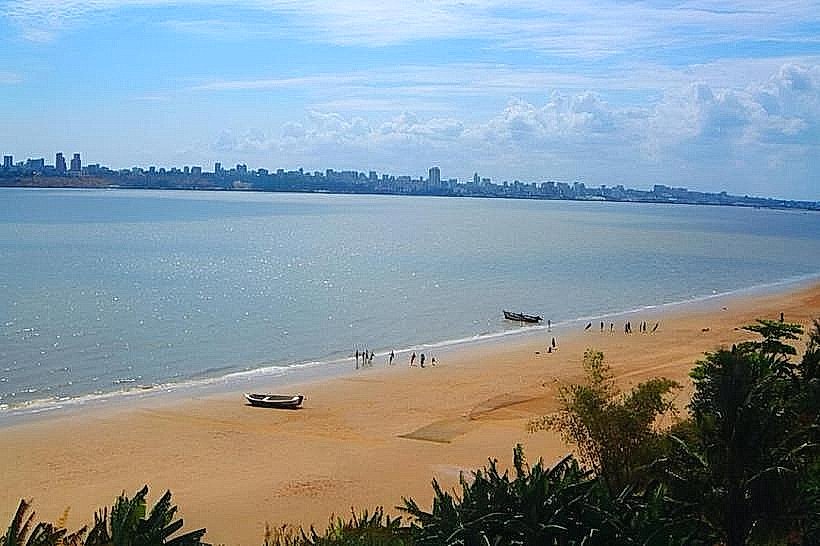
Maputo is the capital, largest city, and primary port of Mozambique. Located on the western shore of Maputo Bay in the extreme south of the country, it serves as the nation's political, financial, and logistical center.
Historical Timeline
Founded in the late 18th century as Lourenço Marques, the city replaced Island of Mozambique as the capital of Portuguese East Africa in 1898. Its growth was fueled by the 1895 railway connection to Pretoria, South Africa, establishing it as a key regional transit hub. Following independence in 1975, it was renamed Maputo in 1976. The city underwent significant stagnation during the Mozambican Civil War (1977–1992) but has since experienced an urban construction boom and economic revitalization.
Demographics & Population
The 2026 metro area population is estimated at approximately 1,250,000. The population is ethnically diverse, predominantly Shangaan (Tsonga) and Ronga, with significant Portuguese, Indian, and Chinese minorities. Portuguese is the official language and lingua franca; Xichangana is widely spoken in domestic and informal contexts.
Urban Layout & Key Districts
The city is divided into a lower town (Baixa) and an upper town (Polana).
Baixa (Downtown): The historic and commercial core containing the port, central market, and colonial-era landmarks.
Polana: An upscale district featuring embassies, high-end hotels, and the Presidential Palace.
Sommerschield: A premier residential and diplomatic zone.
Mafalala: A historic "township" or bairro known as the cradle of Mozambican independence and culture.
Catembe: Located across the bay, now connected by the Maputo–Katembe bridge.
Top City Landmarks
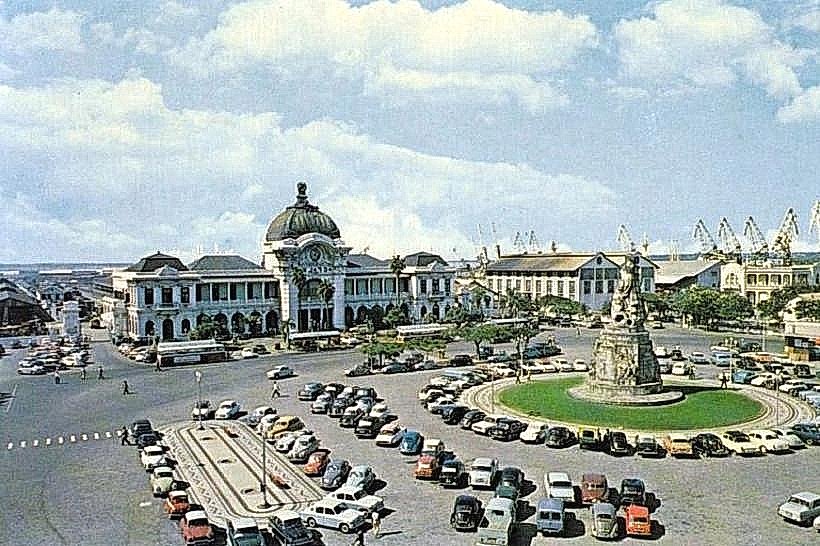
Maputo Railway Station (CFM): Often cited as one of the world's most beautiful, featuring a dome designed by an associate of Gustave Eiffel.
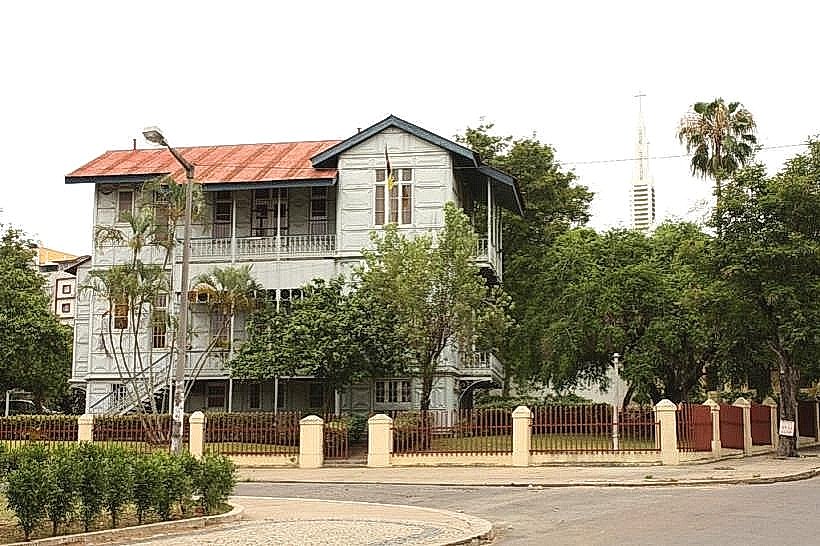
The Iron House (Casa de Ferro): A prefabricated steel structure designed by Eiffel, originally intended as a governor's residence.
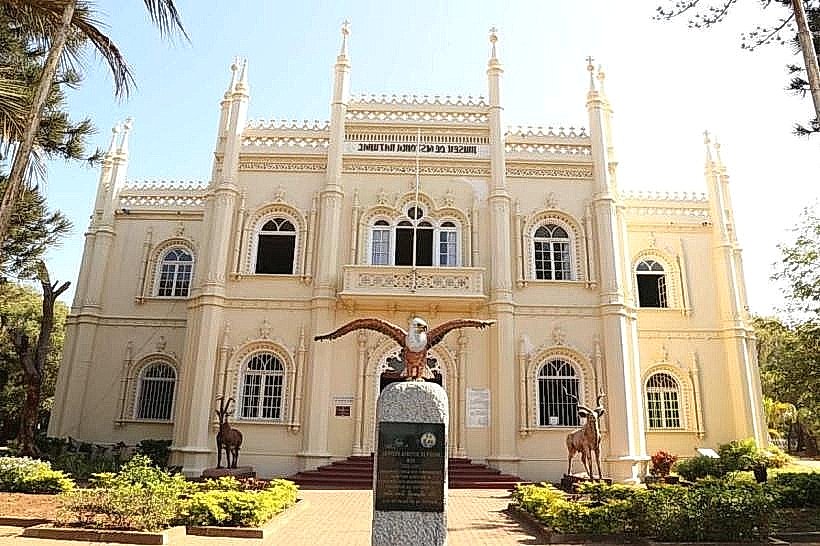
Natural History Museum: Known for its unique collection of elephant fetuses and Neo-Manueline architecture.
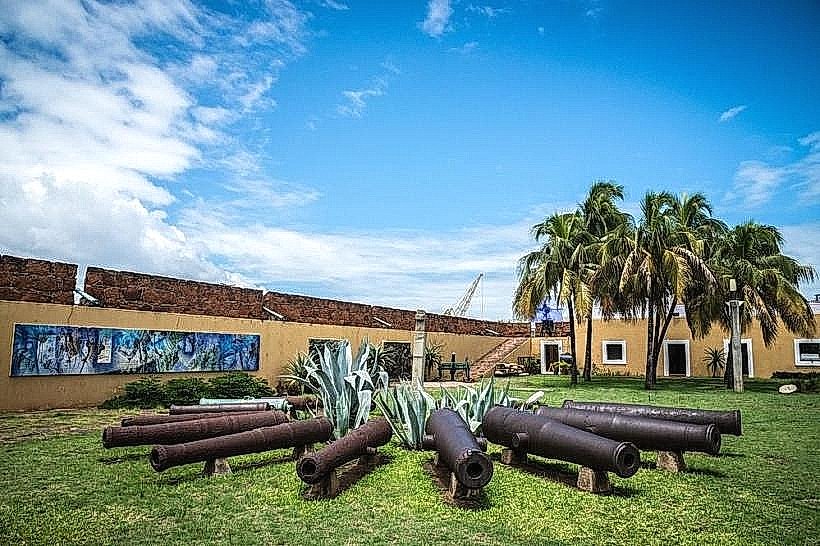
The Fortress (Fortaleza): A restored Portuguese military installation in the Baixa.
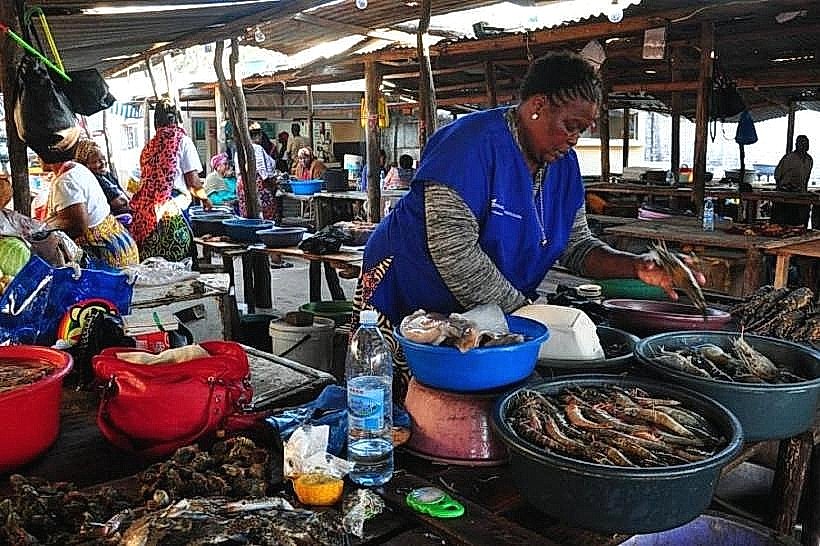
Maputo Central Market: A vibrant hub for seafood, produce, and local crafts.
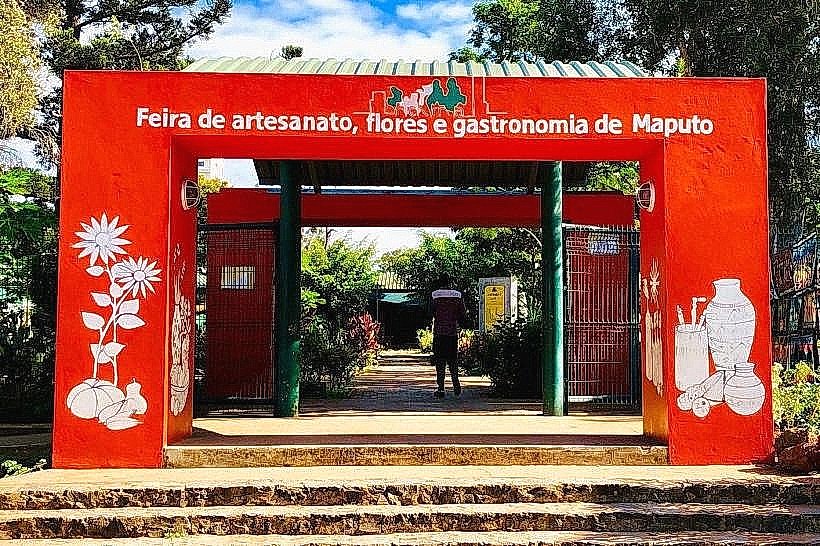
FEIMA: A dedicated park for local arts, crafts, and traditional cuisine.
Transportation Network
Roads: The Maputo–Katembe Bridge, the longest suspension bridge in Africa, links the city to South Africa.
Public Transit: Domestic movement is dominated by chapas (minibuses) and the newer municipal bus system. "Tuk-tuks" are common for short distances.
Aviation: Maputo International Airport (MPM) is the primary gateway for international and domestic flights.
Maritime: Regular ferries connect the Baixa to Catembe and Inhaca Island.
Safety & "Red Zones"
Current Status: Exercise High Caution. Maputo experiences high rates of petty crime, including muggings and pickpocketing, particularly in the Baixa and along the Avenida Marginal at night. Kidnappings for ransom targeting business owners have occurred. Avoid walking alone after dark. Police corruption remains a concern; always carry a notarized copy of your passport.
Digital & Financial Infrastructure
Internet: 4G and 5G services are available via Vodacom and Movitel, with speeds of 20–50 Mbps in central areas.
Banking: The currency is the Mozambican Metical (MZN). ATMs are widespread but often have withdrawal limits. Visa is the most widely accepted card; Mastercard is less common.
Mobile Money: M-Pesa and e-Mola are used extensively for daily transactions.
Climate & Air Quality
Maputo has a tropical savanna climate. Temperatures range from 13°C in July to 31°C in January. The rainy season occurs from November to March. Air quality is generally moderate, though it can degrade in industrial zones near the port or due to waste burning in peripheral bairros.
Culture & Social Norms
The city is famous for its Marrabenta music and Mediterranean-influenced seafood (specifically peri-peri prawns). Tipping is expected in restaurants (approx. 10%). Formal greetings are important; Portuguese etiquette is common in professional settings.
Local Cost Index
1 Espresso: USD 1.50 (95 MZN)
1 Standard Lunch: USD 10.00 (640 MZN)
1 Beer (2M or Laurentina): USD 2.00 (130 MZN)
Nearby Day Trips
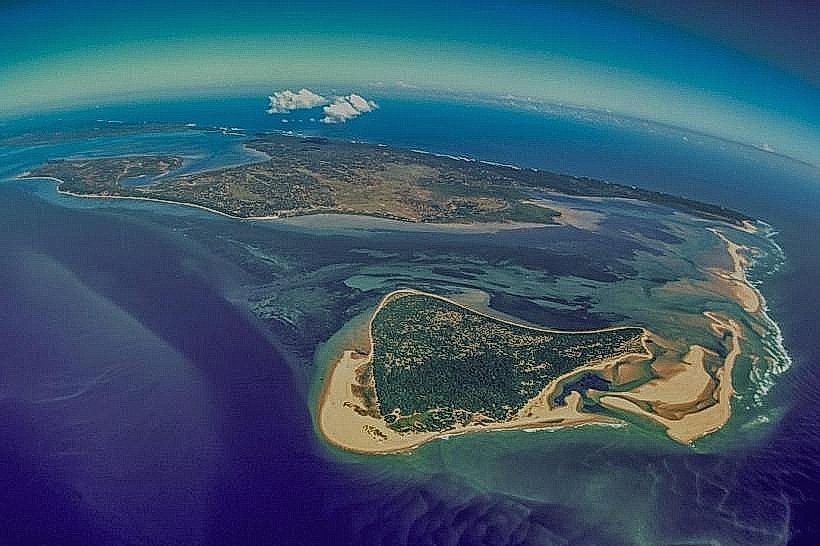
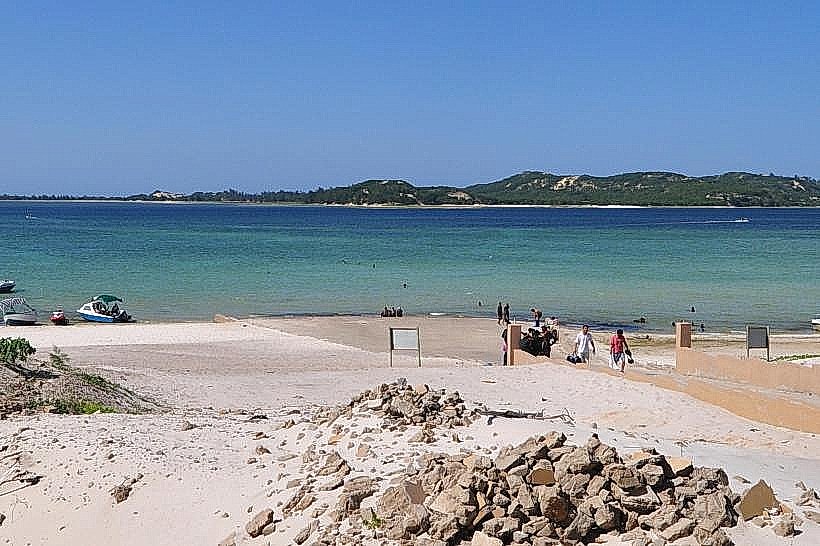
Inhaca Island: Accessible by ferry/boat for snorkeling and beaches.
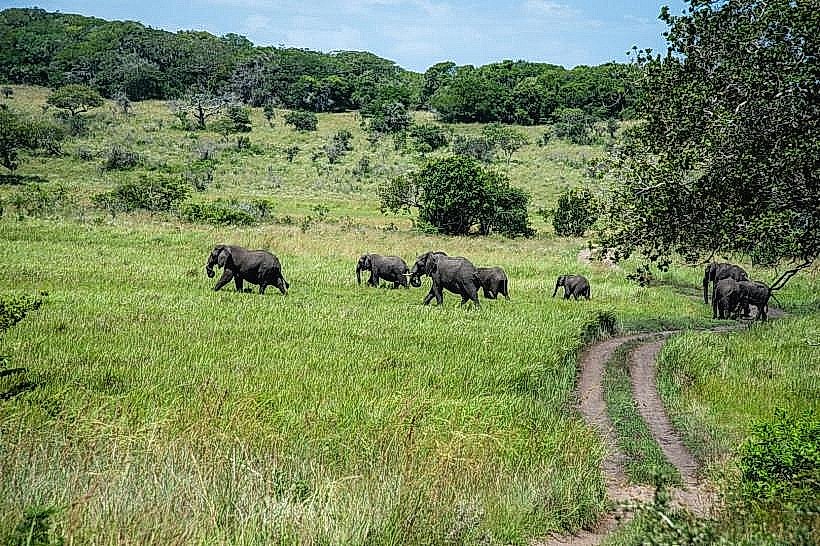
Maputo Special Reserve (70 km): Known for its herds of elephants and coastal lakes.
Ponta do Ouro (120 km): A premier diving and surfing destination near the South African border.
Facts & Legends
Maputo is known as the "City of Acacias" due to the many acacia trees lining its avenues. A local legend in the Mafalala district tells of a "hidden city" beneath the streets used by freedom fighters during the colonial war. Historically, the city’s architecture is a unique "tropical modernism" blend, featuring works by Pancho Guedes.