Information
Landmark: Praça da IndependênciaCity: Maputo
Country: Mozambique
Continent: Africa
Praça da Independência, Maputo, Mozambique, Africa
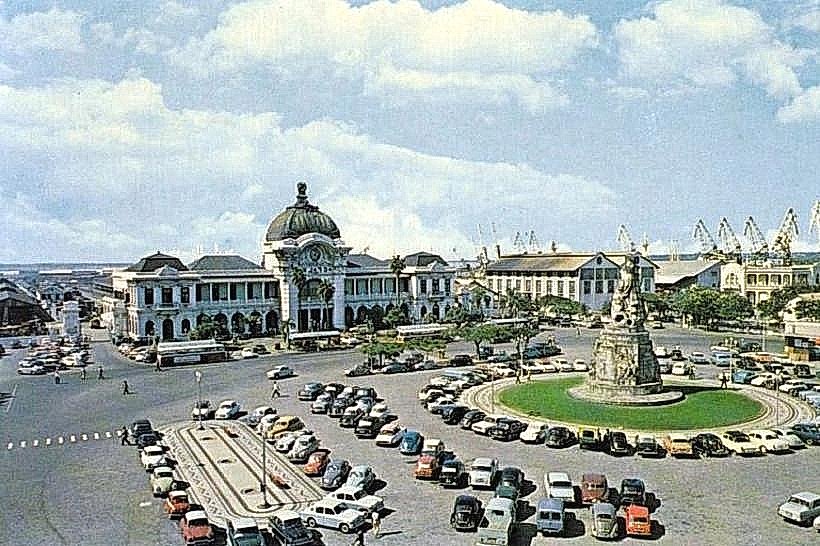
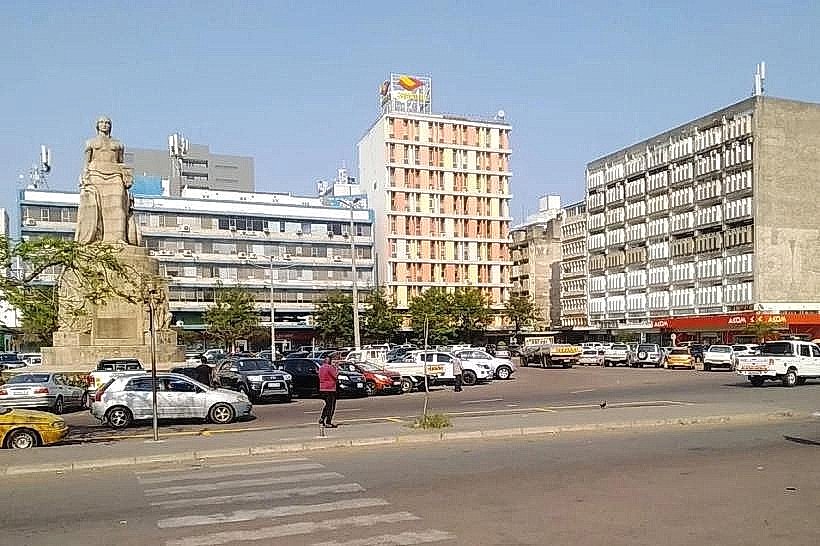
Praça da Independência is one of Maputo’s most symbolic and historically charged public spaces, functioning as both a civic heart and a stage for the country’s political memory. Broad, open, and deliberately monumental, the square sits at the center of the capital’s historic core and anchors several of Mozambique’s most important buildings.
Historical Evolution
Originally developed during the Portuguese colonial period, the square was once known as Praça Mouzinho de Albuquerque, named after a colonial military figure. Its transformation into Praça da Independência followed Mozambique’s independence in 1975, when the space was redefined to reflect national sovereignty and collective identity. Since then, it has hosted military parades, independence celebrations, state ceremonies, and moments of public gathering tied to major political milestones.
Spatial Layout and Design
The square is defined by its openness and axial clarity. Wide paved surfaces allow for large crowds, processions, and ceremonies, while low landscaping ensures unobstructed sightlines across the space. The layout encourages movement and visibility rather than enclosure, reinforcing its role as a civic forum rather than a leisure park.
At the center and along the edges, monuments and flag displays provide visual focus without overwhelming the scale of the square. The design emphasizes dignity and permanence rather than decoration.
Surrounding Landmarks
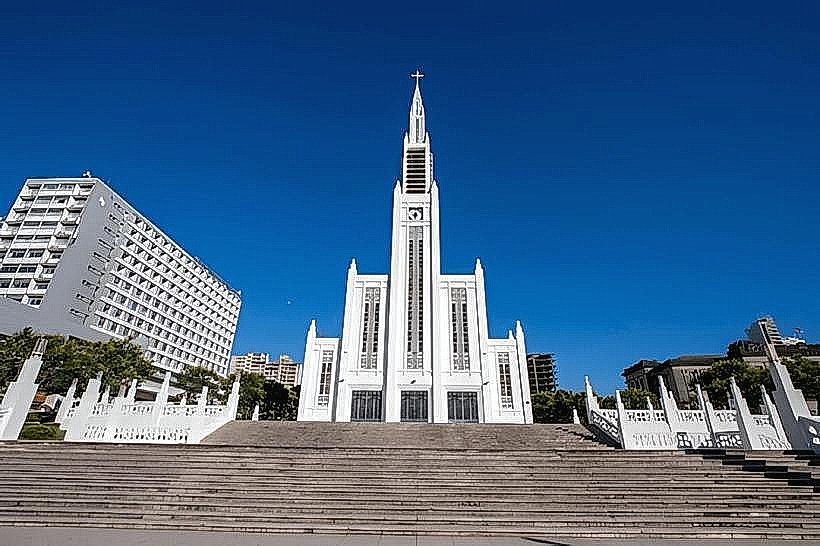
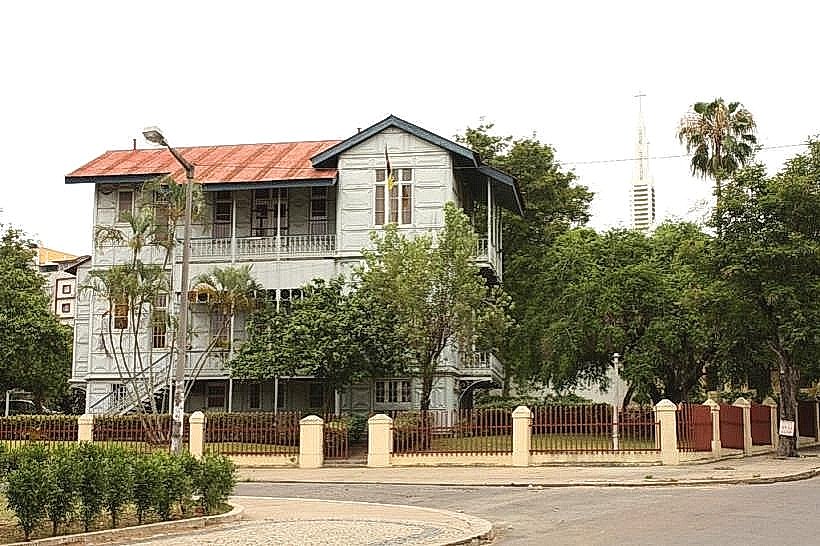
Praça da Independência gains much of its character from the buildings that frame it. The Cathedral of Our Lady of the Conception, with its tall modernist bell tower, stands prominently on one side, its clean lines contrasting with the openness of the square. Nearby government buildings reinforce the square’s administrative role, while monuments and statues connect the space to national history. Together, these structures create a dialogue between faith, governance, and public life.
Atmosphere and Daily Life
Outside of official events, the square takes on a quieter, everyday rhythm. Pedestrians cross it on their way to work, small groups pause in conversation, and the space becomes a place of observation rather than activity. In the early morning, the square feels expansive and calm, with long shadows stretching across the pavement. By late afternoon, the light softens and the square feels more reflective, its scale encouraging a sense of pause rather than urgency.
Role in National Identity
Praça da Independência is not just a physical space but a symbolic landscape. It represents Mozambique’s break from colonial rule and the ongoing process of defining national identity. Speeches, commemorations, and public gatherings held here carry weight precisely because of the square’s associations with independence and statehood. For many Mozambicans, it is a place where history feels present rather than abstract.
Visitor Experience
For visitors, the square is best understood slowly. Standing in the open space allows the surrounding architecture and symbolism to come together naturally. It is less about spectacle and more about context-how buildings, history, and civic life intersect in a single, expansive setting. Praça da Independência leaves a lasting impression through its scale, restraint, and quiet authority within Maputo’s urban landscape.