Information
City: InhambaneCountry: Mozambique
Continent: Africa
Inhambane, Mozambique, Africa
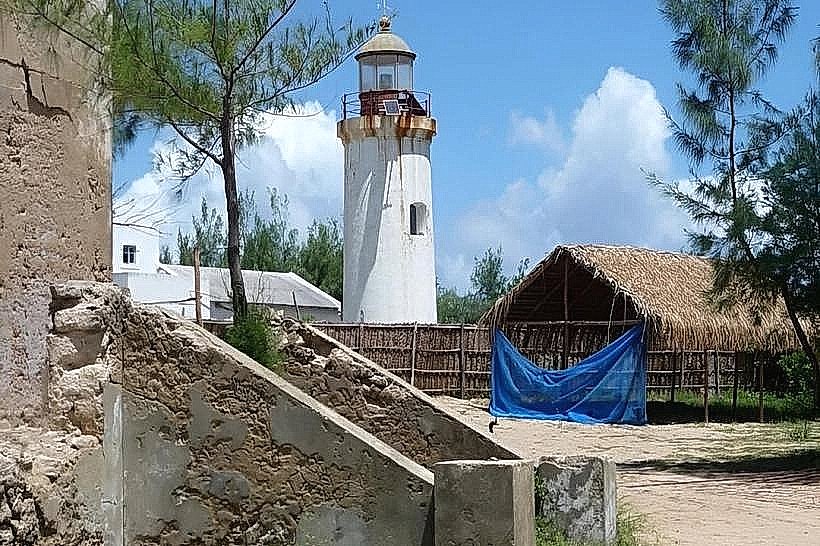
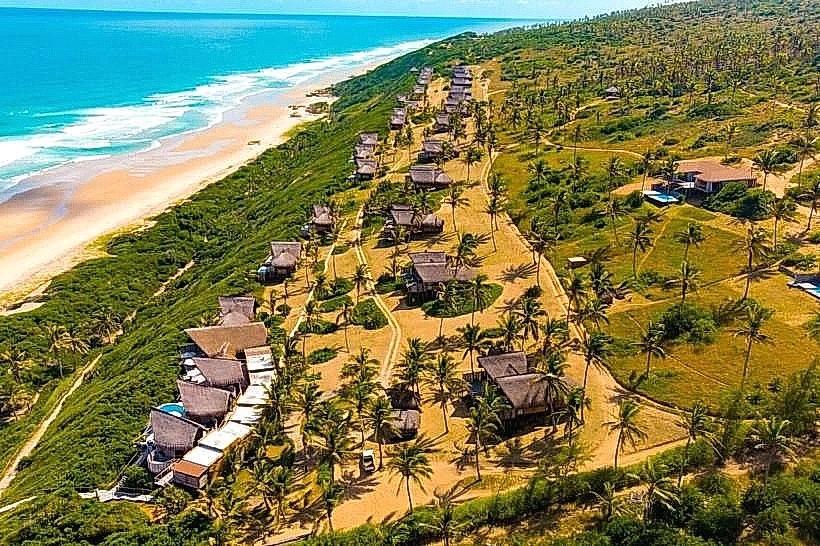
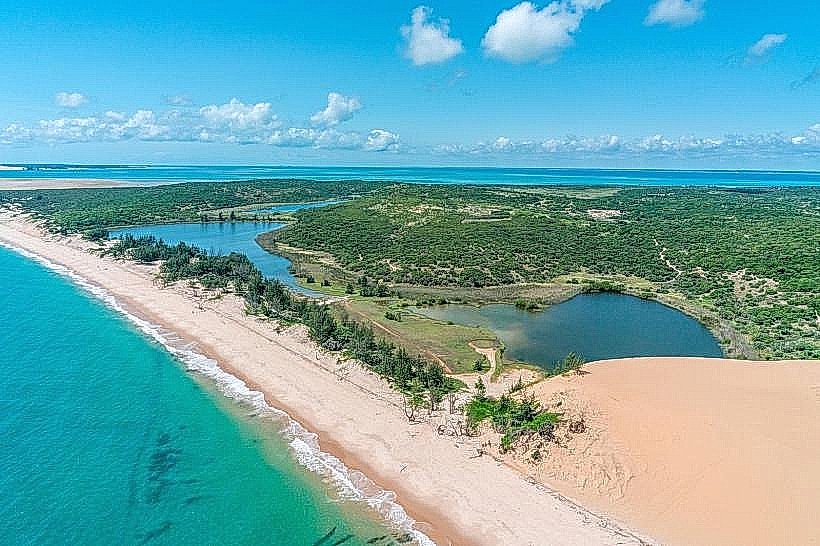
Inhambane is the capital of the Inhambane Province in southern Mozambique. Located on the eastern shore of Inhambane Bay, it is one of the oldest settlements on the East African coast, known for its tranquil colonial atmosphere, extensive palm groves, and proximity to major diving hubs.
Historical Timeline
The site was a known trading post for Arab and Persian merchants for centuries before the arrival of Europeans. Vasco da Gama landed here in 1498, naming it Terra de Boa Gente (Land of the Good People). The Portuguese established a permanent trading post in 1534, making it one of the oldest European-established towns in Southern Africa. It grew as a center for the trade of ivory, beeswax, and, later, slaves. Following Mozambique's independence and civil war, Inhambane remained relatively stable and has since become a focal point for the country’s tourism industry.
Demographics & Population
The 2026 population is estimated at approximately 85,000. The primary ethnic groups are the Bitonga and Chopi. Portuguese is the official language, but Gitonga and Cichopi are the dominant languages spoken in daily life. The city maintains a significant Muslim minority, reflecting its history of Indian Ocean trade.
Urban Layout & Key Districts
The city is compact, characterized by wide avenues and aging Portuguese colonial architecture.
The Waterfront (Marginal): The scenic road running along the bay, home to the pier and administrative buildings.
The Old Town: The historic core containing the cathedral and colonial-era "sobrados."
The Market District: The commercial heart centered around the Mercado Central.
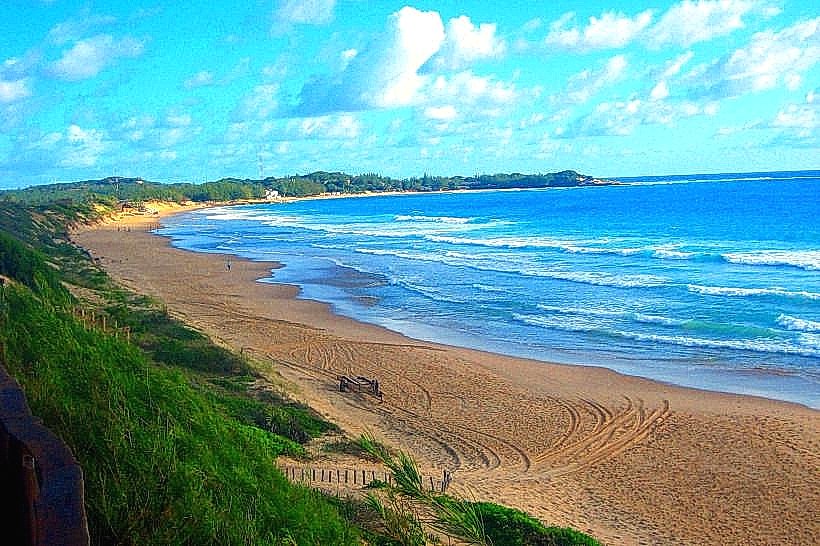
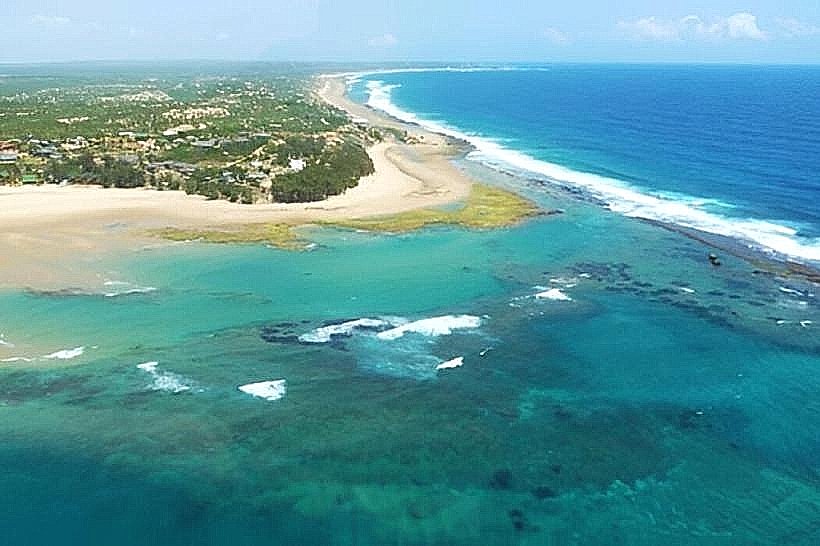
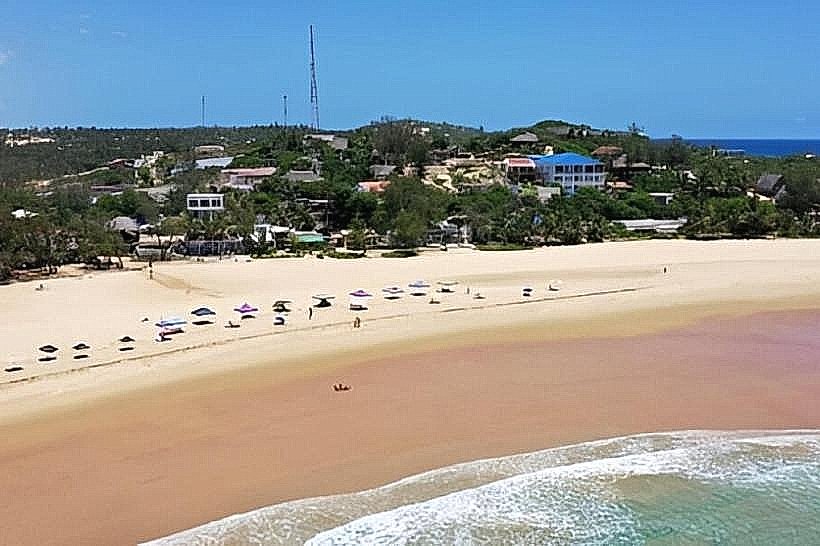
Tofo & Barra (20–25 km away): While technically separate coastal settlements, these are the primary tourism "suburbs" of Inhambane.
Top City Landmarks
Cathedral of Our Lady of the Conception: A 200-year-old Portuguese church located in the old town.
Mercado Central: Famous for its fresh cashews, seafood, and "piri-piri" spices.
The Governor's Palace: A prominent colonial building overlooking the bay.
The Old Mosque: Reflecting the city's ancient trade links with the Arab world.
Inhambane Pier: The departure point for traditional dhows crossing the bay to Maxixe.
Transportation Network
Movement is conducted via motorbikes, taxis, and traditional maritime transport.
Dhows: The iconic mode of transport across the bay to Maxixe. These traditional wooden sailing vessels are a primary link for locals.
Roads: The city is connected to the EN1 (the main north-south highway) via a paved spur road.
Aviation: Inhambane Airport (INH) serves regular domestic flights from Maputo and occasional charters from South Africa.
Public Transit: Chapas (minibuses) connect the town center to the beaches of Tofo and Barra.
Safety & "Red Zones"
Current Status: Exercise Normal Precautions. Inhambane is significantly safer than Maputo. Petty theft (pickpocketing) occurs in markets and on the beaches of Tofo at night. Travelers should be cautious of strong rip currents at the nearby beaches. While the northern part of Mozambique faces an insurgency, the Inhambane province remains stable and unaffected as of 2026.
Digital & Financial Infrastructure
Average internet speed is 10–20 Mbps via 4G (Vodacom, Movitel). Connection is generally stable in the town center but can be spotty in the dunes of Tofo. Several banks with ATMs are available in the city center. Card acceptance is limited to major lodges and upscale restaurants; cash (Meticais, MZN) is essential for daily transactions. South African Rand (ZAR) is frequently accepted in the Tofo area.
Climate & Air Quality
Inhambane has a tropical savanna climate. Temperatures range from 15°C to 30°C. The rainy season is from January to March. Air quality is Excellent due to the lack of heavy industry and constant ocean breezes.
Culture & Social Norms
The region is the heartland of the Timbila (xylophone) music of the Chopi people, a UNESCO-recognized Masterpiece of the Oral and Intangible Heritage of Humanity. Tipping is not mandatory but 10% is customary in tourist venues. Conservative dress is recommended when visiting the city center or religious sites.
Local Cost Index
1 Espresso: USD 1.50 (95 MZN)
1 Standard Lunch: USD 7.00 (450 MZN)
1 Dhow Crossing to Maxixe: USD 0.50 (30 MZN)
Nearby Day Trips
Tofo Beach (22 km): A world-renowned destination for diving with Manta Rays and Whale Sharks.
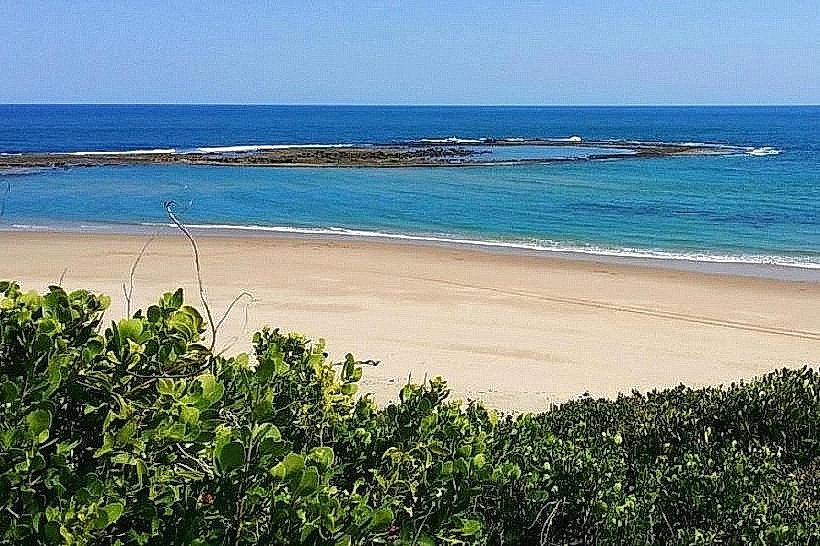
Barra Beach (25 km): Known for its calm waters and luxury lodges.
Maxixe: Reached by dhow; a bustling commercial town across the bay.
Facts & Legends
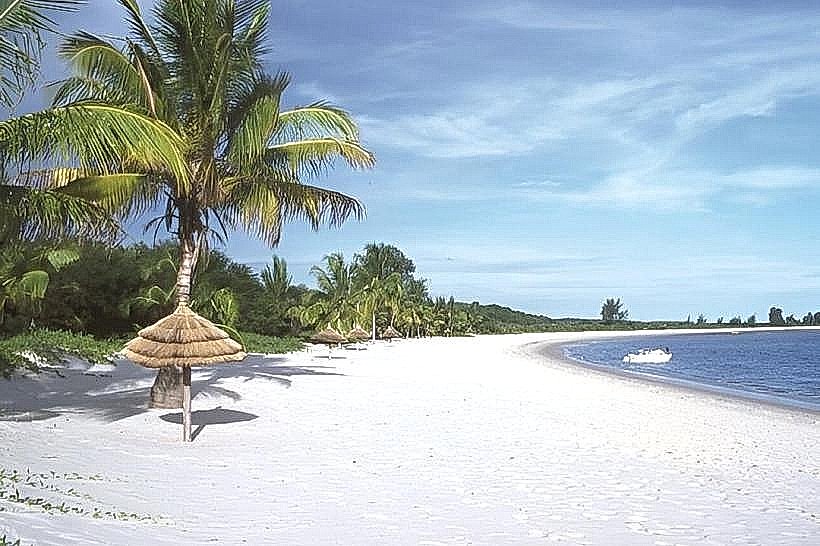
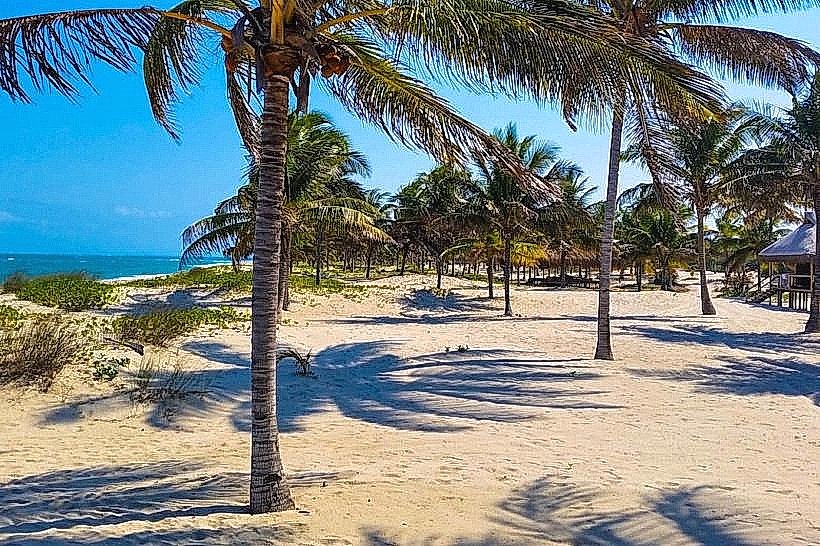
Inhambane is known as the "Land of the Palm Trees" due to the millions of coconut palms that dominate the landscape. A local legend claims that the dhows of Inhambane are guided by the spirits of ancient sailors, which is why they rarely capsize during the bay crossings. Historically, it was the site of the first Jesuit mission in Southern Africa (1560).