Information
Landmark: Vilanculos Town (Vilankulo)City: Inhambane
Country: Mozambique
Continent: Africa
Vilanculos Town (Vilankulo), Inhambane, Mozambique, Africa
Vilanculos Town, often written as Vilankulo, sits along Mozambique’s central coastline in Inhambane Province, facing the shallow, island-dotted waters of the Indian Ocean. It is widely known as the mainland gateway to the Bazaruto Archipelago, yet the town itself has a distinct character that goes beyond being a transit point. Life here unfolds at an easy coastal pace, shaped by fishing traditions, trade winds, and the constant presence of the sea.
Geographic Setting and Layout
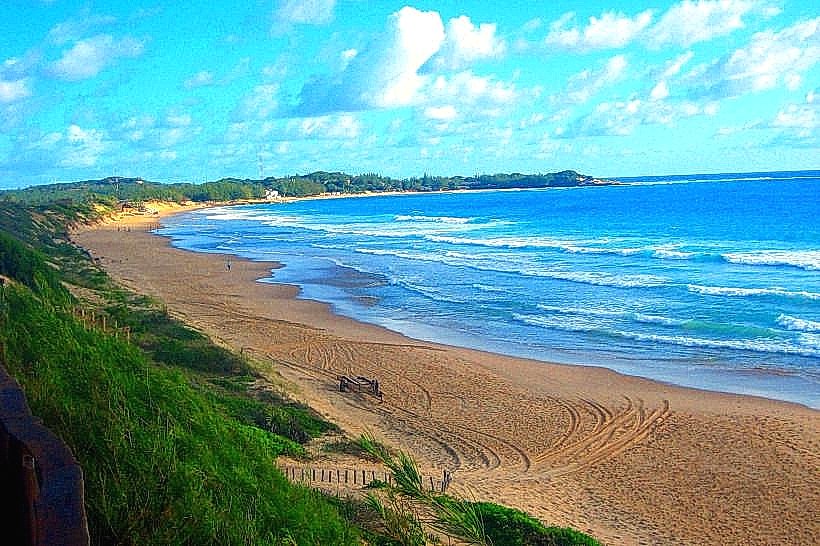
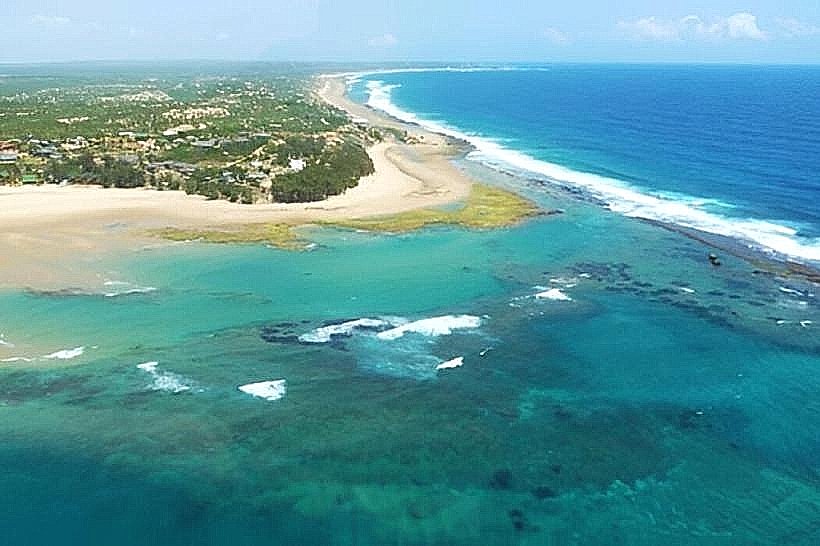
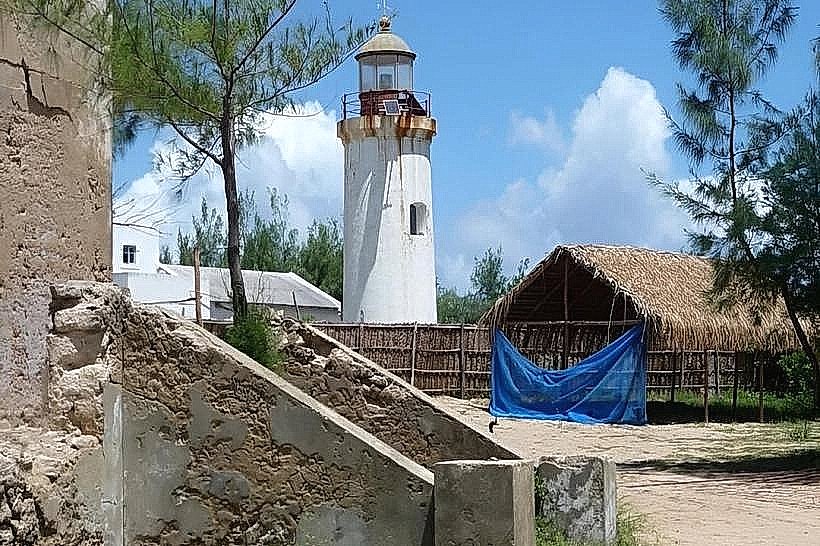
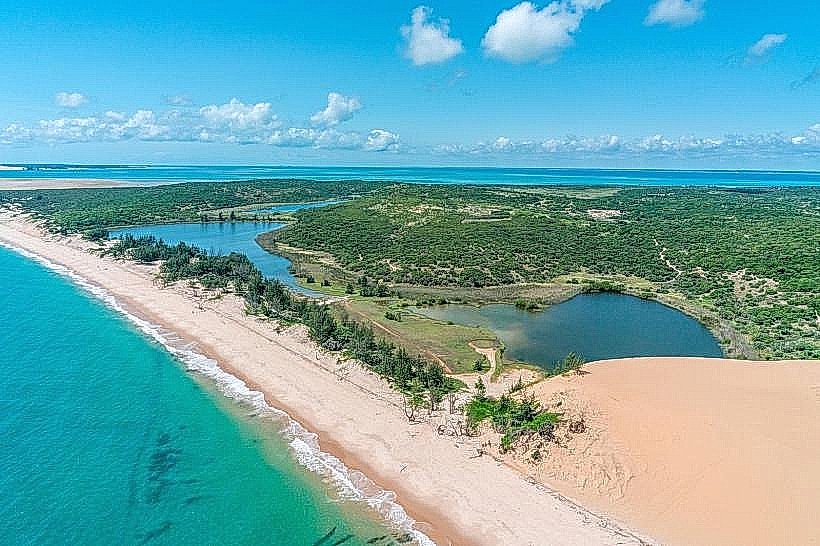
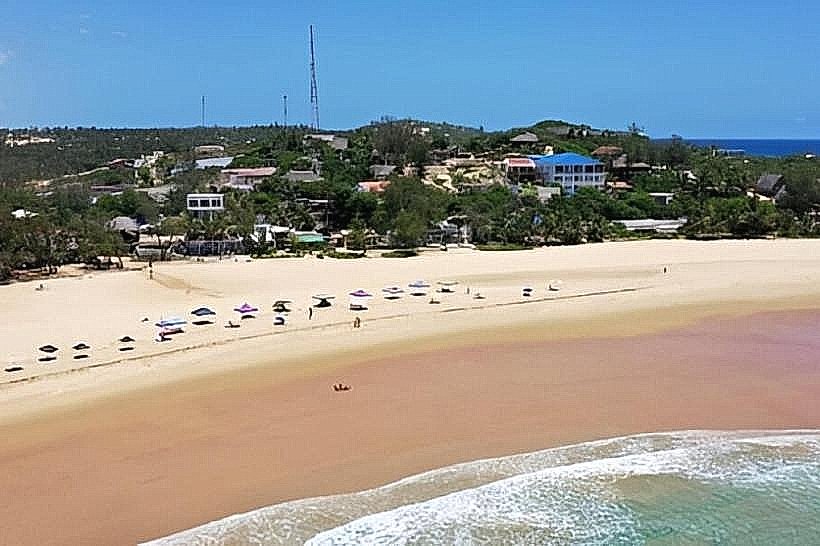
Vilanculos stretches along a gently curving shoreline where tidal flats, sandbanks, and calm lagoons dominate the view at low tide. The town rises gradually inland from the beach, with sandy streets, scattered palms, and low buildings painted in sun-faded pastels. Small neighborhoods blend seamlessly into one another, and it is common to see fishing boats pulled up near homes, nets drying on fences, and children walking barefoot between the sea and the market. Offshore, the silhouettes of Magaruque, Benguerra, and Bazaruto islands form a hazy horizon that defines the town’s identity.
Historical Background and Community Life
Originally a modest fishing settlement, Vilanculos developed through centuries of Indian Ocean trade routes linking East Africa with Arabia and Asia. The name comes from a local chief, and the town’s growth has always been tied to the sea. Today, the population is a mix of local Tsonga and Chopi communities, long-established families, and newcomers drawn by tourism and small business. Portuguese is the main language of administration, while local languages dominate daily life. Cultural continuity is visible in fishing methods, music rhythms, and communal gatherings that still structure everyday routines.
Daily Rhythm and Local Culture
Mornings begin early, often before sunrise, when fishermen push wooden boats into the water and return a few hours later with their catch. The central market becomes most active mid-morning, filled with the smell of fresh fish, cassava, tomatoes, mangoes, and spices laid out on woven mats. Women balance baskets on their heads, vendors call out prices, and chapa minibuses arrive from nearby villages. Afternoons slow down under the heat, while evenings bring cooler air, social visits, and informal beachside gatherings as the sun sets behind the town.
Beaches and Coastal Experience
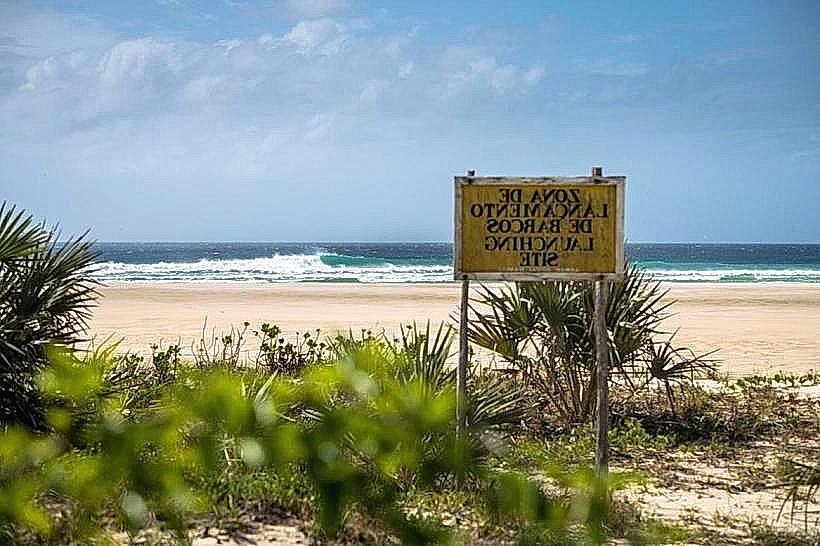
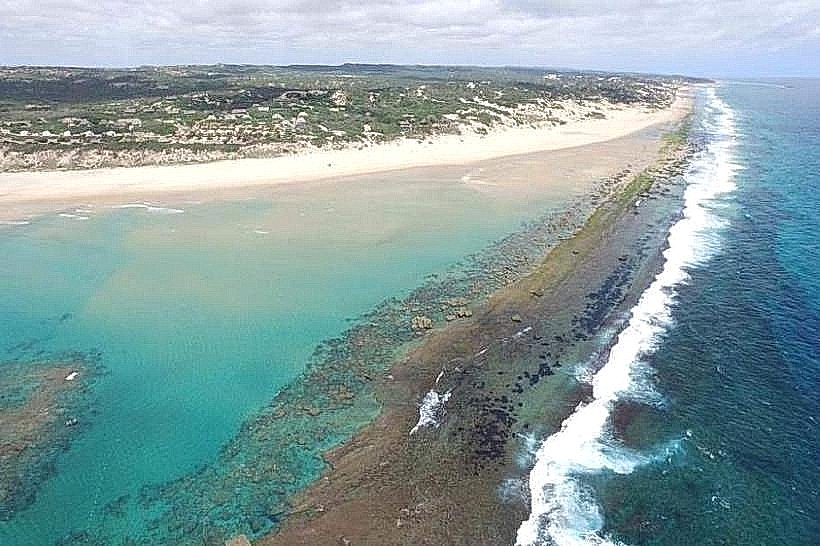
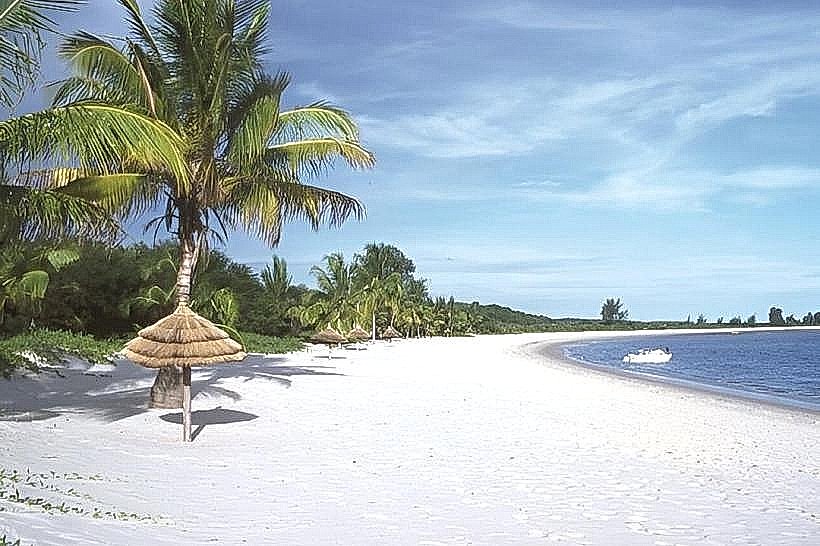
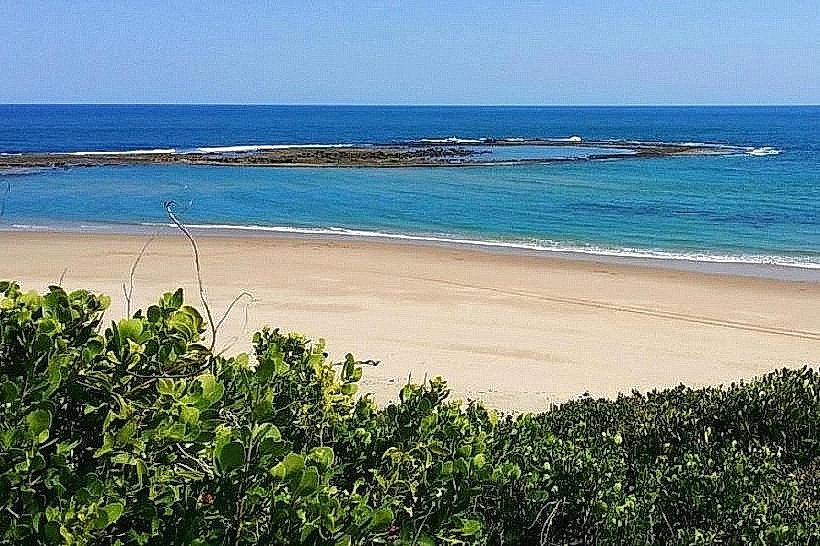
Vilanculos Beach is long, wide, and tidal, changing character throughout the day. At low tide, shallow pools and sandbars appear, creating mirror-like reflections and long walks out toward the water. At high tide, the sea laps close to the shore, ideal for swimming, kayaking, and launching boats. The beach is not heavily developed, which preserves its relaxed feel. Locals and visitors share the space naturally, with fishermen mending nets nearby and children playing football on the sand.
Connection to the Bazaruto Archipelago
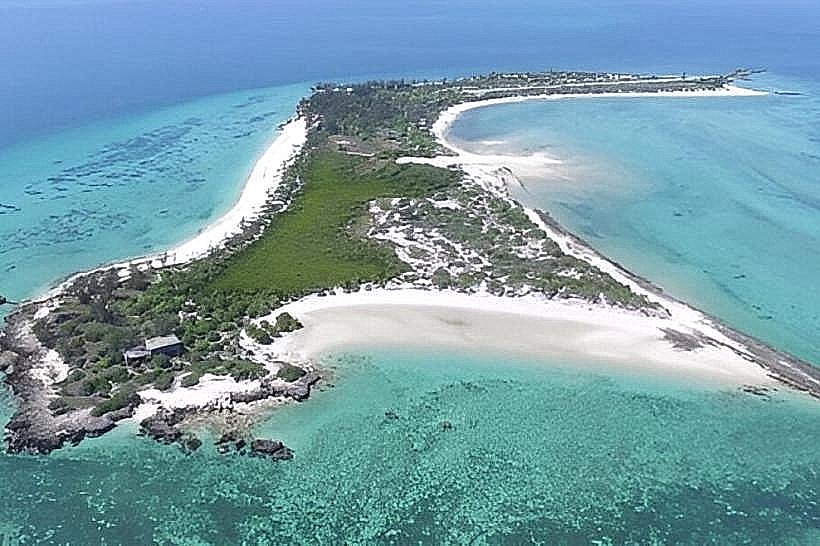
The town’s strongest pull lies offshore. From Vilanculos, traditional dhows and modern boats head daily toward the Bazaruto Archipelago Marine National Park. These islands are known for coral reefs, dugongs, dolphins, sea turtles, and seasonal whale sightings. Vilanculos serves as the logistical base for snorkeling trips, scuba diving, island picnics, and scenic flights. Even from town, the presence of the archipelago shapes conversations, livelihoods, and the visual landscape.
Food and Culinary Character
Cuisine in Vilanculos reflects its coastal setting and Portuguese influence. Fresh prawns, calamari, lobster, and grilled fish appear on most menus, often seasoned simply with garlic, lemon, and peri-peri. Local staples such as xima (maize porridge), coconut-based sauces, and matapa made from cassava leaves are common in family-run eateries. Beachfront restaurants and informal bars serve cold drinks and seafood platters, especially popular at sunset when the sky turns orange and purple over the bay.
Tourism and Accommodation Style
Tourism has grown steadily but remains low-key. Accommodation ranges from small guesthouses and eco-lodges to boutique beachfront resorts, many built with natural materials and open layouts that suit the climate. The town attracts divers, kite-surfers, anglers, and travelers seeking a calm alternative to busier resort destinations. Despite tourism, Vilanculos retains a lived-in feel, where daily local life remains visible and accessible rather than hidden behind resort walls.
Transport and Accessibility
Vilanculos has a small but important airport with connections to Maputo and regional hubs, making it one of the more accessible coastal towns in Mozambique. Within town, movement is informal and slow, relying on walking, bicycles, tuk-tuks, and minibuses. This ease of movement reinforces the relaxed atmosphere and allows visitors to engage naturally with local life.
Overall Character
Vilanculos Town is defined by balance. It is a working coastal community and a travel destination, a place of routine and discovery. Its appeal lies not in spectacle but in texture: the creak of boats at dawn, market chatter under the sun, salt in the air, and islands glowing offshore. The town offers a grounded, authentic Mozambican coastal experience, shaped by the sea and lived at an unhurried rhythm.