Information
Landmark: Bazaruto Archipelago National ParkCity: Inhambane
Country: Mozambique
Continent: Africa
Bazaruto Archipelago National Park, Inhambane, Mozambique, Africa
Bazaruto Archipelago National Park lies just offshore from Vilanculos, stretching across a chain of islands and surrounding waters that form one of Mozambique’s most important protected marine landscapes. It is a place where sand dunes meet coral reefs, where traditional fishing culture coexists with conservation, and where the Indian Ocean shows its gentler, more luminous side.
Setting and Composition
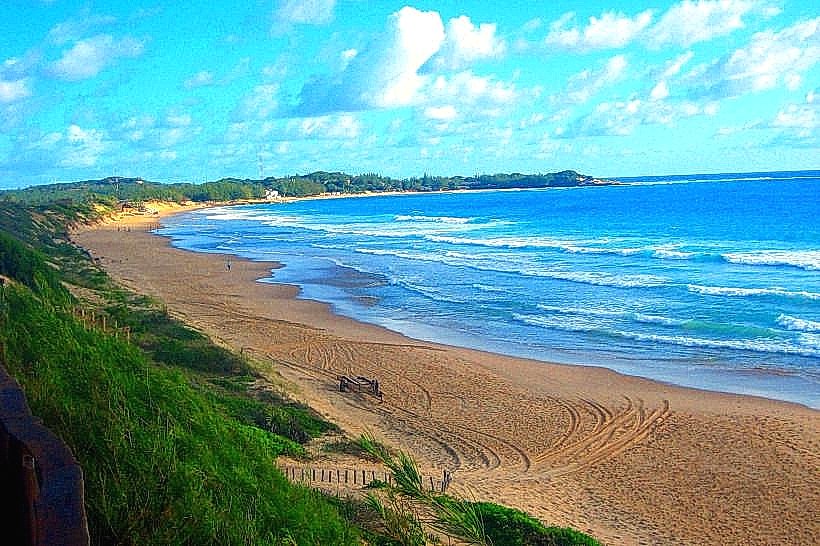
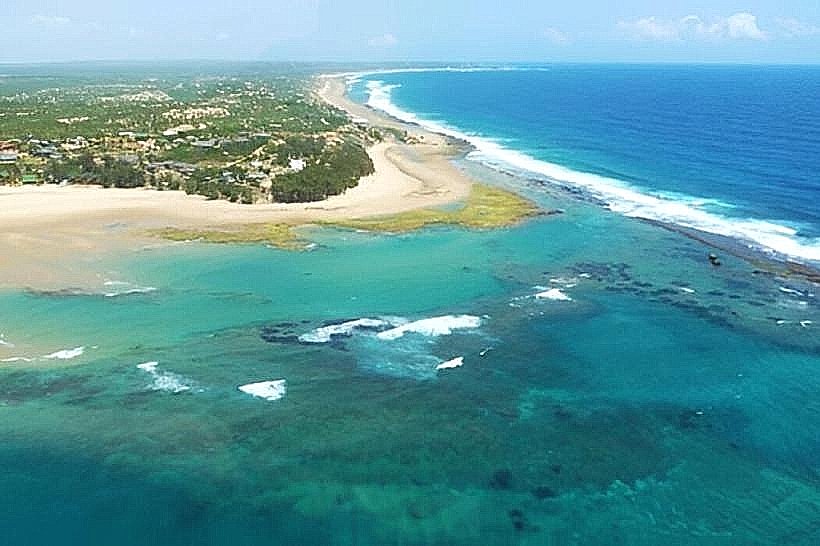
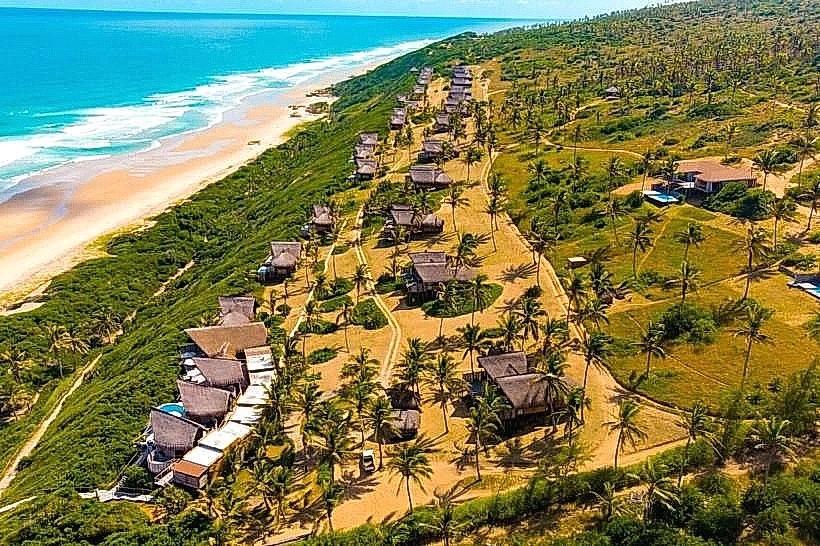
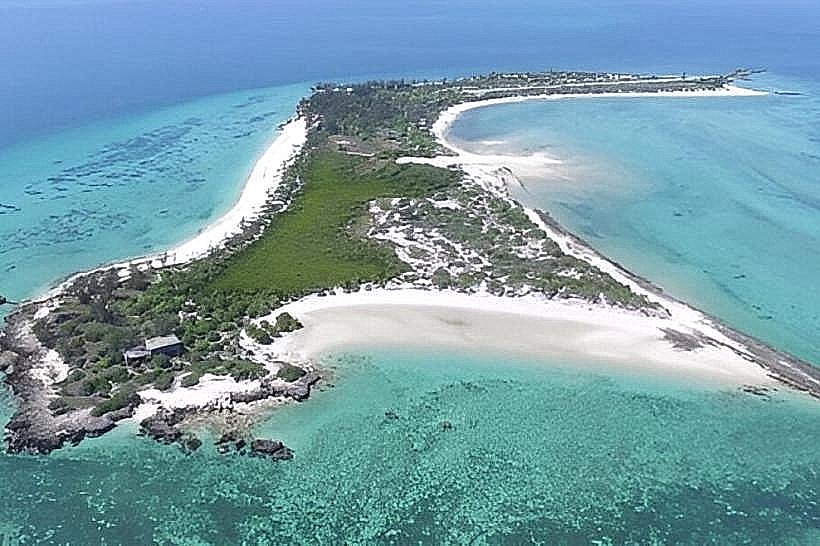
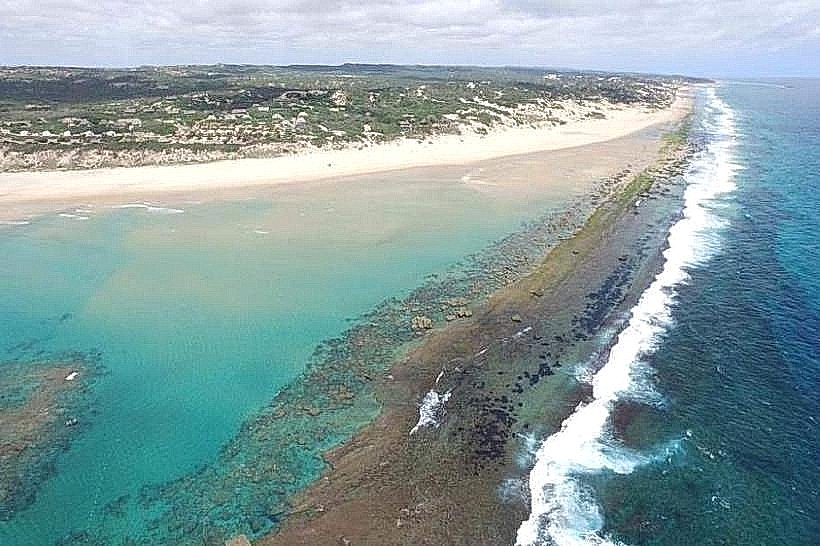
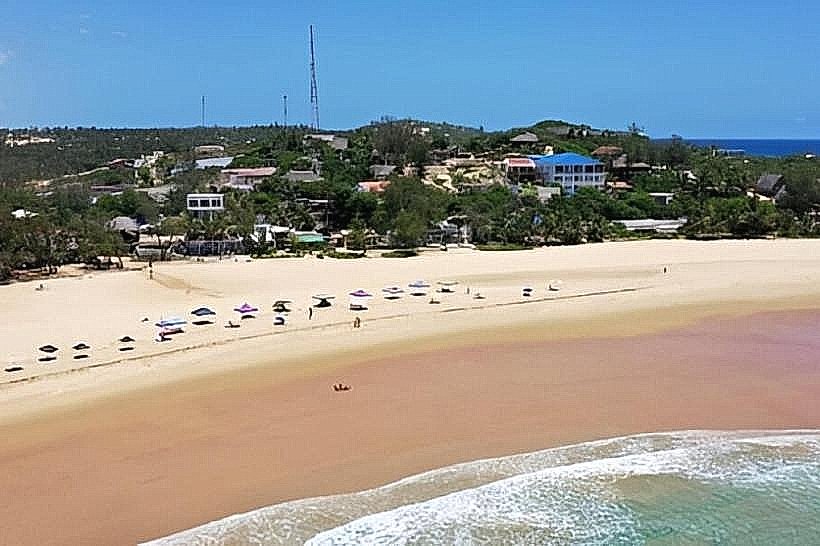
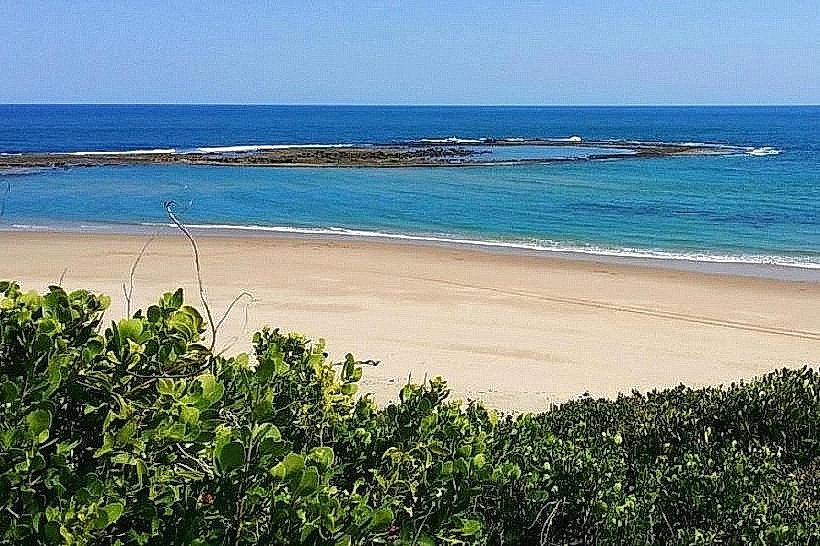
The park encompasses several main islands, most notably Bazaruto, Benguerra, Magaruque, Santa Carolina, and Bangue, along with extensive coral reefs, seagrass meadows, tidal flats, and open ocean. From the air, the archipelago looks almost unreal: long white beaches curve around turquoise shallows, deep-blue channels cut between islands, and pale dunes rise behind the shoreline like soft hills of light. The islands are sparsely populated, giving the entire area a sense of space and quiet that feels increasingly rare.
Natural Landscapes and Atmosphere
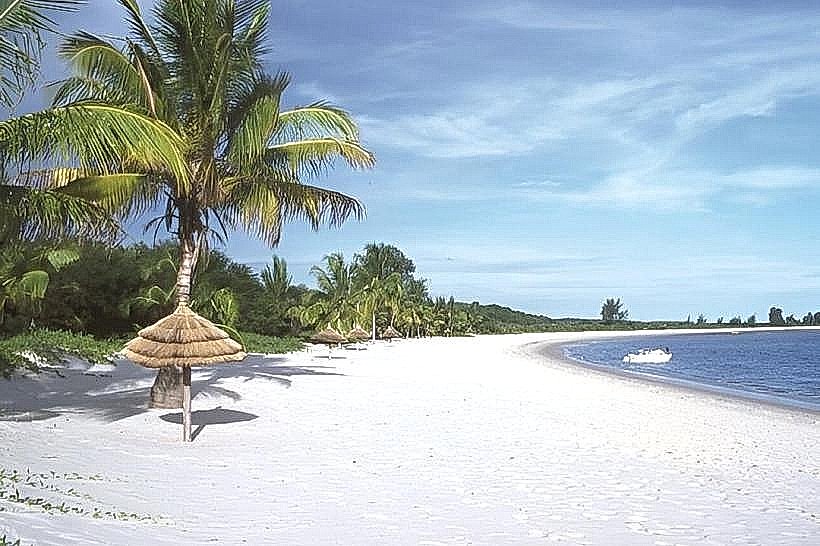
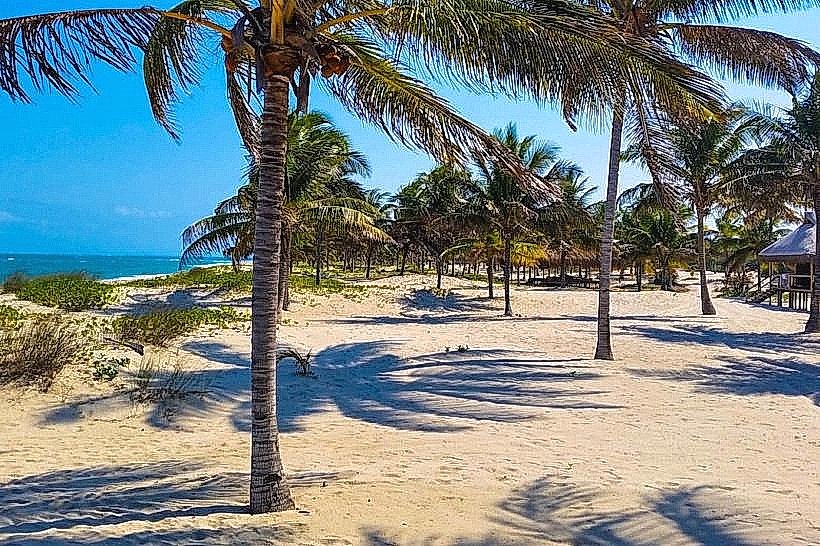
Each island has its own character. Bazaruto Island is defined by towering sand dunes that shift with the wind, offering sweeping views across the sea. Benguerra feels greener and more intimate, with palm-lined beaches and sheltered bays. Magaruque is low and flat, ringed by reefs and shallow lagoons. The constant presence of wind, water, and light shapes the mood of the park. Mornings are often calm and glassy, while afternoons bring breezes that ripple the surface of the sea and cool the air.
Marine Life and Ecological Importance
Bazaruto Archipelago National Park is internationally recognized for its biodiversity. It protects one of the last viable populations of dugongs in the western Indian Ocean, animals that glide slowly through the seagrass beds offshore. Dolphins are frequently seen riding boat wakes, sea turtles nest on the beaches, and humpback whales pass through during migration seasons. Beneath the surface, coral reefs support colorful fish, rays, reef sharks, and countless invertebrates, making the park a vital ecological refuge.
Cultural Presence and Traditional Life
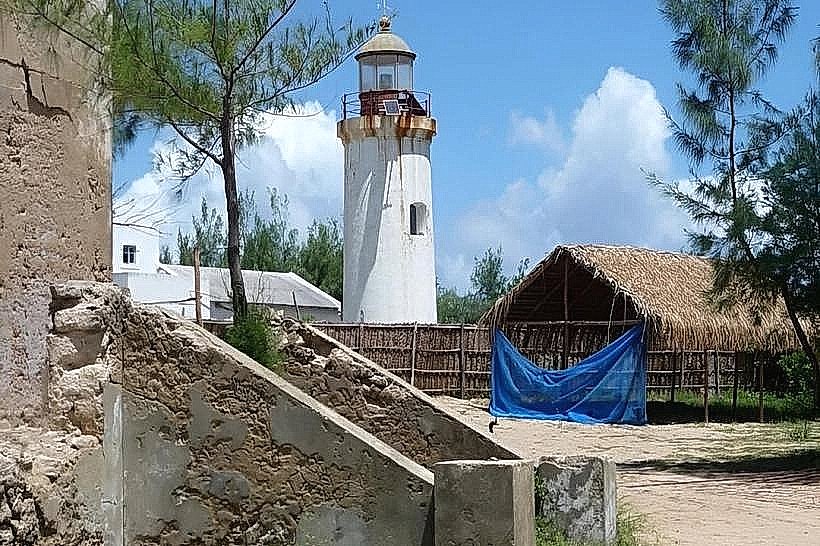
Despite its protected status, the park is not an empty wilderness. Small island communities have lived here for generations, relying on fishing, boat building, and intimate knowledge of tides and currents. Traditional wooden dhows still sail between islands, their lateen sails catching the wind much as they have for centuries. This human presence adds depth to the landscape, reminding visitors that the archipelago is both a natural sanctuary and a cultural seascape shaped by daily life.
Visitor Experience and Activities
Exploring the park is typically done by boat from Vilanculos or island-based lodges. Snorkeling reveals clear water and healthy reefs close to shore, while diving offers encounters with larger marine species along reef edges and channels. Sandbank picnics appear and disappear with the tide, creating fleeting beaches surrounded by shallow water. Climbing the dunes on Bazaruto Island is a quiet highlight, where the effort is rewarded with wide horizons and the sound of wind moving across sand.
Conservation and Protection
Established as a national park to safeguard fragile ecosystems, Bazaruto Archipelago is managed with a focus on marine conservation, controlled fishing, and low-impact tourism. Regulations limit overuse while allowing traditional practices to continue in designated areas. This balance between protection and livelihood is central to the park’s identity and long-term survival.
Overall Character
Bazaruto Archipelago National Park is defined by harmony rather than drama. Its beauty unfolds slowly, through changing tides, subtle colors, and moments of stillness broken by passing wildlife or a sail on the horizon. It offers an experience rooted in nature, scale, and rhythm, leaving visitors with a strong sense of how closely land, sea, and human life are woven together along Mozambique’s coast.