Information
City: BeiraCountry: Mozambique
Continent: Africa
Beira, Mozambique, Africa
Beira is the capital of Sofala Province and the second-largest city in Mozambique. Located at the mouth of the Pungwe River where it meets the Indian Ocean, it serves as the primary gateway for the "Beira Corridor," providing essential sea access for landlocked Zimbabwe, Malawi, and Zambia.
Historical Timeline
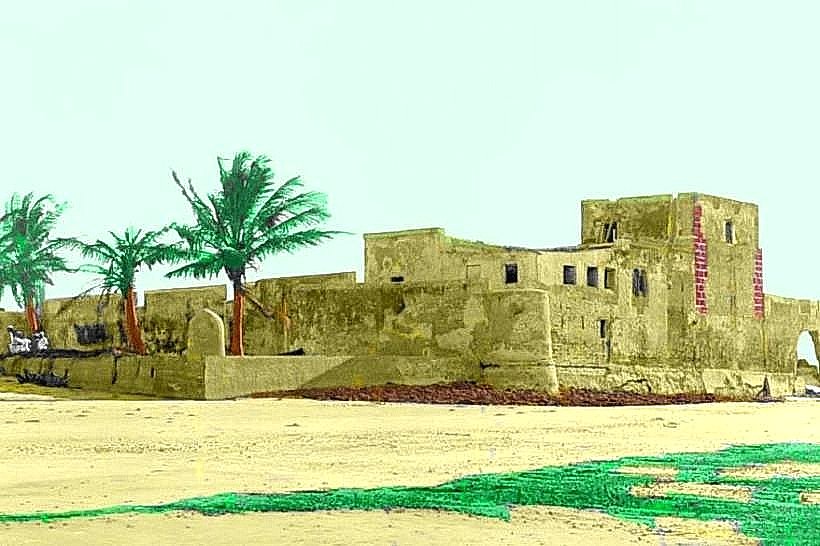
Beira was developed by the Mozambique Company starting in the 1890s and officially established as a city in 1907. It replaced the Island of Mozambique as a regional economic powerhouse due to its deep-water port and the completion of the railway to Rhodesia (now Zimbabwe). During the colonial era, it was a glamorous holiday destination for Southern African tourists. Since independence in 1975, the city has faced significant challenges, including the Mozambican Civil War and catastrophic damage from Cyclone Idai in 2019, which destroyed 90% of the city's infrastructure. It is currently in a phase of climate-resilient reconstruction.
Demographics & Population
The 2026 metro population is estimated at 635,000. The population is predominantly Sena and Ndau. Portuguese is the official language and primary lingua franca, though many residents speak Sena in daily life. There is a significant and influential community of Indian and Chinese descent involved in the city's commercial and shipping sectors.
Urban Layout & Key Districts
Beira is built on swampy, low-lying land, much of it below sea level at high tide, necessitating an extensive system of canals and drainage.
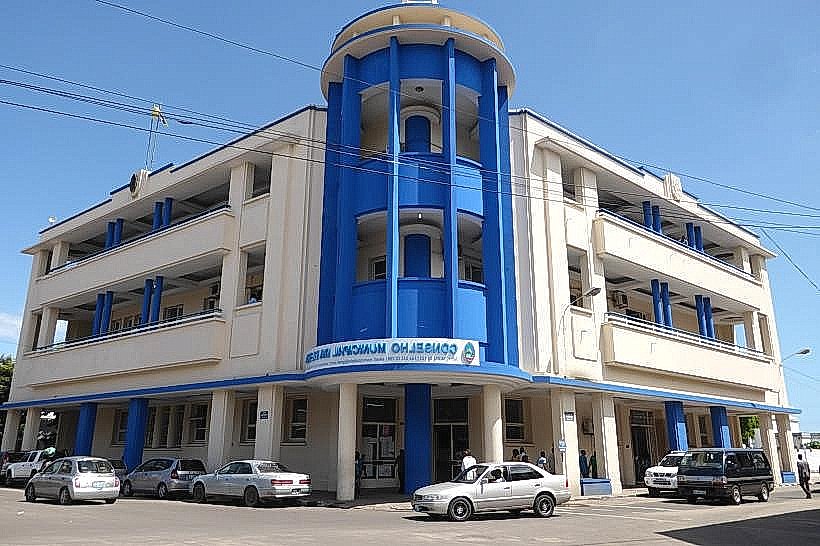
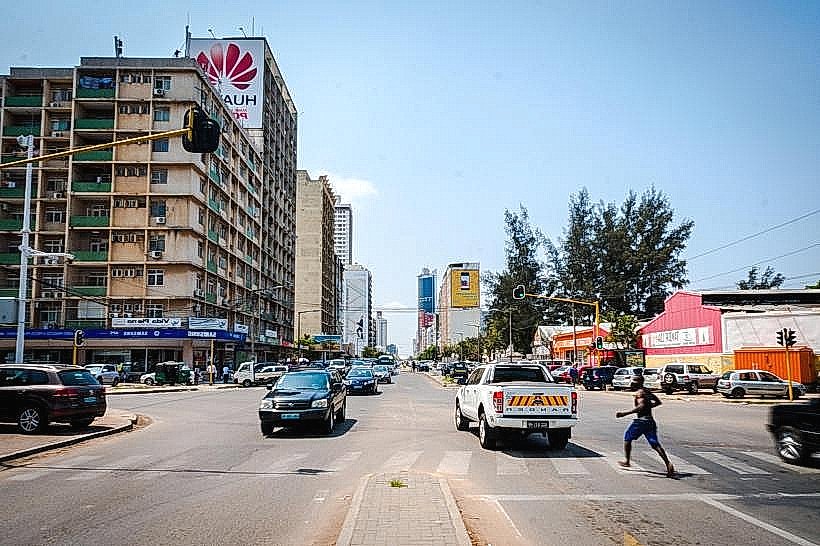
Baixa (Downtown): The historic center containing the port, central bank, and colonial-era offices.
Chaimite: The central residential and commercial zone.
Macuti: An upscale coastal neighborhood known for its lighthouse and residential villas.
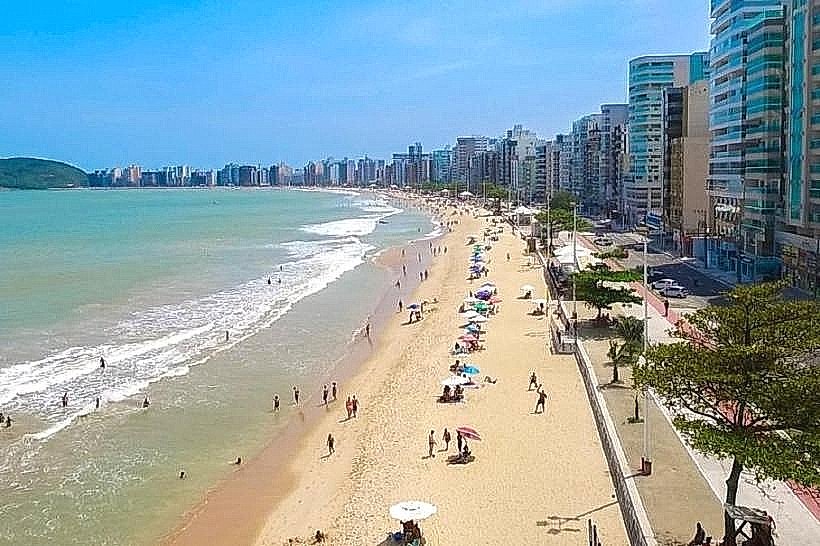
Ponton d'Estoril: The former luxury tourist strip along the coast, now featuring a mix of ruins and new developments.
Munhava: A densely populated industrial and residential district.
Top City Landmarks
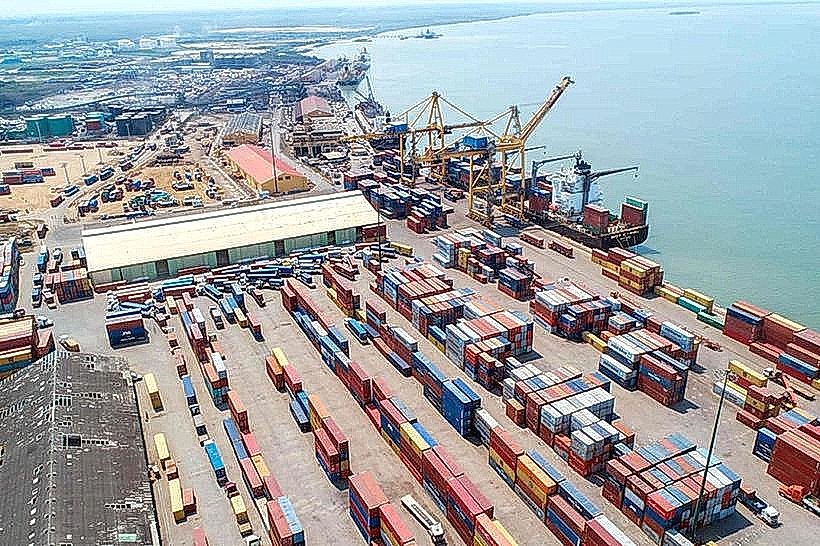
The Port of Beira: The city’s economic heart and a massive logistical hub for Southeast Africa.
Macuti Lighthouse: A red-and-white striped landmark on the coast, iconic to the city’s skyline.
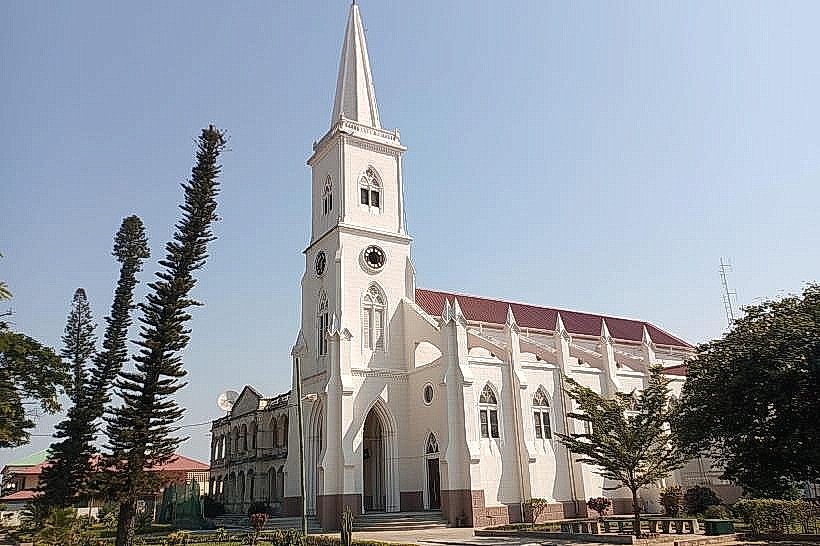
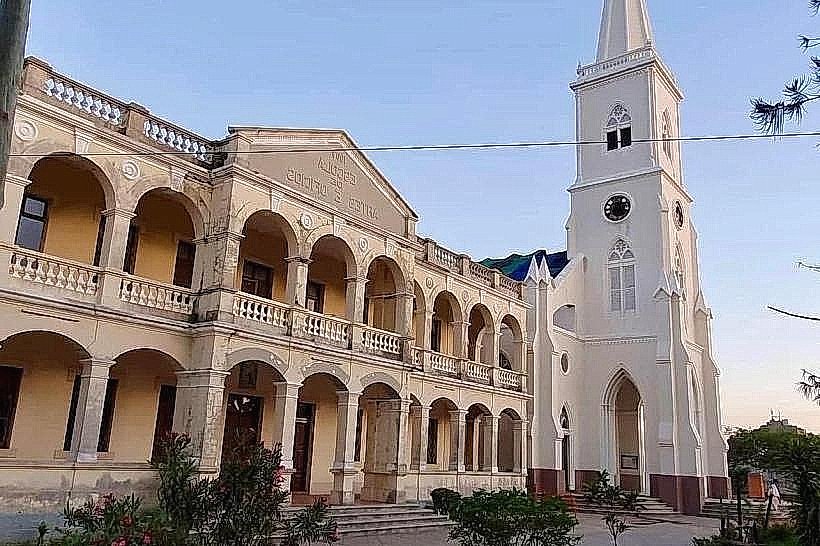
Beira Cathedral (Catedral de Nossa Senhora do Rosário): Built with stones from the 16th-century Fort of Sofala.
Grande Hotel Beira: Once the most luxurious hotel in Africa, it is now a world-famous "vertical slum" inhabited by thousands of squatters; it remains a stark architectural monument.
Praça do Município: The central city square, surrounded by colonial administrative buildings.
Transportation Network
Maritime: The Port of Beira is the second largest in Mozambique, specializing in coal, grain, and container shipping.
Rail: The Machipanda Line connects Beira directly to Zimbabwe, and the Sena Line connects it to the Tete coal mines.
Aviation: Beira International Airport (BEW) provides domestic links to Maputo and Nampula, and regional links to Johannesburg and Harare.
Public Transit: Chapas (minibuses) and bicycle taxis (txopelas) are the primary modes of local movement.
Safety & "Red Zones"
Current Status: Exercise High Caution.
Beira has a higher rate of street crime (mugging) than Inhambane, particularly in the Baixa and the Estoril beach areas after dark. Police presence is high, but corruption is a documented issue. The city is highly vulnerable to seasonal cyclones (November–April); travelers should monitor weather alerts strictly. Avoid the Grande Hotel interior unless accompanied by a local guide for safety reasons.
Digital & Financial Infrastructure
Internet: 4G/LTE is reliable in the city center via Vodacom and Movitel. Average speeds: 15–25 Mbps.
Banking: The currency is the Metical (MZN). Major banks (BCI, Millennium BIM) have ATMs in the Baixa and Macuti.
Payments: Credit card acceptance is low outside of major hotels and supermarkets. M-Pesa is the dominant form of payment for locals.
Climate & Air Quality
Beira has a tropical savanna climate. It is extremely humid year-round. Temperatures range from 16°C to 32°C. Air quality is generally moderate, though dust and smoke from burning waste are common in peripheral districts. The city is one of the most climate-vulnerable cities in the world due to rising sea levels.
Culture & Social Norms
Beira is known for its relaxed "beira-mar" (seaside) culture. Tipping is appreciated (approx. 5–10%). Residents are known for their resilience. Formal greetings in Portuguese are standard. Seafood (specifically prawns and crab) is a central part of the local identity.
Local Cost Index
1 Espresso: USD 1.20 (75 MZN)
1 Standard Lunch: USD 8.00 (510 MZN)
1 Short Taxi Trip: USD 4.00 (250 MZN)
Nearby Day Trips
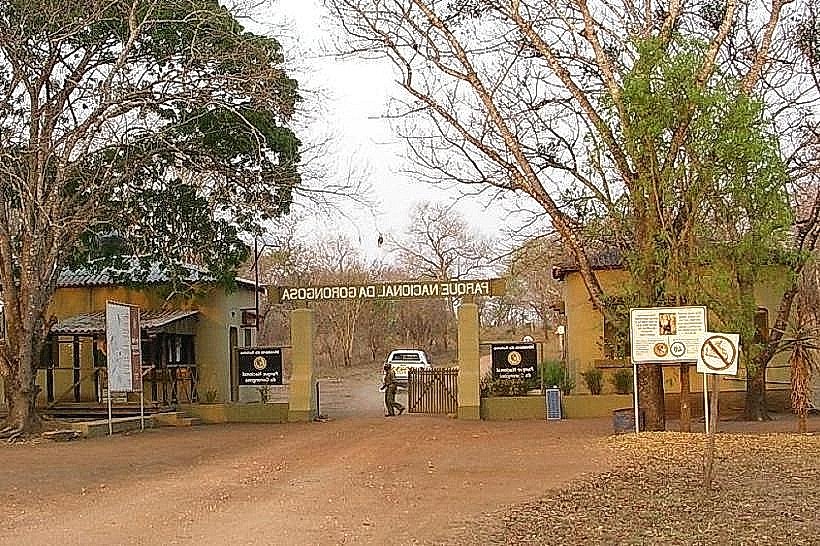
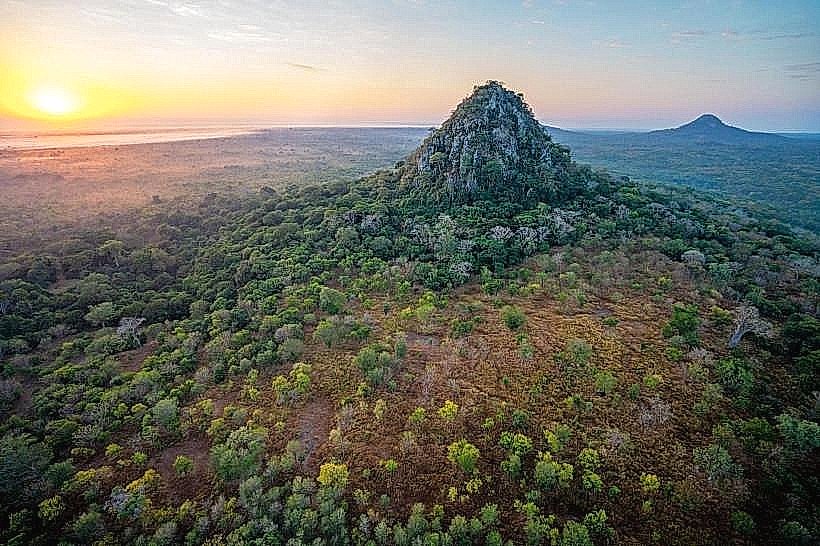
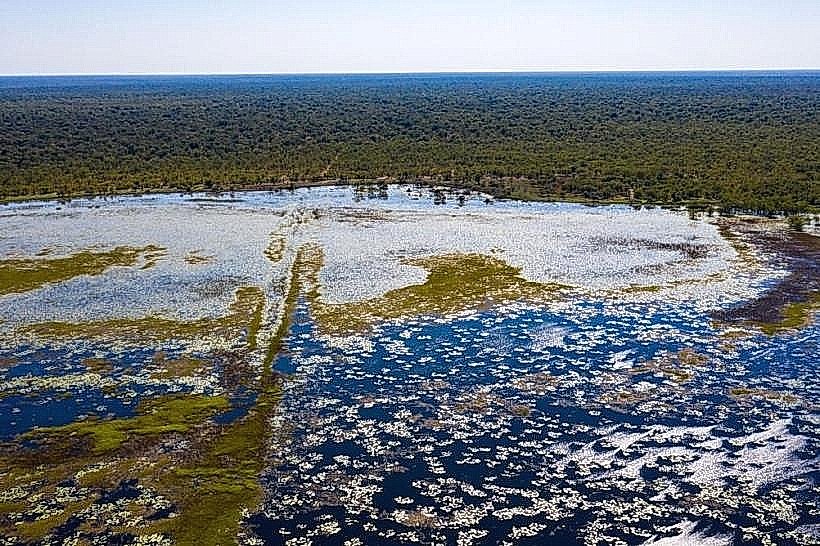
Gorongosa National Park (200 km): Mozambique's flagship wildlife restoration project; requires a 3–4 hour drive.
Savane Beach (30 km): A rugged, beautiful beach located north of the city.
Facts & Legends
A local legend claims that the city is protected by the "Spirit of the Pungwe," which requires respect to prevent the sea from reclaiming the land. Historically, Beira was named after the Prince of Beira (King Carlos I of Portugal). It is the only city in the world where a massive 1950s luxury hotel (The Grande Hotel) functions as a self-governing city-within-a-city for nearly 3,500 residents.