Information
City: NampulaCountry: Mozambique
Continent: Africa
Nampula, Mozambique, Africa
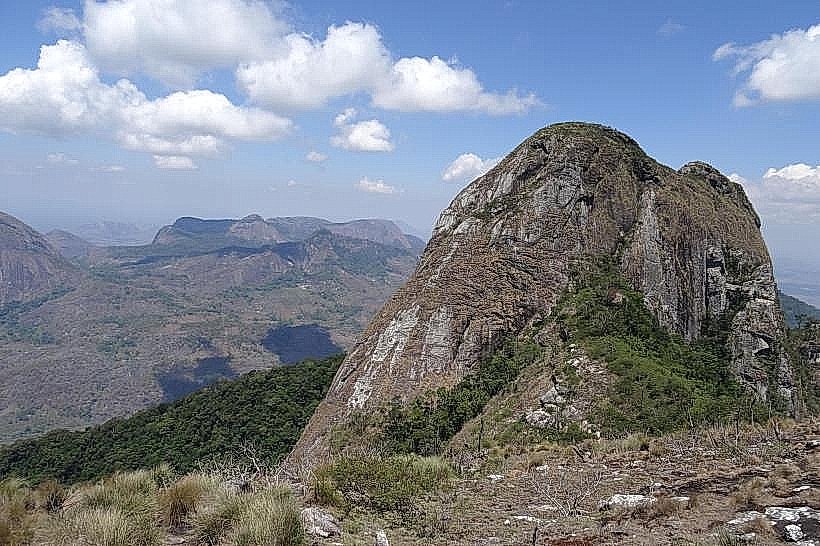
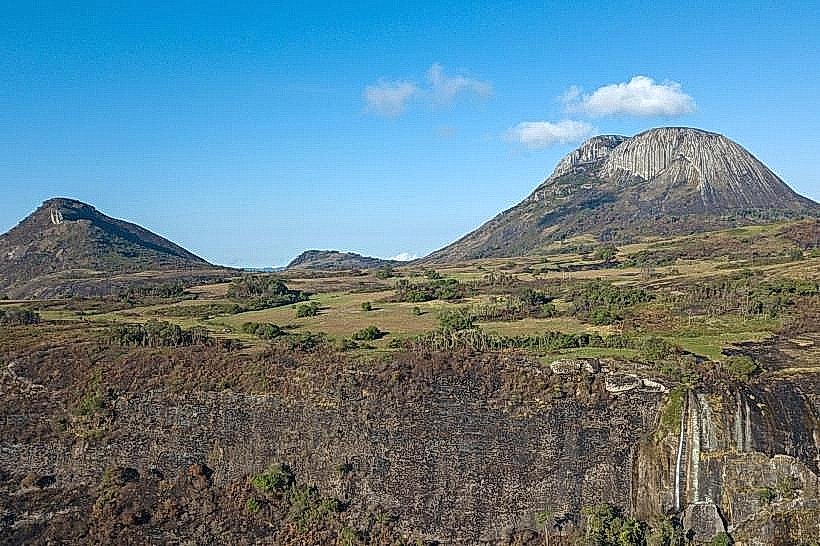
Nampula is the capital of Nampula Province and the undisputed commercial and logistical center of northern Mozambique. Located on an inland plateau surrounded by massive granite inselbergs (island mountains), it serves as the primary junction for the Northern Development Corridor, linking the deep-water port of Nacala to the coal mines of Tete and the landlocked nation of Malawi.
Historical Timeline
The city’s importance grew significantly in the 1930s when the Portuguese colonial administration moved the military headquarters from the Island of Mozambique to the mainland to better control the interior. It was elevated to city status in 1956. During the Mozambican Civil War, its strategic position on the railway made it a vital government stronghold. Since 1992, Nampula has experienced rapid, often unregulated, urban expansion as a hub for the cotton, tobacco, and cashew industries.
Demographics & Population
The 2026 population is estimated at approximately 950,000, making it the third-largest city in the country. The dominant ethnic group is the Macua (the largest ethnic group in Mozambique). Portuguese is the official language, but Emakhuwa is the primary tongue of daily life. The city has a significant and long-standing community of Indian and Lebanese traders.
Urban Layout & Key Districts
The city is characterized by its dramatic natural backdrop of massive rounded granite peaks.
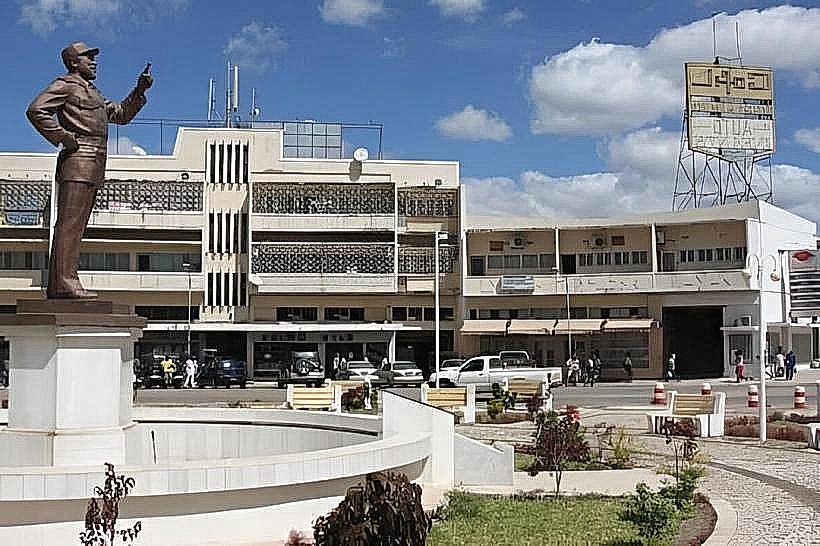
The Center: A colonial-era grid featuring wide avenues, the cathedral, and the main administrative buildings.
Muhala: A high-density residential and commercial district.
Namutequeliua: A rapidly growing residential area.
Industrial Zone: Located along the railway line and the road toward Nacala.
Top City Landmarks
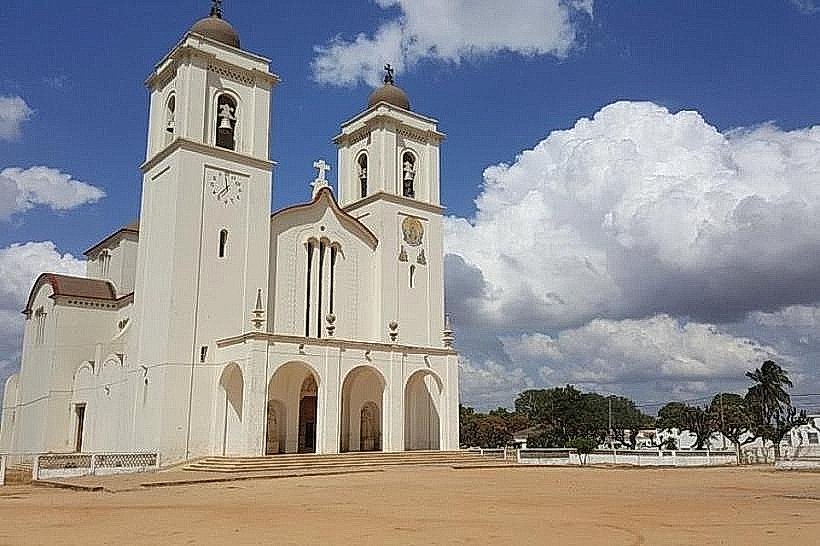
Nampula Cathedral (Catedral de Nossa Senhora da Conceição): A massive, twin-towered modernist structure that dominates the city center.
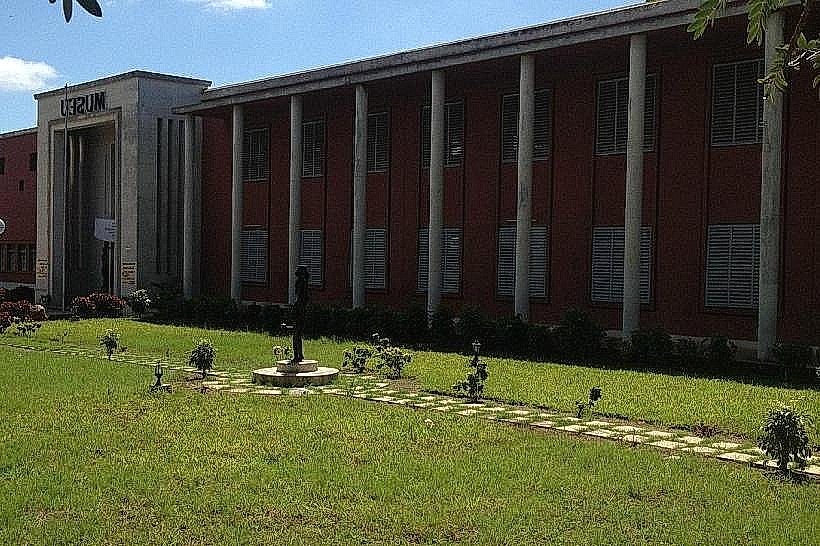
Ethnographic Museum: One of the best in the country, showcasing Macua culture, traditional masks, and musical instruments.
The Inselbergs: The granite rock formations surrounding the city, particularly "Mount Namuli" (nearby) and various unnamed domes that define the skyline.
Central Market: A sprawling, high-intensity hub for textiles, agricultural produce, and northern Mozambican crafts.
Transportation Network
Nampula is the logistical "pivot" of Northern Mozambique.
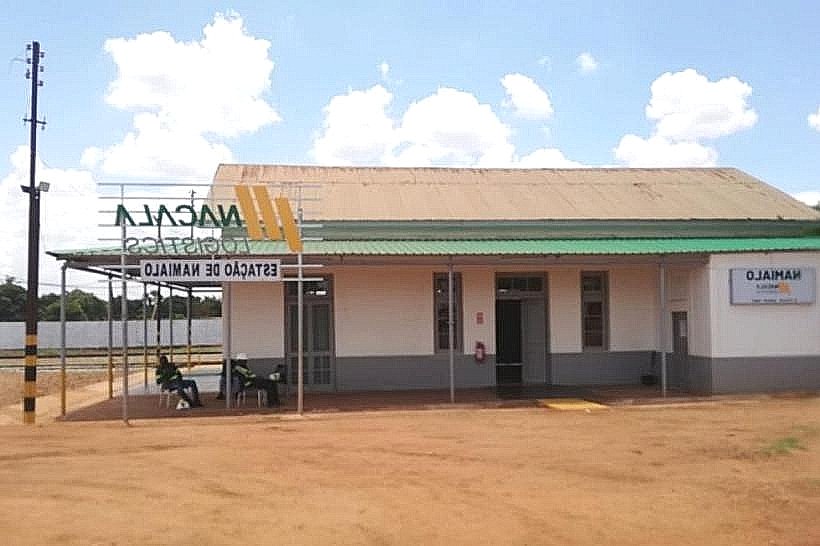
Rail: The Nacala Railway is a world-class heavy-haul line. Passenger services connect Nampula to Cuamba (near the Malawi border) and Nacala.
Roads: The city sits at the intersection of the N1 (north-south) and the N13 (west to Malawi).
Aviation: Nampula International Airport (APL) is a major hub for domestic flights and regional links to Nairobi and Johannesburg.
Public Transit: Movement is dominated by chapas and a very high density of bicycle taxis and "motor-taxis" (txopelas).
Safety & "Red Zones"
Current Status: Exercise High Caution.
Nampula is generally stable, but street crime (muggings and phone snatching) is prevalent in the city center and near the railway station. As of 2026, while the insurgency in neighboring Cabo Delgado province has displaced many people toward Nampula, the city itself has not seen direct combat. However, travel north of the city toward the Cabo Delgado border is strictly discouraged due to the risk of extremist activity.
Digital & Financial Infrastructure
Internet: 4G is reliable in the center via Vodacom and Movitel. Average speeds: 15–25 Mbps.
Banking: The currency is the Metical (MZN). There is a high concentration of ATMs in the central grid.
Finance: Card acceptance is higher here than in Beira, specifically in business-class hotels and supermarkets catering to the railway and mining industries.
Climate & Air Quality
Nampula has a tropical savanna climate. It is significantly less humid than the coastal cities but very hot. Temperatures range from 16°C to 35°C. Air quality is generally moderate, though seasonal agricultural burning in the surrounding plateau often creates a hazy horizon.
Culture & Social Norms
The city is the heart of Macua culture. You will frequently see women wearing musiro, a white paste made from ground bark used for skin protection and as a cultural symbol. Tipping is appreciated (approx. 5–10%). Conservative dress is expected in administrative and religious settings.
Local Cost Index
1 Espresso: USD 1.40 (90 MZN)
1 Standard Lunch: USD 9.00 (575 MZN)
1 Bicycle Taxi Trip: USD 0.50 (30 MZN)
Nearby Day Trips
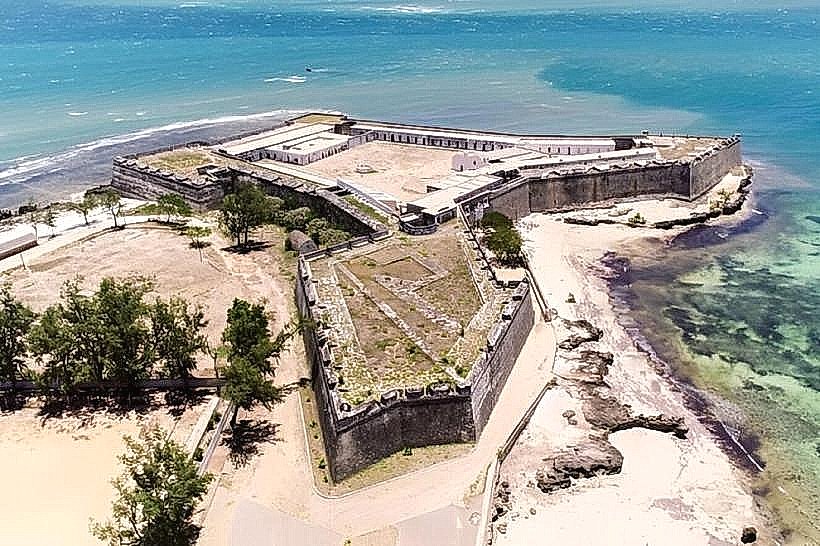
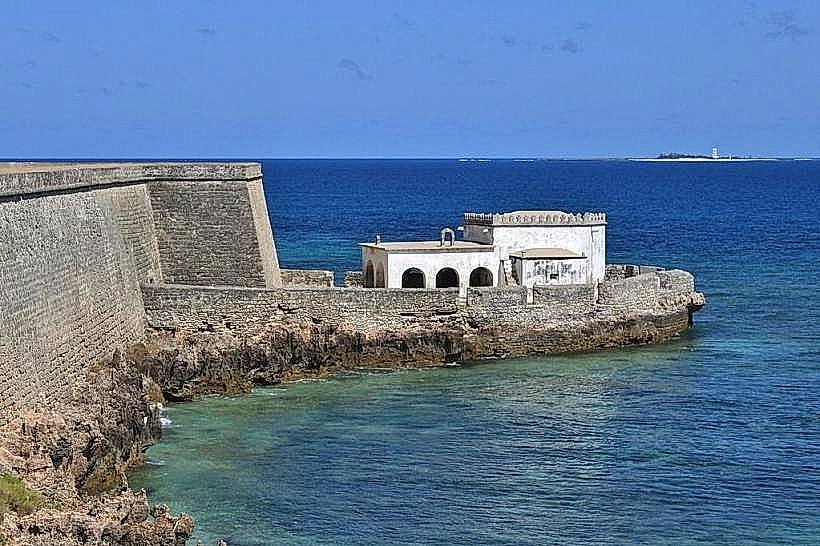
Island of Mozambique (180 km): A UNESCO World Heritage site and former capital; a 2.5-hour drive on paved roads.
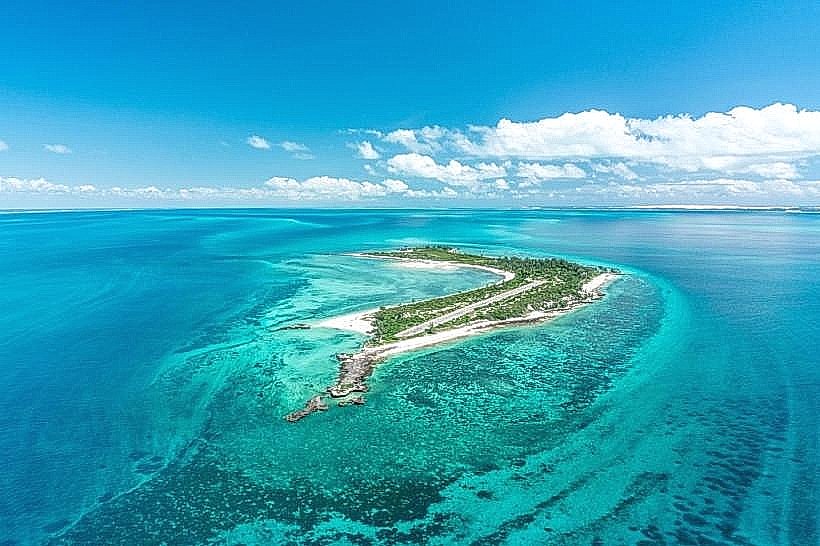
Chocas Mar (190 km): A popular beach destination near the Island of Mozambique.
Facts & Legends
Nampula is known as the "Capital of the North." A local Macua legend says the giant granite boulders surrounding the city are the petrified bodies of ancient protectors of the tribe. Historically, the city’s rapid growth was so unexpected that the original Portuguese urban plan for 30,000 people was overwhelmed within a single decade of the railway's completion.