Information
Landmark: Nampula Railway StationCity: Nampula
Country: Mozambique
Continent: Africa
Nampula Railway Station, Nampula, Mozambique, Africa
Nampula Railway Station is a central landmark in the city, a functional hub that also reflects the historical importance of rail transport in northern Mozambique. It serves as both a gateway and a point of orientation for locals and travellers alike.
Historical context
The station dates back to the colonial era, when Nampula became a key junction connecting the port of Nacala to inland regions. Its establishment helped turn the city into a commercial and logistical hub, fostering trade in agricultural goods, minerals, and other regional products. Over time, it has remained vital for passenger movement and freight, even as modern road transport has grown.
Architecture and design
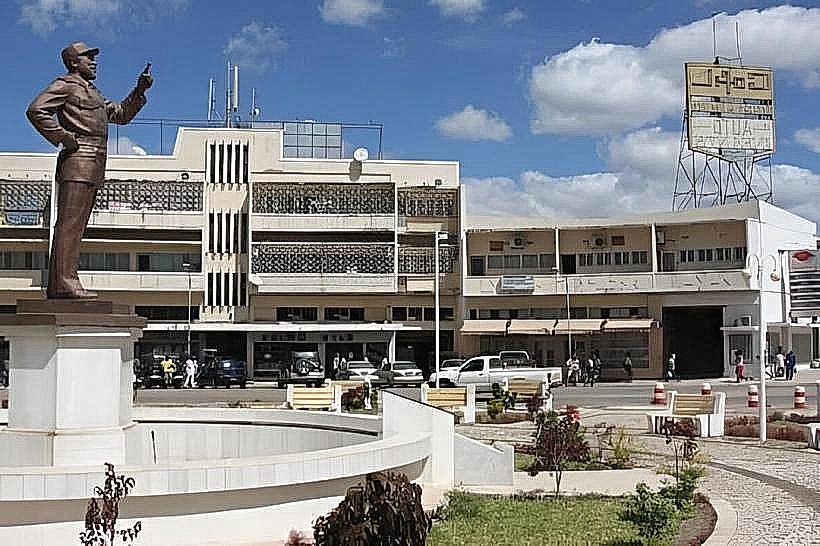
The building is practical and unpretentious, with a rectangular form, large windows, and a gently pitched roof. The façade is painted in soft pastel tones, weathered in places by sun and rain, giving it a lived-in charm. A simple platform extends outward, lined with benches and sheltered areas for waiting passengers. Signage is clear but minimal, emphasizing utility over decoration.
Daily life and atmosphere
The station is consistently busy. Trains arrive and depart with a punctual rhythm, and porters, conductors, and ticket sellers move efficiently through the space. Vendors often set up small stands nearby, selling snacks, water, and newspapers to travellers. The air carries a mixture of diesel, dust, and the faint aroma of roasted peanuts from street stalls, creating a distinct sensory experience.
Visitor experience
For a visitor, the station provides more than a point of transit. Observing the flow of people-students, traders, families, and workers-offers insight into the rhythms of life in Nampula. The pace is energetic but not frantic, a reflection of the city’s role as a regional hub.
Cultural and practical significance
Nampula Railway Station remains a symbol of connection. It links the city to distant towns, coastal ports, and rural areas, reinforcing its importance in commerce, travel, and regional integration. Beyond function, it stands as a quiet reminder of the historical infrastructure that shaped the city’s growth and continues to anchor daily life.