Information
Landmark: Fort São SebastiãoCity: Nampula
Country: Mozambique
Continent: Africa
Fort São Sebastião, Nampula, Mozambique, Africa
Fort São Sebastião is one of the most iconic historical landmarks in Mozambique, located on the northern tip of Ilha de Moçambique. It stands as a tangible reminder of the island’s strategic importance during the age of Portuguese maritime expansion.
Historical context
Constructed in the early 16th century, Fort São Sebastião is considered the oldest surviving fort in sub-Saharan Africa built by the Portuguese. It was intended to protect the island, a critical stopover on the sea route to India, from rival European powers and local resistance. Over the centuries, it witnessed battles, trade, and the ebb and flow of colonial influence.
Architecture and design
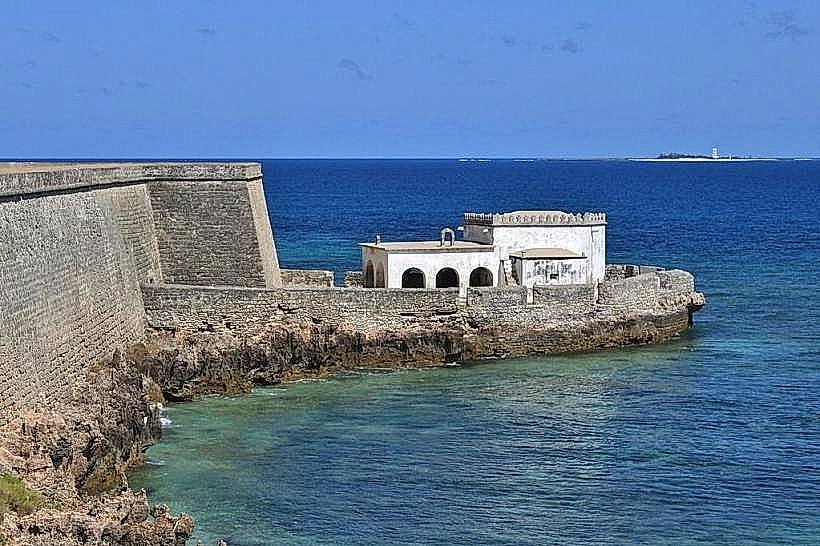
The fort is massive and imposing, built with coral stone and lime mortar, giving its walls a warm, weathered hue. It has high, thick ramparts with cannon openings facing the ocean, while the interior consists of courtyards, storage rooms, and small chapels. Despite centuries of exposure to sea winds and tropical rains, its structure remains remarkably intact, conveying strength and permanence.
Setting and views
Perched at the northern tip of the island, the fort offers commanding views of the Indian Ocean and the surrounding coral reefs. The sight of traditional dhows gliding across turquoise waters from the fort’s walls creates a striking contrast between centuries-old stone and ongoing maritime life. Sunsets viewed from the ramparts are especially vivid, with the light catching both the fort’s textured walls and the rippling ocean.
Visitor experience
Walking through Fort São Sebastião, one can feel the scale and discipline of its defensive design. Narrow staircases, thick doors, and hidden corners speak of its military purpose, while open courtyards allow a moment to breathe and take in the surroundings. Visitors often notice the details in the stonework, the cannon placements, and the quiet echoes of history in what is otherwise a still, contemplative space.
Cultural significance
Beyond its military role, Fort São Sebastião symbolizes the blending of local and colonial histories. It stands as a testament to the island’s role as a crossroads of cultures, trade, and power in the Indian Ocean for over 500 years. Today, it serves as both a historical site and a vantage point, connecting visitors directly to Mozambique’s maritime heritage.
Overall impression
Fort São Sebastião is more than a fortification; it is a living monument. Its combination of architectural solidity, historical weight, and breathtaking coastal views makes it an essential stop for anyone exploring Ilha de Moçambique, offering both perspective on the past and an intimate connection with the present landscape.