Information
Landmark: Ilha de Moçambique (Island of Mozambique)City: Nampula
Country: Mozambique
Continent: Africa
Ilha de Moçambique (Island of Mozambique), Nampula, Mozambique, Africa
Ilha de Moçambique, a narrow coral island off the northern coast of Mozambique, is a place where history, culture, and coastal life converge in a uniquely compact space. Its charm lies in its layered past, colonial architecture, and the rhythm of daily island life.
Historical significance
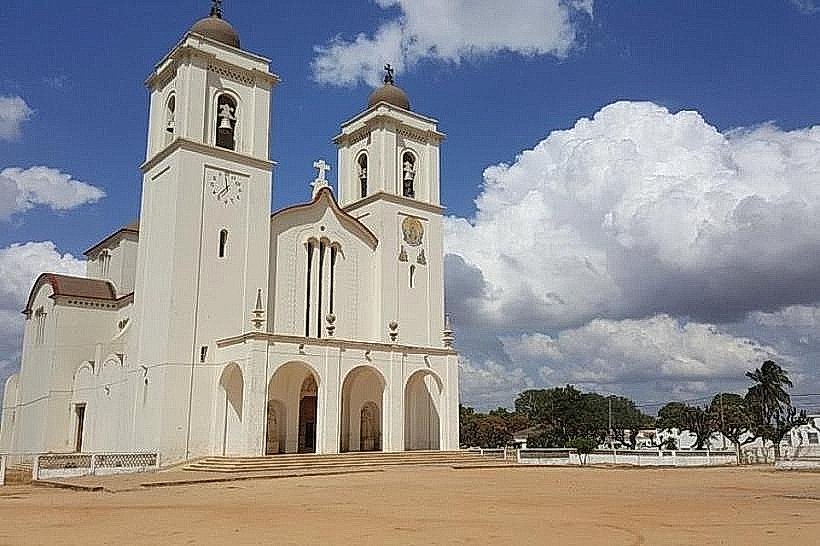
The island was a central hub for Portuguese trade and administration from the 16th century, serving as a key stopover for ships traveling between Europe, India, and East Africa. It became Mozambique’s first capital and retains a wealth of historical architecture that reflects centuries of Portuguese, Arab, and local influences. Fortresses, churches, and colonial houses all testify to its strategic and cultural importance.
Architecture and landmarks
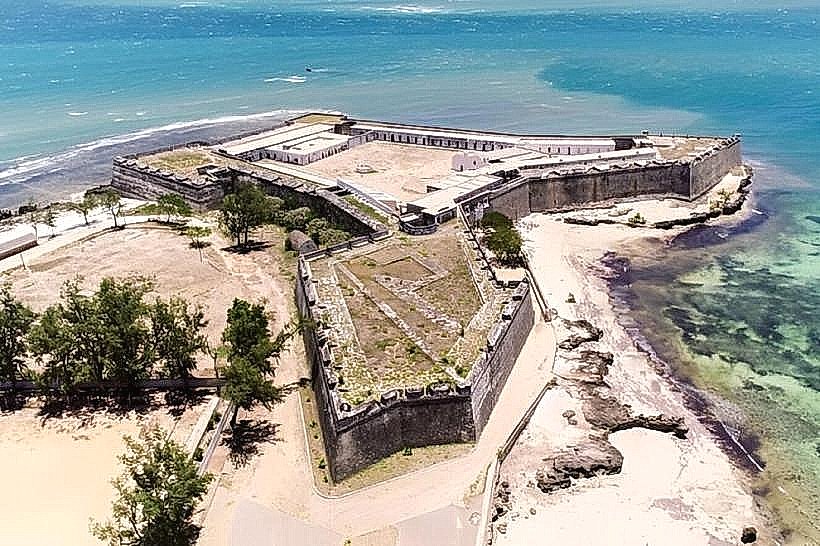
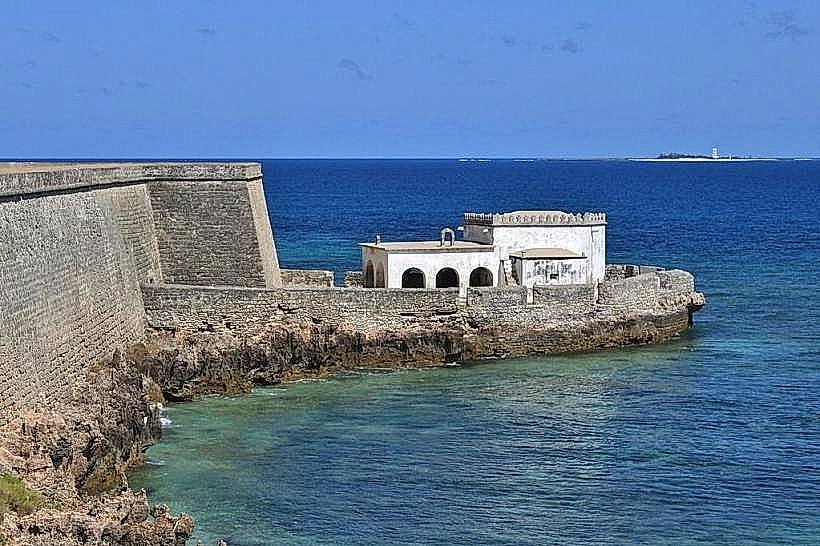
Ilha de Moçambique is divided into two main zones: Stone Town and the newer Island Town. Stone Town is the historical core, with narrow streets lined by coral stone buildings, ornate wooden balconies, and brightly painted facades. Key landmarks include Fort São Sebastião, an imposing 16th-century fortress overlooking the sea, and the Chapel of Nossa Senhora de Baluarte, one of the oldest European-built churches in the southern hemisphere. The island’s lighthouse stands at the northern tip, offering panoramic views of the Indian Ocean.
Culture and daily life
The island is home to a tight-knit community of fisherfolk, traders, and artisans. Dhow boats dot the shoreline, returning with catches that supply local markets. Children play in sandy lanes, while elders sit in shaded verandas observing the day’s rhythm. Swahili, Portuguese, and local languages mingle in conversation, reflecting centuries of cultural fusion. Traditional crafts, including woodcarving and mat weaving, are still practiced alongside the sale of souvenirs for visitors.
Beaches and natural environment
The island is fringed by coral reefs and shallow lagoons, with warm, clear waters perfect for swimming or observing marine life. The sandy beaches are relatively quiet, giving a sense of timelessness as tides shift and boats glide in and out of the harbor. The combination of historical streets and coastal vistas makes Ilha de Moçambique a rare place where heritage and natural beauty coexist closely.
Visitor experience
Exploring the island feels like stepping back in time. Walking through Stone Town, visitors notice the patina on old doors, the faded Portuguese inscriptions, and the way the sun highlights the textures of coral stone walls. Even a short stroll offers glimpses into centuries of trade, faith, and community life. Despite its historical weight, daily life continues unabated, giving the island a lived-in authenticity rather than a museum-like stillness.
Overall significance
Ilha de Moçambique is a UNESCO World Heritage Site, and for good reason. It is a microcosm of Mozambique’s colonial and maritime history, a crossroads of cultures, and a vibrant community bound to the sea. The island’s enduring architecture, cultural practices, and coastal charm make it one of the most evocative destinations in the country.