Information
Landmark: Mount RibáuèCity: Nampula
Country: Mozambique
Continent: Africa
Mount Ribáuè, Nampula, Mozambique, Africa
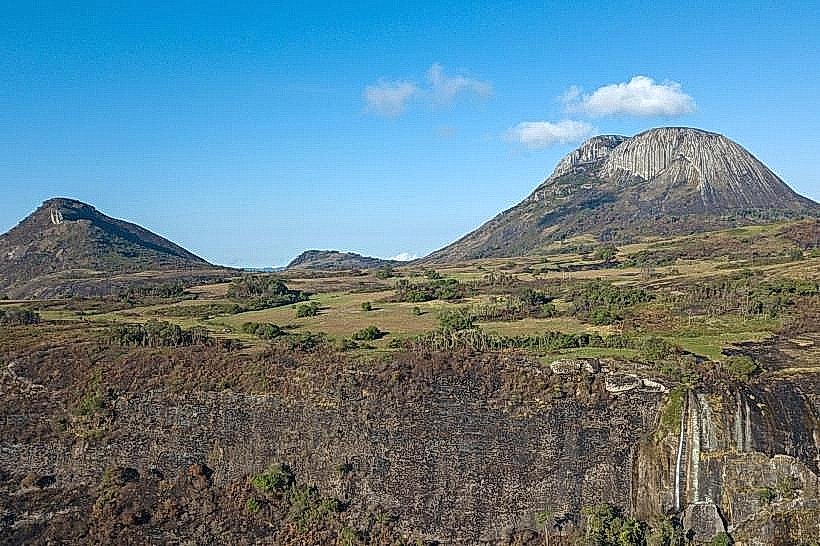
Mount Ribáuè is a prominent natural landmark in northern Mozambique, rising within the Ribáuè District of Nampula Province. It is valued for both its ecological significance and the cultural connections local communities maintain with the area.
Geography and setting
The mountain is part of a series of low-lying plateaus and hills that characterize the northern Mozambican landscape. Its slopes are covered in a mix of woodland and grassland, creating habitats for a variety of wildlife and plant species. Streams and small rivers originate from its higher elevations, providing water to surrounding villages and agricultural areas.
Ecological importance
Mount Ribáuè supports biodiversity typical of northern Mozambique. The mix of forested areas and open spaces shelters birds, small mammals, and reptiles, while native trees and shrubs contribute to soil stability and the local climate. The mountain is also a crucial source of firewood, medicinal plants, and other resources for nearby communities.
Cultural and local significance
Local communities have long regarded Mount Ribáuè as a landmark for orientation and a site with traditional and spiritual importance. Certain spots on the mountain are associated with rituals, storytelling, and cultural practices that tie contemporary life to ancestral knowledge. Farmers often plant crops on its lower slopes, combining subsistence agriculture with traditional ecological knowledge.
Visitor experience
For visitors, Mount Ribáuè offers a blend of natural beauty and cultural insight. The ascent provides panoramic views of the surrounding plains and villages, while the quiet, relatively untouched environment encourages exploration and observation of flora and fauna. Hikes can be moderately challenging, depending on the path and season, but the rewards include striking vistas and encounters with local wildlife.
Overall significance
Mount Ribáuè is both a physical and cultural anchor in northern Mozambique. It embodies the intersection of nature and human life, offering ecological resources, scenic beauty, and cultural continuity for the communities that surround it. The mountain is emblematic of northern Mozambique’s landscape: unassuming yet rich in life, history, and local significance.