Information
City: PembaCountry: Mozambique
Continent: Africa
Pemba, Mozambique, Africa
Pemba is the capital of Cabo Delgado Province and sits on the southern side of Pemba Bay-the third-largest natural bay in the world. As of 2026, the city exists as a paradox: a premier international gateway for offshore liquefied natural gas (LNG) and luxury diving, yet a primary refuge and logistics hub for a region grappling with persistent insurgency.
Historical Timeline
Pemba was founded in 1904 by the Niassa Company under the name Porto Amélia, honoring the last Queen of Portugal. Its growth was driven by its deep-water harbor, which allowed for larger vessels than the nearby historic capital of Ibo. It was renamed Pemba in 1975 following national independence. Since 2017, the city’s trajectory has been defined by the dual forces of massive natural gas discoveries in the Rovuma Basin and the humanitarian response to the conflict in northern Cabo Delgado.
Demographics & Population
The 2026 population is estimated at over 250,000. This reflects a massive surge from the 2017 census (approx. 200,000) due to internal displacement and the influx of global energy sector workers. The population is a mix of Makhuwa, Makonde, and Mwani ethnic groups. While Portuguese is the official language, Emakhuwa and Kimwani are the dominant local tongues.
Urban Layout & Key Districts
The city occupies a peninsula and is divided between "Cidade Velha" (Old Town) and modern tourist/industrial expansions.
Baixa (Old Town): The historic grid with colonial facades and the commercial port.
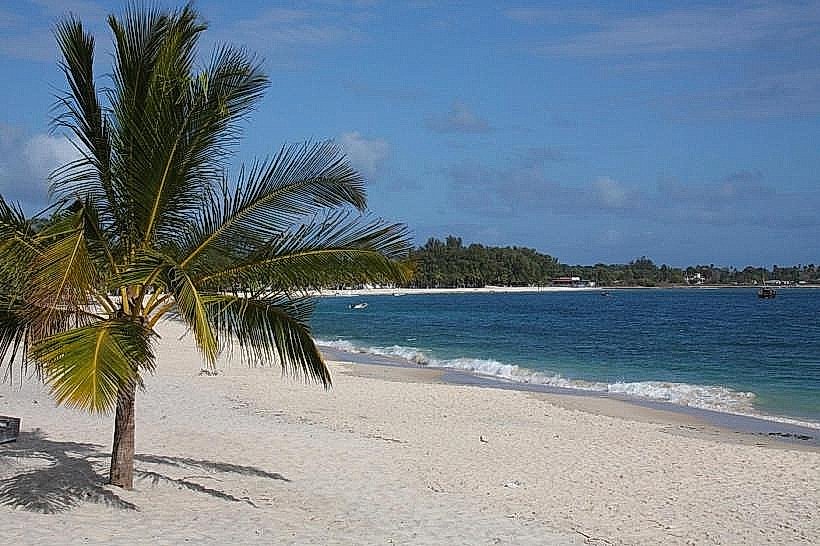
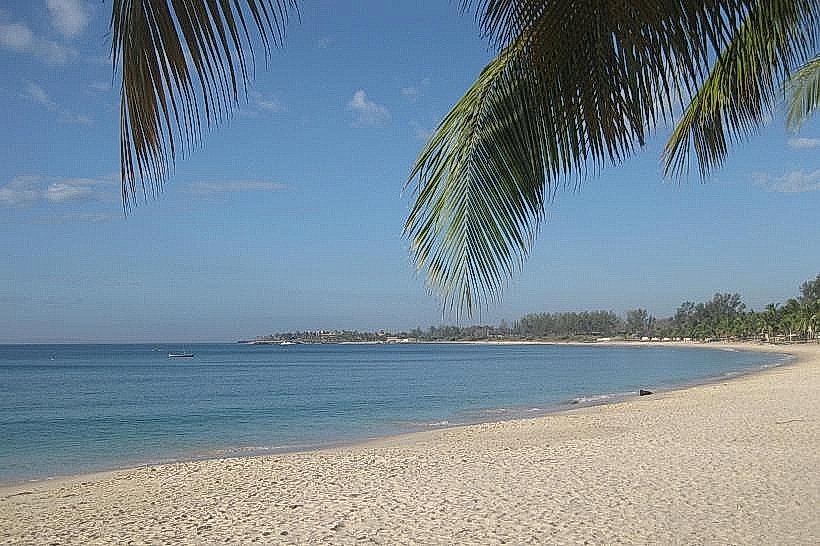
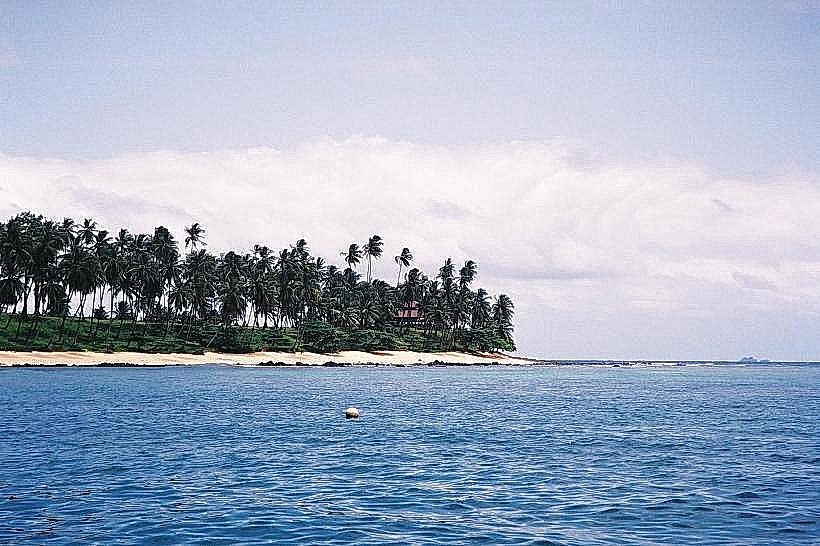
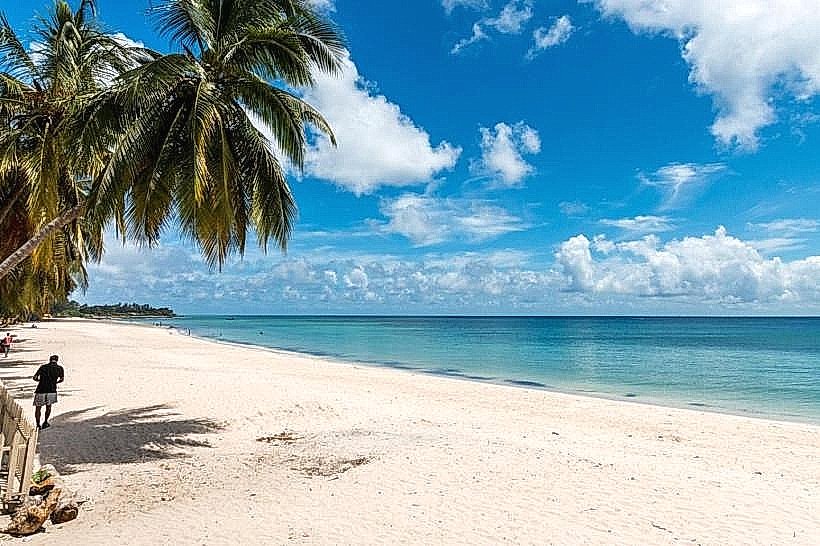
Wimbe Beach: The primary tourism zone, lined with palm trees, hotels, and seafood restaurants.
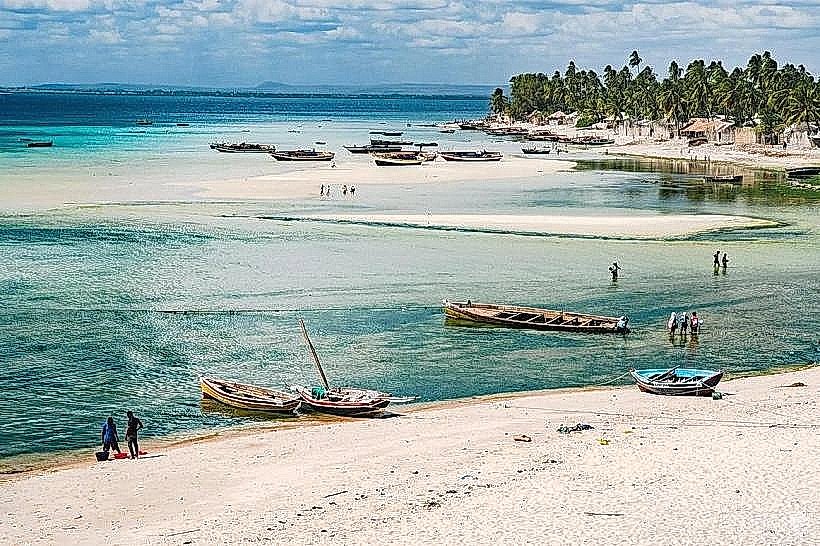
Paquitequete: A dense, traditional fishing village within the city, known for its dhow-building heritage.
Industrial Zone: Rapidly expanding areas near the airport and port dedicated to oil and gas logistics.
Top City Landmarks
Wimbe Beach (Praia do Wimbe): Famous for its white sand and vibrant kitesurfing scene.
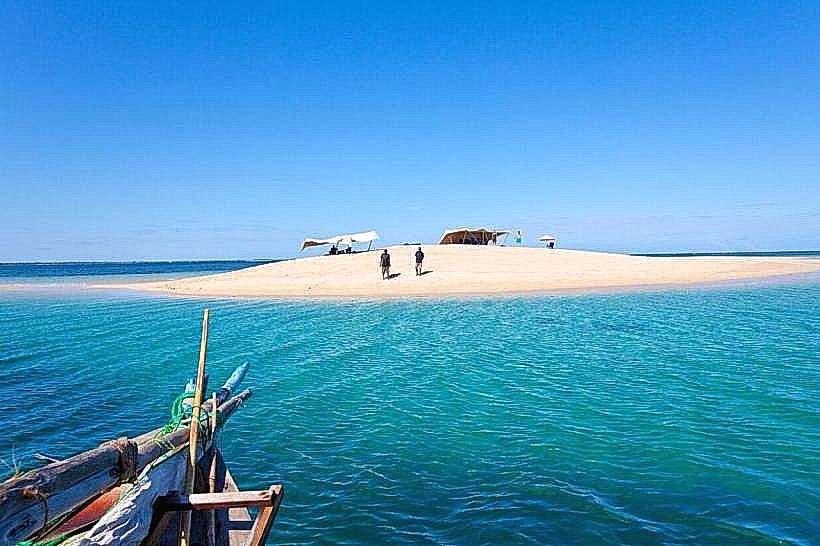
Pemba Bay: One of the largest natural bays globally, offering world-class diving and whale watching (seasonal).
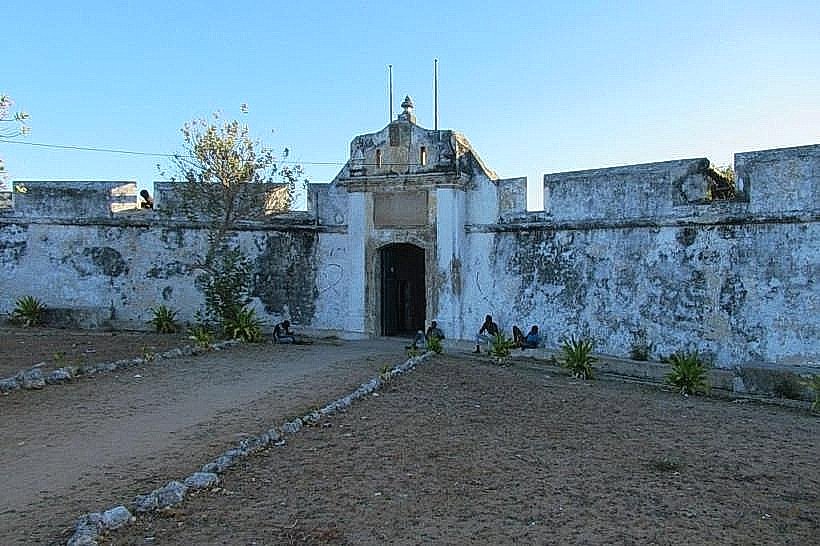
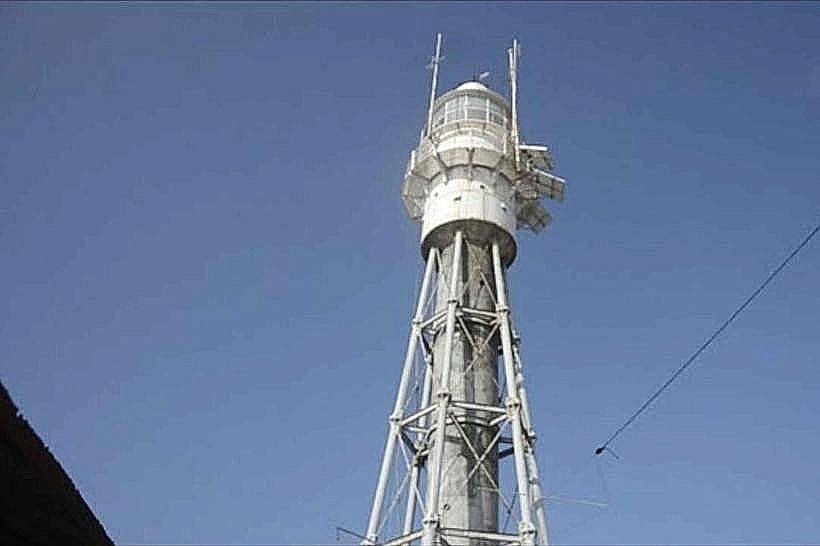
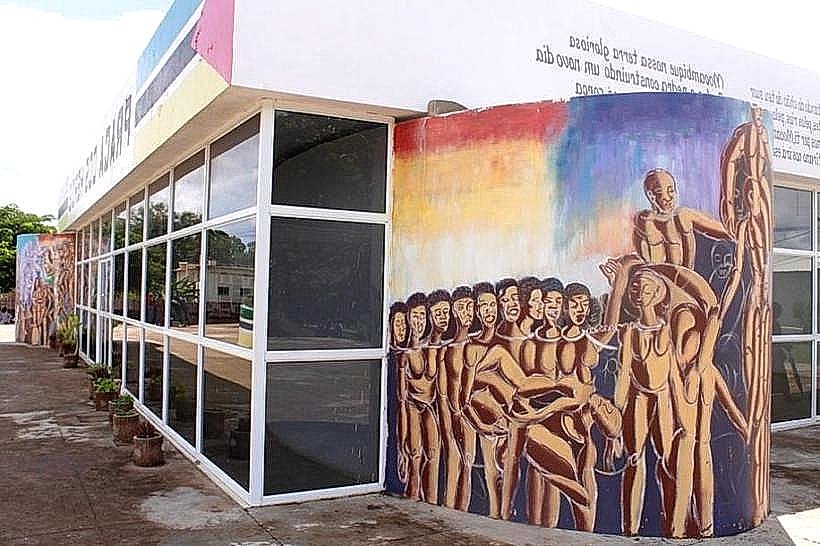
Slave Trade Fort (Ponta Romero): A somber historical monument at the lighthouse where enslaved people were once auctioned.
Nacole Baobab: An ancient, massive baobab tree located inside the bay, once used as a shelter by refugees.
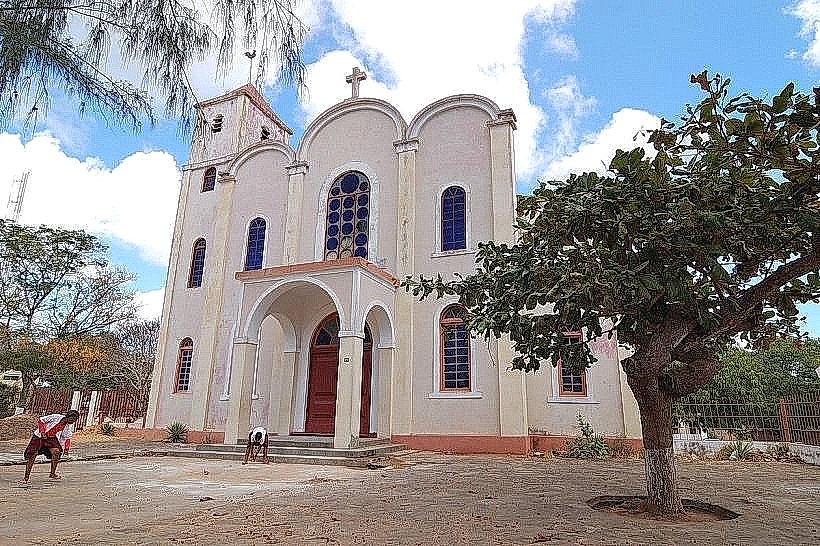
Catedral de Nossa Senhora de Fátima: The city's main Catholic cathedral.
Transportation Network
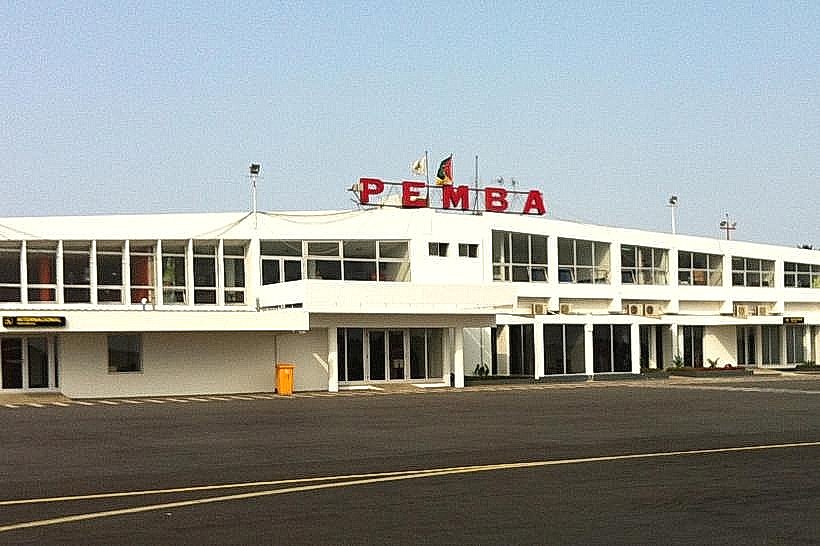
Aviation: Pemba Airport (POL) is a major hub with direct links to Maputo, Johannesburg, and Nairobi, primarily serving the energy sector.
Maritime: The Port of Pemba is a critical deep-water logistics base for the offshore gas platforms.
Roads: The N1 highway connects Pemba to Montepuez and Nampula, though road travel north toward Palma is currently restricted.
Public Transit: Chapas (minibuses) operate locally, though motorbike taxis are increasingly dominant for short-distance city travel.
Safety & Security Status (2026)
Current Status: Exercise High Caution / Avoid Non-Essential Travel.
While Pemba city itself remains under firm government control and acts as a safe haven, the surrounding districts of Cabo Delgado are active conflict zones involving Islamist extremist groups.
Insurgency: The city is a logistics base for security forces and NGOs; however, the threat of spillover or "sleeper cell" attacks remains a high-level concern for international travel advisories.
Crime: Petty theft and muggings occur frequently, especially at Wimbe Beach after dark.
Travel: Avoid all road travel north of the city.
Digital & Financial Infrastructure
Internet: Fiber and 5G are available in the city center and hotel zones (Vodacom/Movitel), providing speeds of 20–50 Mbps.
Banking: Several international and local banks have branches with ATMs in the center and near Wimbe.
Economy: Prone to "boomtown" inflation; prices for lodging and dining are significantly higher than in Nampula or Beira.
Climate & Air Quality
Pemba has a tropical savanna climate. Temperatures are consistently warm, ranging from 22°C to 31°C. The rainy season (December–April) brings high humidity and risk of tropical cyclones. Air quality is Excellent coastal-wide, though localized dust is common in developing industrial zones.
Local Cost Index
1 Espresso: USD 1.60 (105 MZN)
1 Standard Lunch: USD 12.00 (760 MZN)
1 Short Taxi Trip: USD 5.00 (320 MZN)
Facts & Legends
The local Mwani people believe the bay is protected by a sea spirit that demands respect from those who sail it; dhow captains often perform small rituals before long crossings. Historically, Pemba was so isolated that it was often bypassed by the Portuguese in favor of Ibo Island, leading to its unique status as a "modern" city with deep-rooted traditional fishing enclaves like Paquitequete existing side-by-side with high-tech gas infrastructure.