Information
Landmark: Ibo IslandCity: Pemba
Country: Mozambique
Continent: Africa
Ibo Island, Pemba, Mozambique, Africa
Ibo Island is part of the Quirimbas Archipelago, situated off the coast of northern Mozambique, near Pemba. It is one of the most historically and culturally significant islands in the region, known for its colonial-era architecture, fortified structures, and vibrant local communities.
Location and Setting
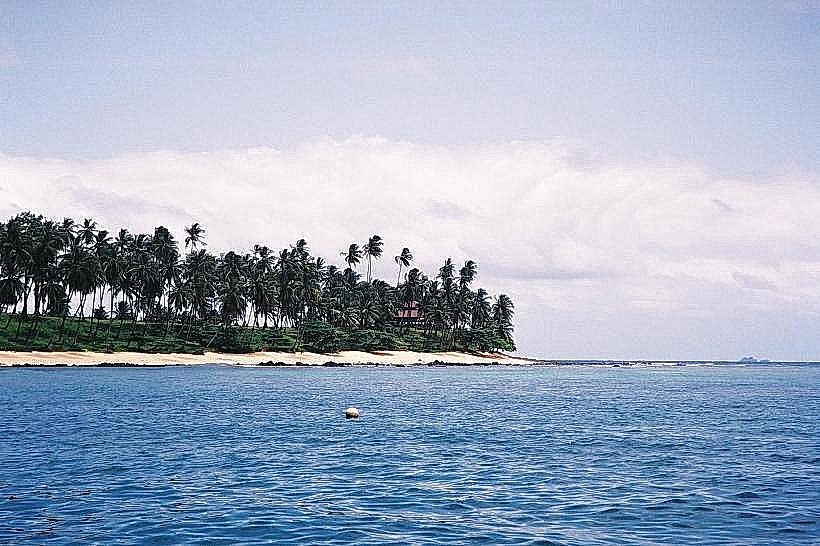
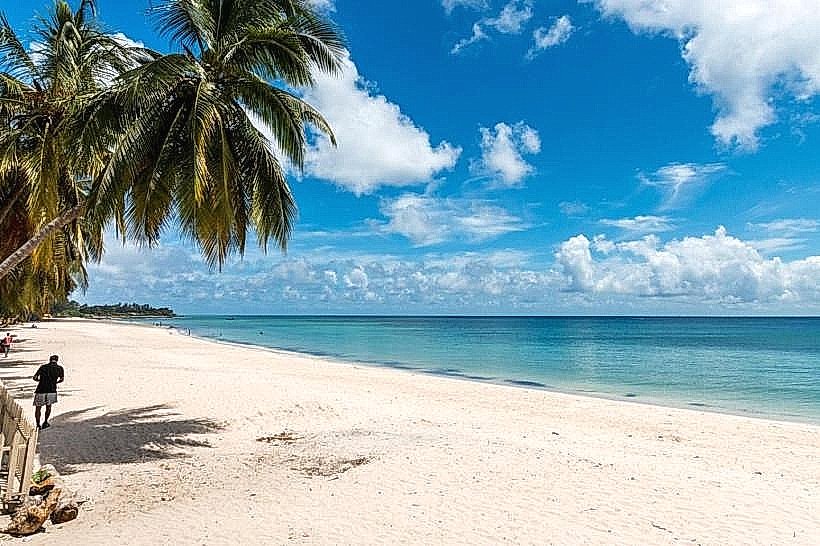
The island lies a few kilometers offshore, accessible by boat from Pemba. It features a mix of sandy beaches, rocky shorelines, and coral reefs, surrounded by the turquoise waters of the Indian Ocean. Mangrove forests and tidal flats fringe some areas, creating important habitats for fish, birds, and other wildlife. The island’s elevated areas offer panoramic views of the surrounding archipelago, giving a sense of scale and natural beauty.
Historical Background
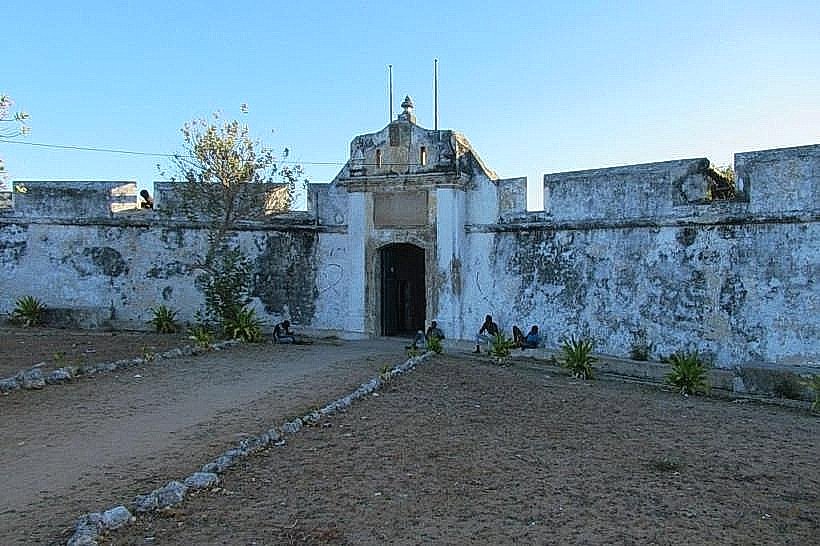
Ibo Island has a long history as a Portuguese colonial settlement and a hub for Indian Ocean trade. During the 17th and 18th centuries, it was a center for the ivory and slave trades, with the Portuguese building fortified structures to protect the island from rival European powers and local uprisings. Notable historic sites include:
Fortaleza de São João Baptista, a prominent fort guarding the harbor.
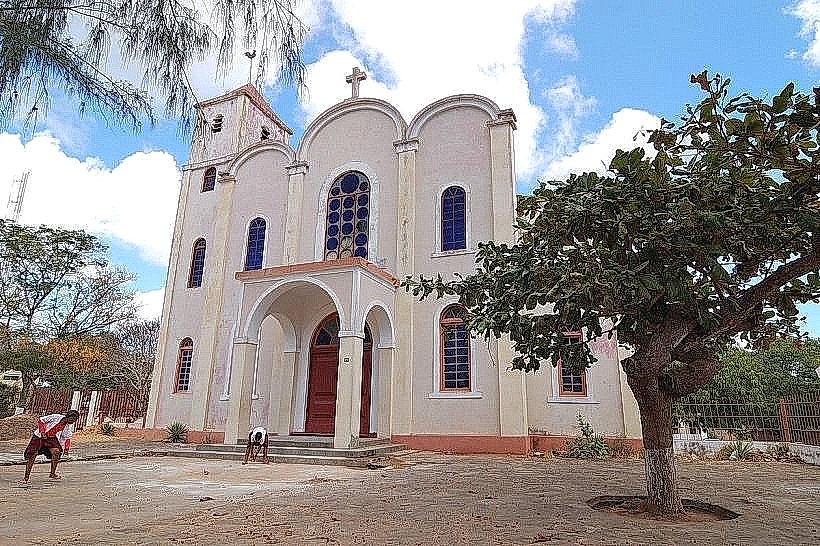
Colonial-era churches and administrative buildings, reflecting Portuguese architectural influence.
Remnants of old trading houses and warehouses that hint at the island’s commercial past.
Architecture and Urban Layout
The island’s built environment blends fortified colonial structures with simple local houses. Narrow streets, pastel-colored facades, and tiled roofs create a human-scale urban fabric. Fortifications, such as bastions and walls, are strategically positioned to overlook the harbor, revealing the island’s military and administrative importance in past centuries.
Beaches and Marine Life
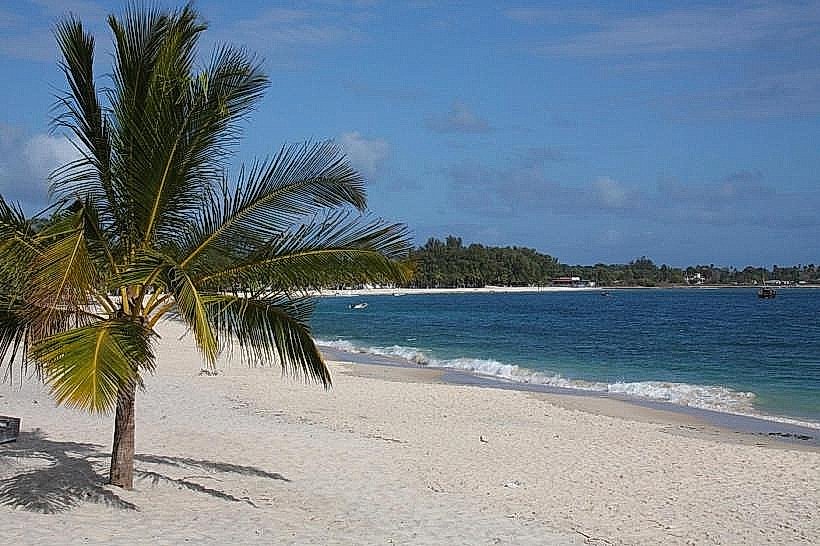
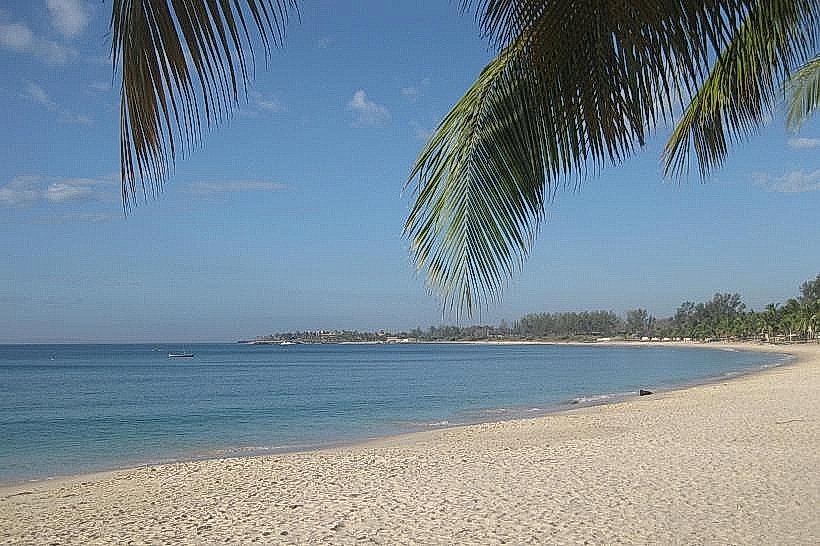
Ibo Island is surrounded by shallow, calm waters and coral reefs, making it ideal for snorkeling and diving. The beaches are often quiet and picturesque, with white sand backed by coconut palms and low vegetation. The reefs support diverse marine life, including colorful fish, starfish, and soft corals, attracting both casual snorkelers and eco-tourists.
Community and Culture
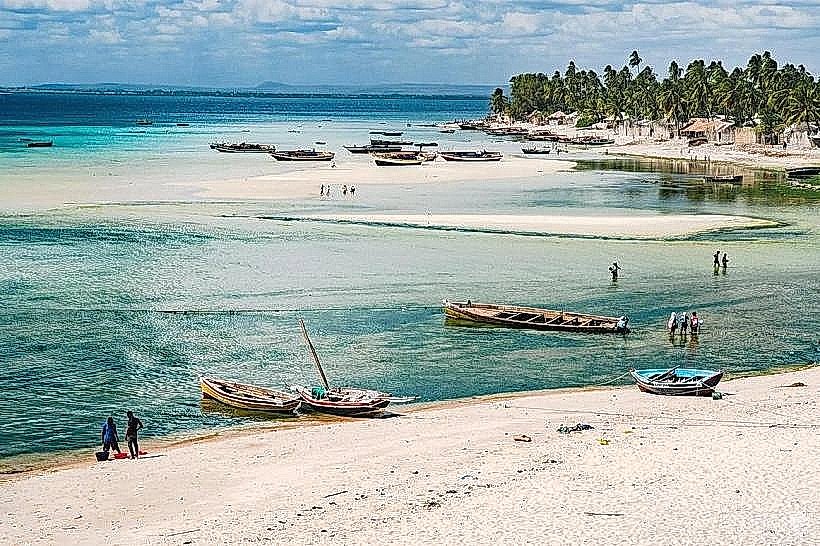
The island remains inhabited by local communities who engage in fishing, boat building, and small-scale trade. Traditional dhow sailing continues, linking the island with nearby Quirimbas islands and the mainland. Cultural life includes local music, craft production, and community festivals that celebrate both maritime heritage and local traditions.
Visitor Experience
A visit to Ibo Island combines history, culture, and natural beauty. Walking through the old town, exploring the fort, or snorkeling over reefs gives a layered understanding of the island’s past and present. The slow pace, friendly local interaction, and scenic vistas make it a memorable stop on any northern Mozambique itinerary.
Significance
Ibo Island stands as a living monument to northern Mozambique’s colonial and maritime history. Its combination of fortified architecture, vibrant communities, and rich marine ecosystems make it a cornerstone of the Quirimbas Archipelago, offering a rare blend of culture, history, and coastal beauty.