Information
City: TeteCountry: Mozambique
Continent: Africa
Tete, Mozambique, Africa
Tete is the capital of Tete Province and the largest city in the Zambezi Valley of western Mozambique. It is situated on a plateau on the south bank of the Zambezi River. Since 2010, it has transitioned from a remote provincial outpost into the "Coal Capital" of Africa, serving as the logistical hub for one of the world's largest untapped coal reserves in the nearby Moatize district.
Historical Timeline
Tete was established as a Swahili and Arab trading center long before the Portuguese arrived. The Portuguese established a permanent settlement in 1531, using it as a base for exploring the interior for gold. It became a city in 1959. During the construction of the Cahora Bassa Dam in the 1970s, Tete served as a critical staging ground. The city’s modern identity was forged by the 21st-century mining boom, which brought massive infrastructure investment from multi-national corporations like Vale and Rio Tinto.
Demographics & Population
The 2026 population is estimated at 345,000. The dominant ethnic group is the Nyungwe. Portuguese is the official language, but Cinyungwe is the primary language of daily life. The city has a highly transient population of international engineers, miners, and logistical experts from Brazil, India, South Africa, and Australia.
Urban Layout & Key Districts
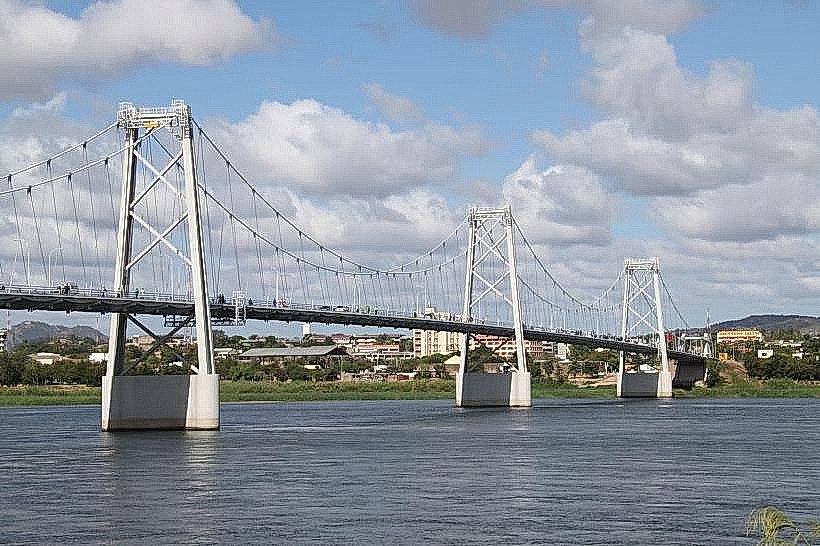
The city is dominated by the Zambezi River and the two massive bridges that span it.
The Center: The historic core near the river, containing colonial-era administrative buildings and the cathedral.
Moatize (20 km away): While a separate municipality, it is functionally part of the Tete urban sprawl, housing the primary open-cast coal mines.
Degue: A residential and commercial district on the north bank of the river.
M'atundo: An expanding residential area.
Top City Landmarks
Samora Machel Bridge: A 1-km long suspension bridge built in 1973; it remains a vital link for the regional road network.
Kassuende Bridge: A second, modern bridge completed in 2014 to divert heavy mining traffic away from the city center.
Tete Cathedral (São Tiago Maior): A landmark of the city's Portuguese colonial heritage.
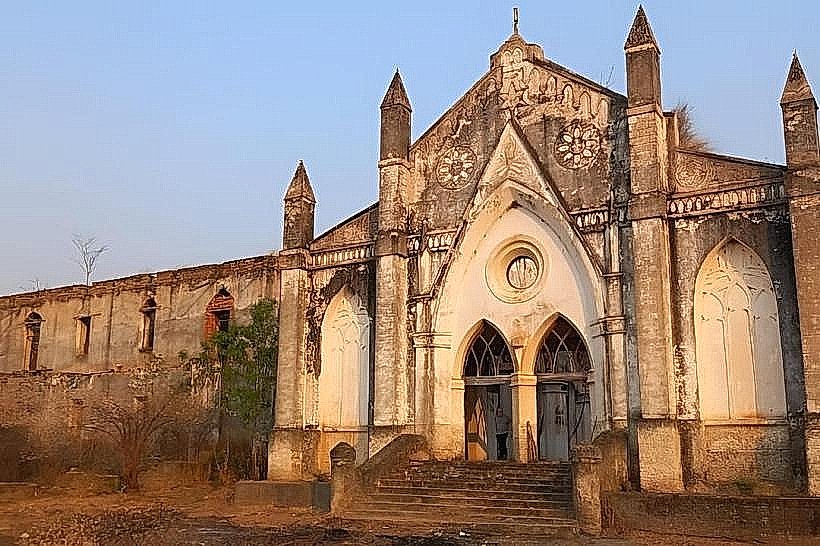
Boroma Mission (30 km away): A stunning 19th-century Jesuit mission built in a Neo-Gothic style on the banks of the Zambezi.
The Zambezi River: The geographic and economic lifeblood of the city.
Transportation Network
Tete is a critical transit node for landlocked Zimbabwe, Malawi, and Zambia.
Roads: The city sits on the Tete Corridor, the primary route for trucks traveling from Zimbabwe and South Africa to Malawi.
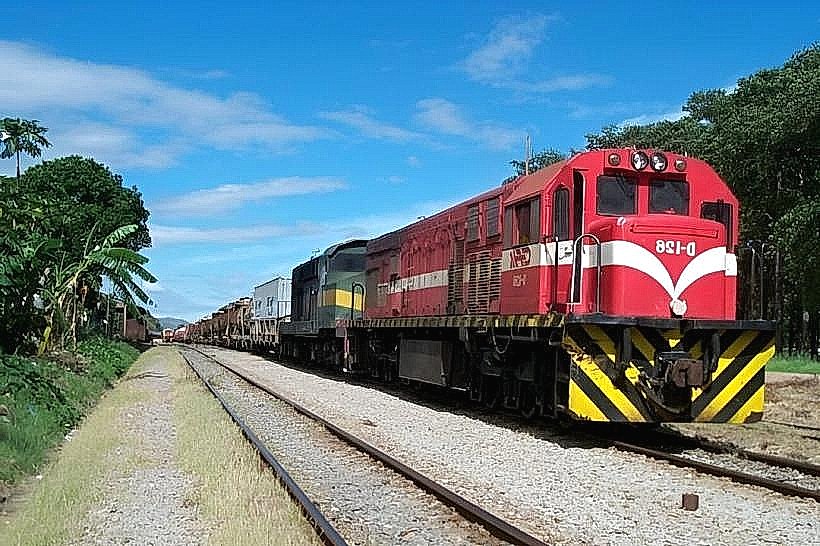
Rail: The Sena Line connects the Moatize mines to the Port of Beira, while the Nacala Logistics Corridor links the mines to the deep-water port of Nacala.
Aviation: Chingozi Airport (TET) is one of the busiest in the country, with frequent flights to Maputo and Johannesburg.
Public Transit: Movement is conducted via chapas and a high volume of motorbike taxis.
Safety & "Red Zones"
Current Status: Exercise Normal Precautions. Tete is generally safe for travelers, though the rapid influx of wealth has increased petty crime in the city center. The most significant danger is the high-speed heavy truck traffic on the main transit roads. Avoid walking near the riverbanks at night due to both crime risks and the presence of crocodiles in the Zambezi.
Digital & Financial Infrastructure
Internet: 4G is reliable via Vodacom and Movitel, catering to the mining sector. Average speeds: 20–40 Mbps.
Banking: The currency is the Metical (MZN). Due to the international workforce, major banks are abundant and ATMs are generally well-stocked.
Payments: Credit card acceptance is higher here than in other provincial capitals, particularly in hotels and corporate-focused businesses.
Climate & Air Quality
Tete is notoriously the hottest city in Mozambique. It has a semi-arid climate where temperatures frequently exceed 40°C between October and December. Air quality is a concern due to the proximity of massive open-cast coal mines and the associated dust and industrial emissions.
Culture & Social Norms
The local culture is a blend of traditional Nyungwe customs and a modern, high-intensity mining town atmosphere. Tipping is common (10%). Due to the extreme heat, business and social life often start very early in the morning and pause during the midday peak.
Local Cost Index
1 Espresso: USD 1.50 (95 MZN)
1 Standard Lunch: USD 11.00 (700 MZN)
1 Short Taxi Trip: USD 5.00 (320 MZN)
Nearby Day Trips
Cahora Bassa Dam (150 km): One of the largest hydroelectric dams in Africa, forming a massive reservoir.
Songo: The planned town built for the dam’s workers, offering cooler temperatures due to its higher elevation.
Facts & Legends
Tete is often called the "Iron City" due to its heat and industrial focus. A local legend tells of the "Zambezi Monster," a protector of the river that prevents the bridges from falling; historically, the city was so isolated that during the colonial era, it was often used as a place of exile for Portuguese political prisoners.