Information
Landmark: Sena Railway StationCity: Tete
Country: Mozambique
Continent: Africa
Sena Railway Station, Tete, Mozambique, Africa
The Sena Railway Station is a modest yet historically significant transport landmark in the town of Sena, central Mozambique. Set close to the Zambezi River floodplain, the station reflects the layered history of rail transport, river trade, and regional development that has shaped this part of the country for more than a century.
Historical Context and Development
Sena grew as an inland river port long before railways arrived, serving as a gateway between the Zambezi River system and the interior. The arrival of the railway transformed the town into a strategic transport node, linking river traffic with overland routes. The station became a vital point for moving agricultural products, passengers, and supplies between central Mozambique and coastal ports, embedding Sena firmly into the national transport network.
Railway Line and Strategic Role
The station lies on the Sena Line, one of Mozambique’s most important rail corridors. This line connects inland mining and agricultural regions to the coast, passing through challenging terrain shaped by seasonal flooding. Sena Railway Station functions as an intermediate stop and operational point, supporting both long-distance freight movement and limited passenger activity when services operate.
Architecture and Station Layout
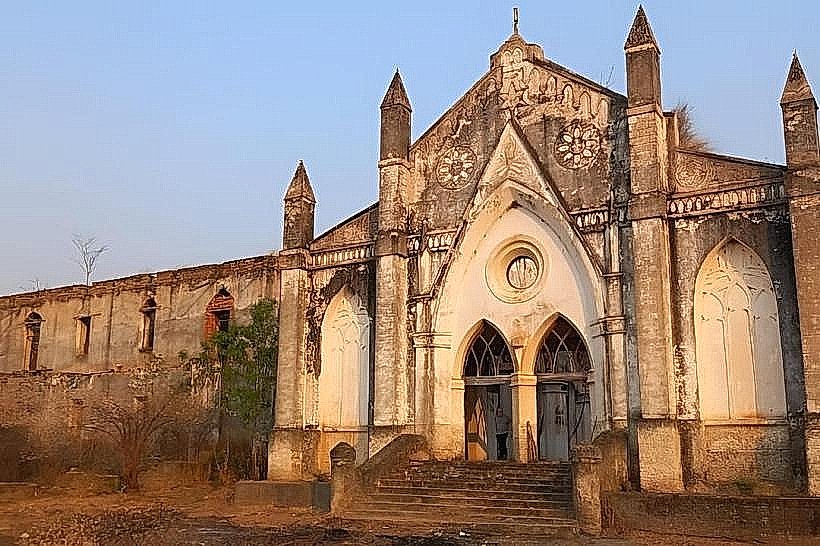
Architecturally, the station is simple and functional. Low-rise buildings, shaded platforms, and basic waiting areas dominate the site. The design reflects practicality rather than grandeur, suited to the hot climate and the station’s working role. Weathered walls, metal roofing, and open-air spaces give the station a quiet, time-worn character that feels closely tied to its surroundings.
Daily Atmosphere and Local Life
At ground level, the station blends seamlessly into town life. When trains pass through, the area briefly comes alive with activity: workers checking cargo, passengers gathering with bags and bundles, and local vendors selling snacks or drinks nearby. Between arrivals, the station feels calm and almost still, mirroring the slower rhythm of Sena itself.
Environmental Setting
The proximity to the Zambezi shapes the station’s identity. Seasonal changes affect the landscape around the tracks, with green floodplains during the rains and dusty expanses in the dry months. Heat, humidity, and open skies define the sensory experience, making rail travel here feel closely connected to nature and geography.
Contemporary Importance
Today, Sena Railway Station remains an essential part of regional logistics, particularly for freight. While passenger services are limited and irregular, the station continues to symbolize connection for local communities, linking a small riverside town to national and regional systems of movement and trade.
Overall, Sena Railway Station stands as a quiet but meaningful witness to Mozambique’s transport history, embodying endurance, function, and the long relationship between railways, rivers, and everyday life in central Mozambique.