Information
City: RakvereCountry: Estonia
Continent: Europe
Rakvere, Estonia, Europe
Rakvere serves as the administrative center of Lääne-Viru County and functions as Estonia’s "fifth largest city." It is characterized by its avant-garde approach to urban design, its massive stone castle, and a reputation for being a center of punk subculture and modern innovation.
Historical Timeline
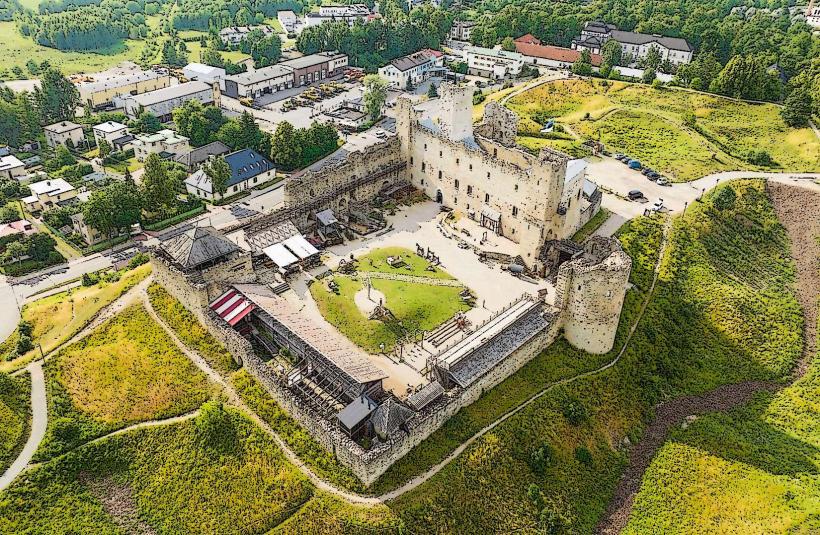
First mentioned as a wooden fortress in the 13th century, the town was known by its German name, Wesenberg. The primary event shaping its modern identity was the 14th-century construction of the stone castle by the Livonian Order. In the early 2000s, Rakvere underwent an urban revolution, redesigning its central square into a world-class example of contemporary public space, which signaled its shift from a quiet regional town to a hub of modern design.
Demographics & Population
The population is approximately 15,000 (2026 estimate). The demographic is predominantly Estonian. The city is known for a strong community of entrepreneurs and artists, maintaining a youthful atmosphere despite its historic roots.
Urban Layout & Key Districts
The city is built around a central ridge.
Vallimägi: The historic ridge featuring the castle and the landmark Tarvas Statue.
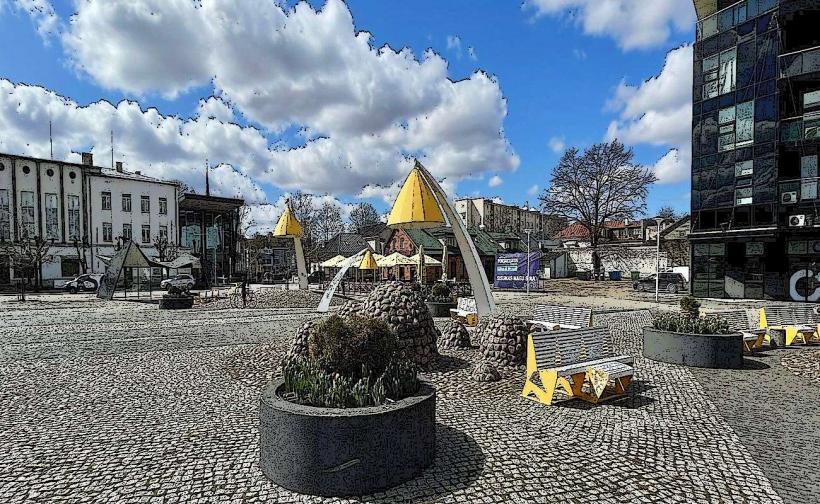
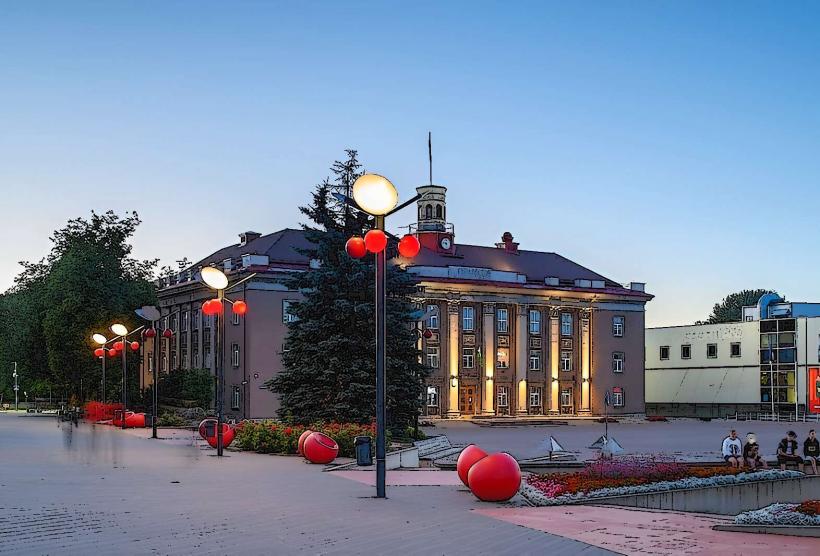
Kesklinn (City Center): Home to the Central Square, known for its unique yellow "light domes" and modernist architecture.
Pikk Street: The historic merchant street featuring 18th and 19th-century architecture, recently renovated into a pedestrian-friendly zone.
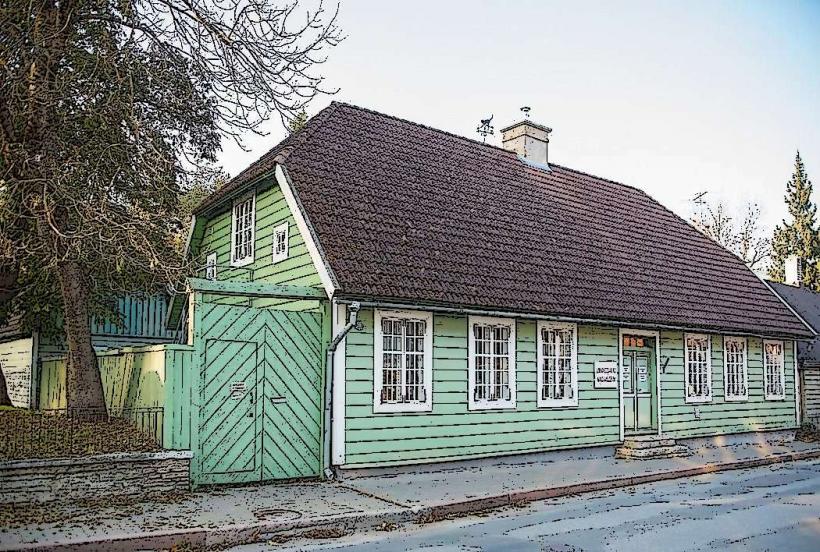
Kondivalu: A residential district known for its traditional wooden houses.
Top City Landmarks
Rakvere Castle: A "living museum" where visitors participate in 16th-century activities, including archery and black powder demonstrations.
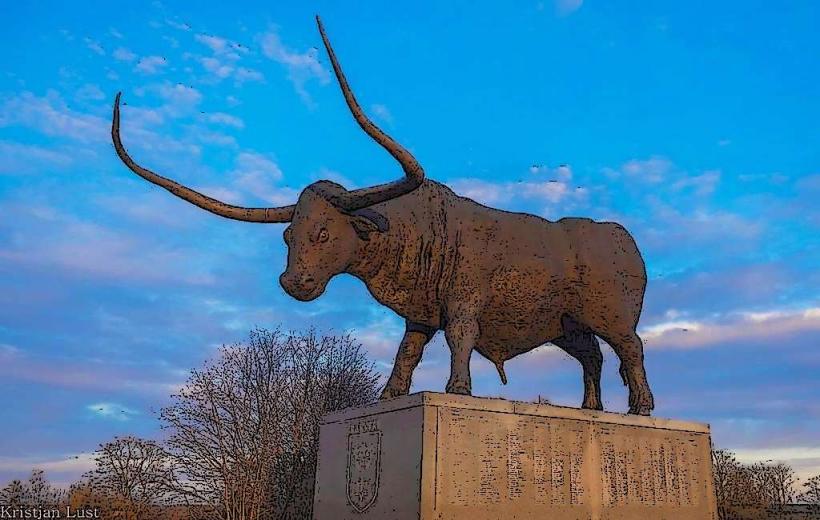
Tarvas Statue: A 7-meter-long bronze statue of an aurochs (wild ox), the largest animal sculpture in the Baltic states and the symbol of the city.
Rakvere Central Square: An award-winning modern public space that redefined Estonian urban planning.
The Estonian Police Museum: An interactive museum where visitors can test police equipment and solve simulated crimes.
Vallimägi Open Air Center: A massive modern amphitheater built into the ridge for concerts and festivals.
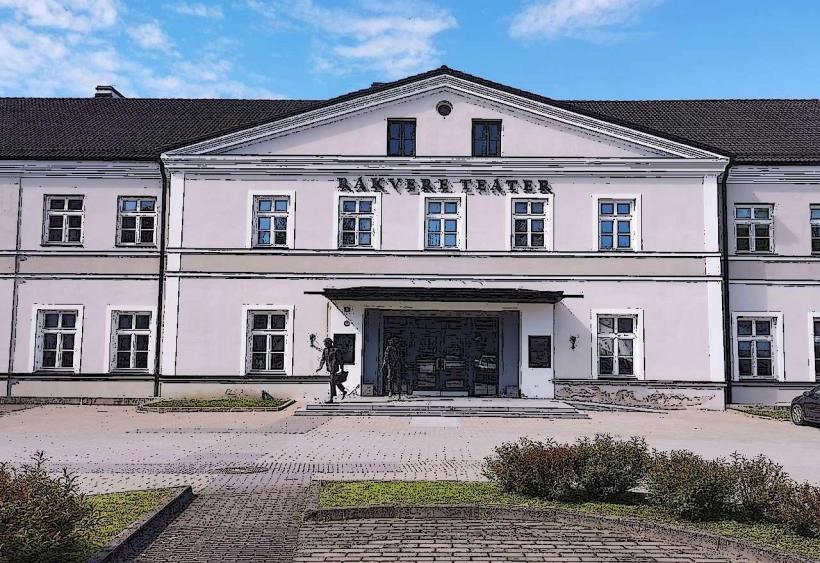
Rakvere Theatre: One of the most significant professional theaters in Estonia, located in a historic manor park.
Transportation Network
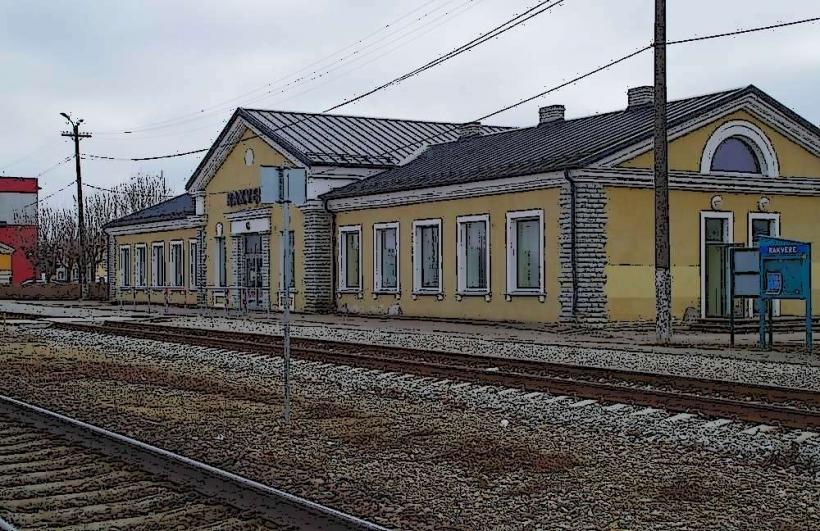
Movement is managed by a regional bus network; public transport within the city is free for residents. Rakvere is a major stop on the Tallinn–Narva rail line (Elron). Air travel is serviced by Tallinn Airport (TLL), located 100 km west (approx. 1 hour 15 mins by car or train). The city is highly walkable and maintains high-quality cycling paths.
Safety & "Red Zones"
The safety level is high. There are no "no-go zones." Standard urban awareness is sufficient. The city is compact and well-lit.
Digital & Financial Infrastructure
Average internet speed is 200–1000 Mbps. Rakvere is a leader in green energy and digital municipal management. The city is entirely cashless. Mobile payments and cards are universal; the city’s major festivals are often "smart events" using digital wristbands for payments.
Climate & Air Quality
Temperatures range from -6°C in winter to 21°C in summer. The inland position provides a stable climate with reliable snow cover in winter. Air quality is pristine.
Culture & Social Norms
Tipping is not required but appreciated (10%). The culture is defined by "Punk-identity"-the city hosted the first Punk Song Festival and maintains an edgy, creative social scene. Social life revolves around the theater and the modern cafes on Pikk Street.
Accommodation Zones
Stay near Vallimägi for proximity to the castle and the spa hotels.
Stay in the City Center for access to modern dining and transit.
Local Cost Index
1 Espresso: 2.50 – 3.50 €
1 Standard Lunch: 7.00 – 10.00 €
1 Pint of Local Beer: 5.50 – 8.00 €
1 Train Ticket (Tallinn–Rakvere): 6.00 – 9.00 €
Nearby Day Trips
Lahemaa National Park: 25 km north; Estonia’s largest national park featuring manor houses (Palmse, Sagadi, Vihula) and coastal villages.
Porkuni: 30 km south; famous for its lake with "floating islands" and a museum of limestone.
Toolse Castle Ruins: 30 km north; the remains of the northernmost medieval castle on the Baltic coast.
Facts & Legends
Local legend says that when the ancient aurochs (Tarvas) fell, its head landed in Rakvere and its body in Tartu. A verified historical fact is that Rakvere was the first city in the Baltics to install a public modern art installation as its primary central square feature rather than a traditional monument.