Information
Landmark: Jõhvi ChurchCity: Rakvere
Country: Estonia
Continent: Europe
Jõhvi Church, Rakvere, Estonia, Europe
The Jõhvi Church is a medieval fortified church located in the town of Jõhvi, Ida-Viru County, Estonia. It serves as a significant example of Estonian sacral architecture with defensive capabilities.
Visual Characteristics
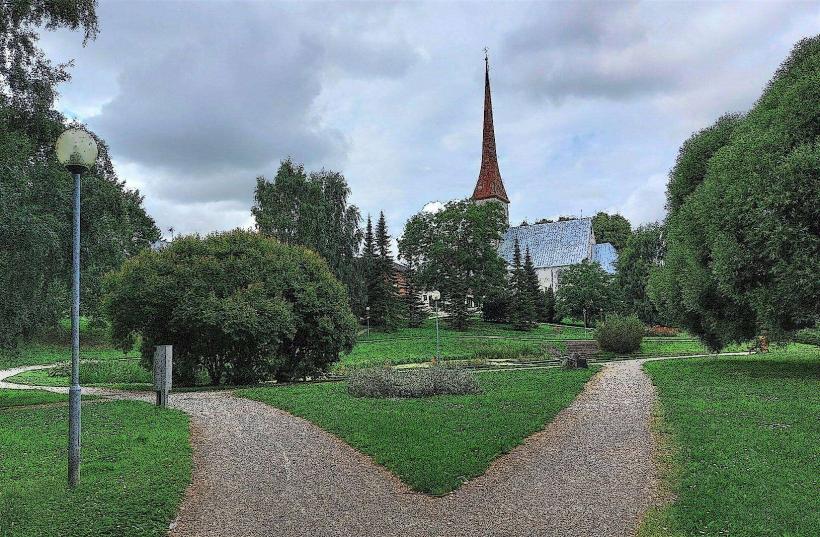
The church is constructed primarily from local limestone, presenting a light grey facade. Its roof is covered with red tiles. The structure features thick walls, narrow windows, and a prominent western tower, indicative of its dual role as a place of worship and a defensive stronghold. The architectural style is predominantly Gothic, characterized by its robust, fortress-like appearance rather than elaborate ornamentation. The tower reaches an approximate height of 30 meters.
Location & Access Logistics
The church is situated in the center of Jõhvi, at Rakvere Street 1. It is approximately 50 kilometers east of Rakvere and 160 kilometers east of Tallinn. Access is primarily via the E20 (Tallinn-Narva highway), with the church visible from the main road through Jõhvi. Limited street parking is available directly adjacent to the church grounds. Jõhvi is served by regional bus lines, with the central bus station located within 0.5 kilometers of the church, offering connections to Rakvere, Tallinn, and Narva.
Historical & Ecological Origin
Construction of the Jõhvi Church began in the late 13th century, with significant fortifications added in the 14th century. The original builders are unknown medieval master masons. Its primary purpose was religious worship for the local parish, but its strategic location along trade routes and near the eastern border necessitated its design as a fortified church, capable of providing refuge and defense during periods of conflict.
Key Highlights & Activities
Visitors can observe the medieval architecture and defensive features, including the thick walls and narrow arrow slits. The interior features a historic altar and pulpit. Guided tours are occasionally available; check local visitor information for schedules. The churchyard contains historical gravestones and offers a quiet space for contemplation.
Infrastructure & Amenities
Restroom facilities are typically available during church opening hours. Limited natural shade is provided by trees within the churchyard. Cell phone signal (4G/5G) is generally strong throughout the area. Several cafes and small eateries are located within 0.3 kilometers in Jõhvi town center.
Best Time to Visit
The best time to visit for photography is during the morning or late afternoon when the sun casts long shadows, highlighting the church's robust features. The months of May through September offer the most favorable weather conditions for exploring the exterior. No specific tide requirements apply.
Facts & Legends
The Jõhvi Church is one of the best-preserved fortified churches in Estonia, having withstood numerous sieges and conflicts throughout its history, including the Livonian War. A local legend suggests that secret tunnels once connected the church to other defensive structures in the area, though no definitive evidence supports this claim.
Nearby Landmarks
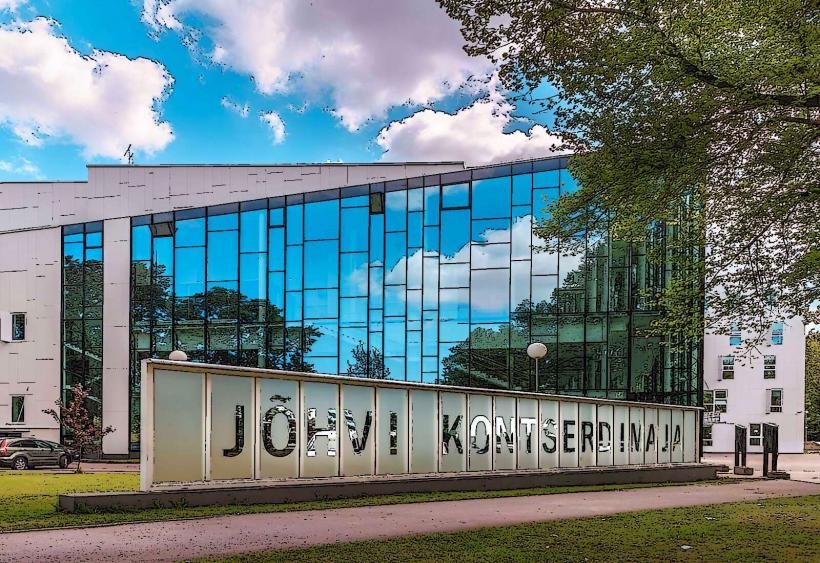
- Jõhvi Concert Hall: 0.4km West
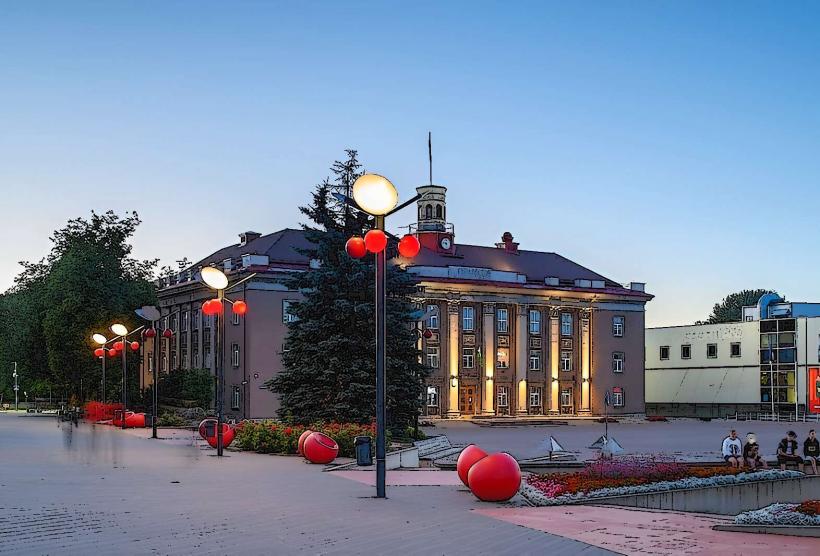
- Jõhvi Central Square: 0.2km South
- Jõhvi City Museum: 0.6km North-East
- Pargi Keskus (Shopping Center): 0.7km North
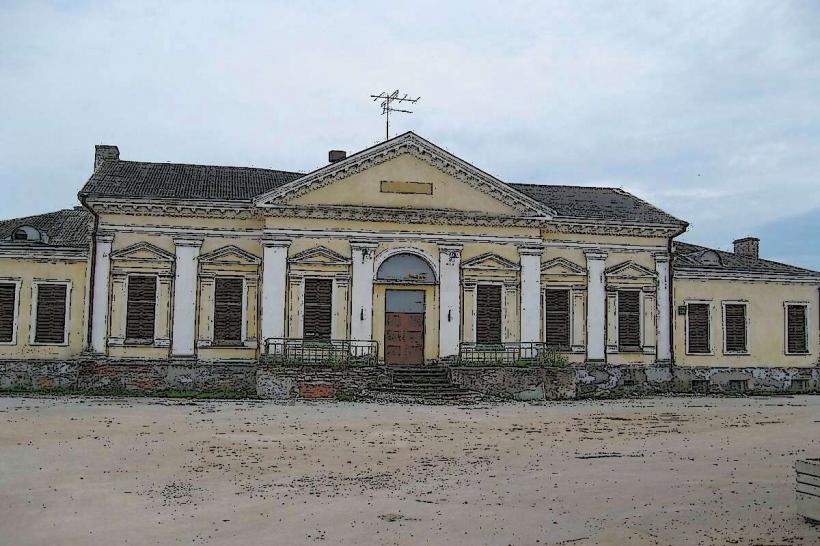
- Jõhvi Manor Park: 0.8km East