Information
City: RoskildeCountry: Denmark
Continent: Europe
Roskilde, Denmark, Europe
Roskilde serves as the historic and ecclesiastical soul of Denmark and the primary administrative hub for North Zealand. It functions as a major educational center and a global node for music culture, characterized by its twin-spired cathedral, Viking maritime heritage, and its position at the head of the Roskilde Fjord.
Historical Timeline
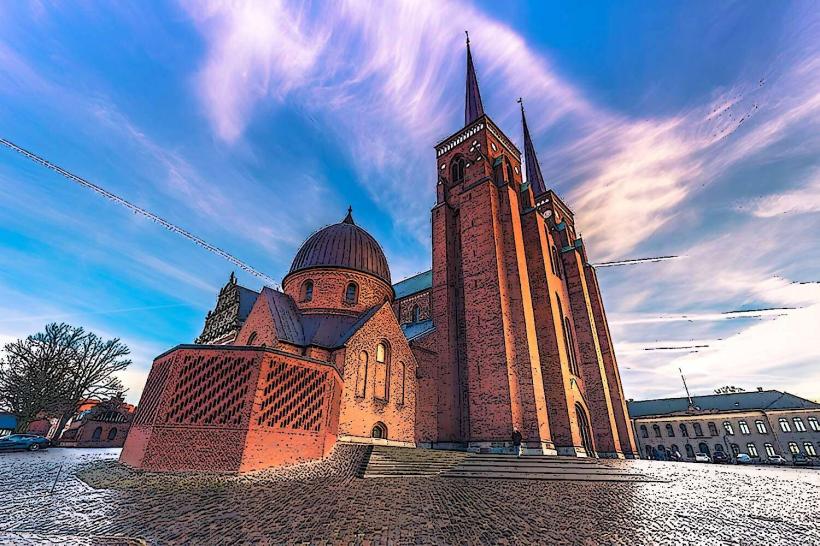
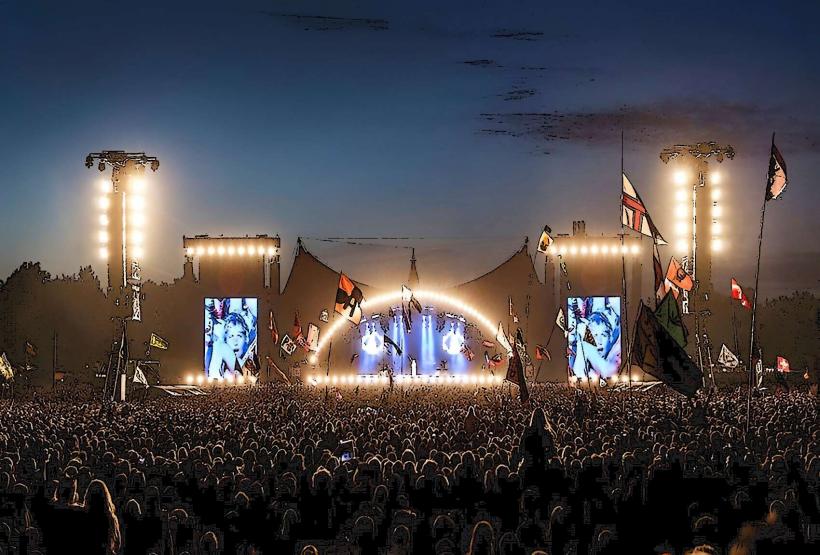
Founded in the 980s by Harald Bluetooth, Roskilde was the capital of Denmark until 1443. The primary event shaping its status was the 1170 construction of the Cathedral, which established the city as the burial site for Danish royalty. In 1847, it became the destination for Denmark's first railway line. Its modern global identity was solidified in 1971 with the founding of the Roskilde Festival, now one of the largest music festivals in Europe.
Demographics & Population
The population is approximately 53,000 (2026 estimate), with the wider municipality reaching 91,000. The demographic is heavily influenced by Roskilde University (RUC) and the Risø National Laboratory, resulting in a high concentration of students, researchers, and public sector professionals.
Urban Layout & Key Districts
The city is divided into the Historic Upper Town, centered on the Cathedral and the pedestrianized Skomagergade, and the Harbour Area, located at the bottom of a steep hill. Musicon is a newly developed creative district built in a former concrete factory south of the center, housing the rock museum and skate parks.
Top City Landmarks
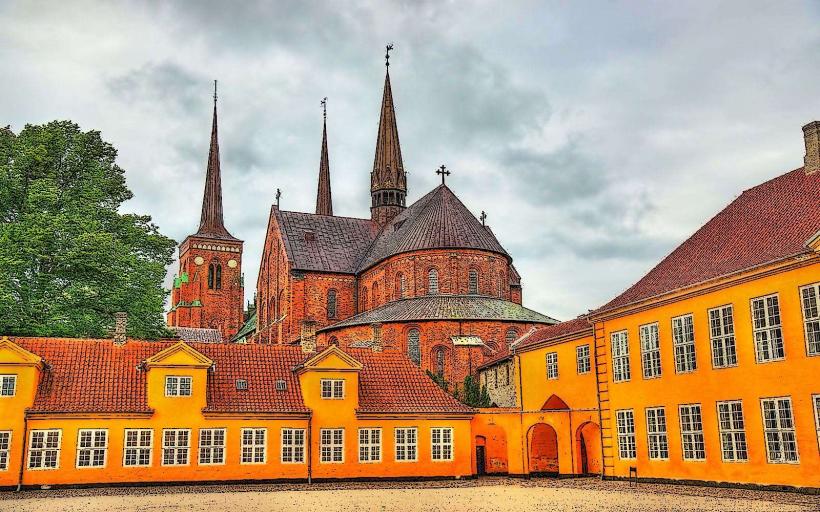
Roskilde Cathedral (Domkirke): A UNESCO World Heritage site and burial place of 40 Danish kings and queens.
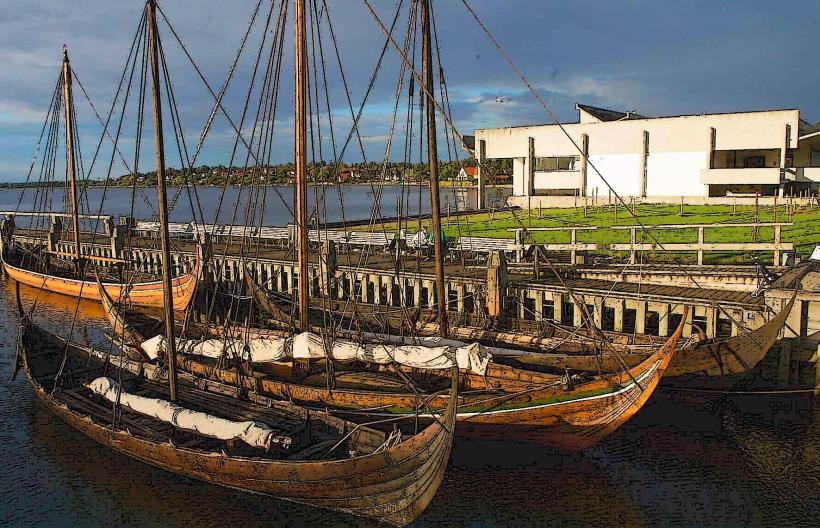
Viking Ship Museum (Vikingeskibsmuseet): Housing five original 11th-century ships recovered from the fjord.
Ragnarock: A bold, gold-clad museum dedicated to pop, rock, and youth culture.
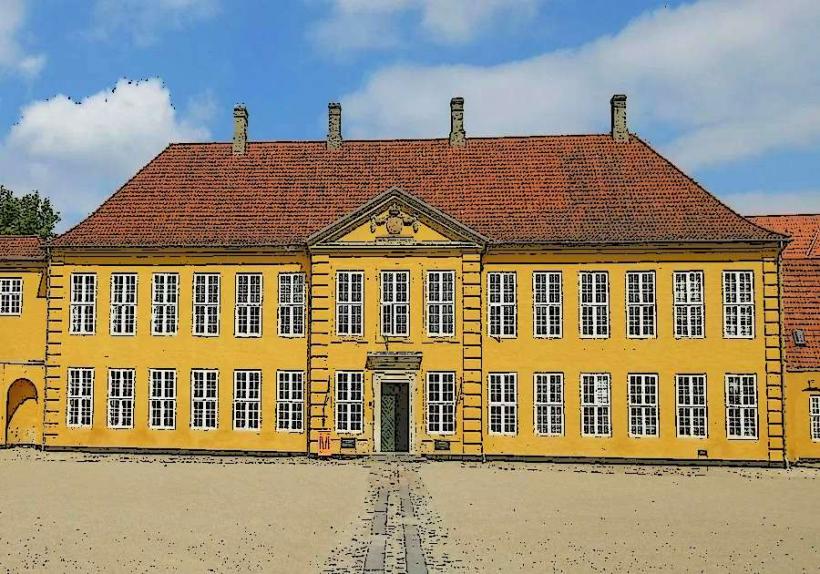
The Royal Mansion (Det Gule Palæ): An 18th-century baroque complex housing the Museum of Contemporary Art.
Roskilde Fjord: A shallow, 40km-long waterway used for traditional sailing and recreation.
Transportation Network
Movement is dominated by the Roskilde Railway Station, the busiest hub in Denmark outside Copenhagen, with trains to the capital arriving every 10–15 minutes (25-minute transit). There is no metro or light rail. The city is highly walkable, though the trek between the Cathedral and the Harbour is notably steep. Air travel is via Copenhagen Airport (CPH).
Safety & "Red Zones"
The safety level is extremely high. There are no "red zones." During the Roskilde Festival week in late June/early July, the city experiences a massive influx of 130,000 people; while generally peaceful, standard large-crowd awareness is necessary.
Digital & Financial Infrastructure
Average internet speed is 200–1000 Mbps via fiber-optic. Main carriers are TDC, 3 (Tre), and Telenor. The city is cashless; card and mobile payments (MobilePay) are universal.
Climate & Air Quality
Temperatures range from 0°C in winter to 22°C in summer. The city is slightly more sheltered than coastal Jutland but remains prone to Baltic dampness. Air quality is exceptional.
Culture & Social Norms
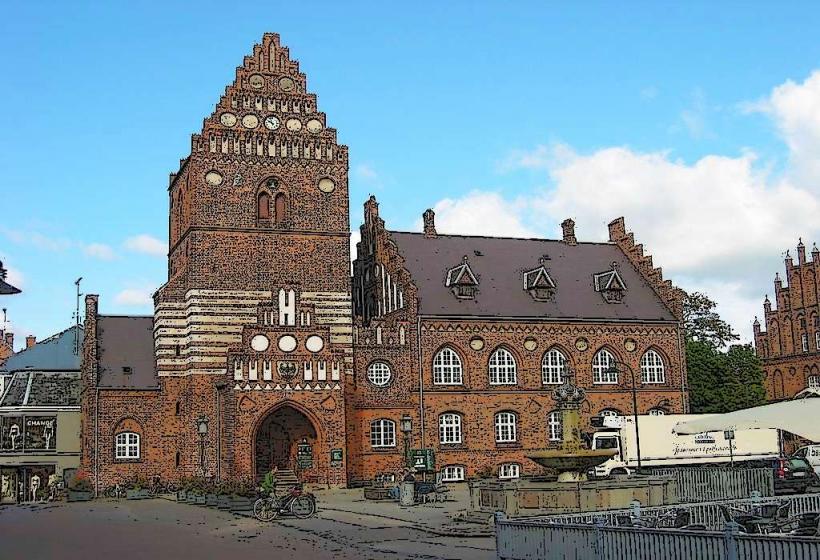
Tipping is not required. The culture is defined by a blend of ancient tradition and progressive youth culture. Social life revolves around the Stændertorvet market square and the creative hubs in Musicon.
Accommodation Zones
Stay in the City Center for historic proximity and transit access.
Stay near the Harbour for fjord views and traditional maritime atmosphere.
Local Cost Index
1 Espresso: 35 – 45 DKK
1 Standard Lunch (Cafe/Sandwich): 130 – 190 DKK
1 Viking Ship Museum Entry: 125 – 160 DKK (seasonal)
Nearby Day Trips
Lejre (Land of Legends): 12 km (15 minutes) – An open-air archaeological park.
Copenhagen: 30 km (25 minutes by train).
The Tramway Museum (Skjoldenæsholm): 25 km (30 minutes).
Facts & Legends
Local legend claims Harald Bluetooth is buried within a pillar in the Cathedral, though his grave has never been found. A verified historical fact is that the Viking Ship Museum allows visitors to sail in authentic reconstructed Viking longships on the fjord during the summer months.