Information
Country: DenmarkContinent: Europe
Denmark, Europe
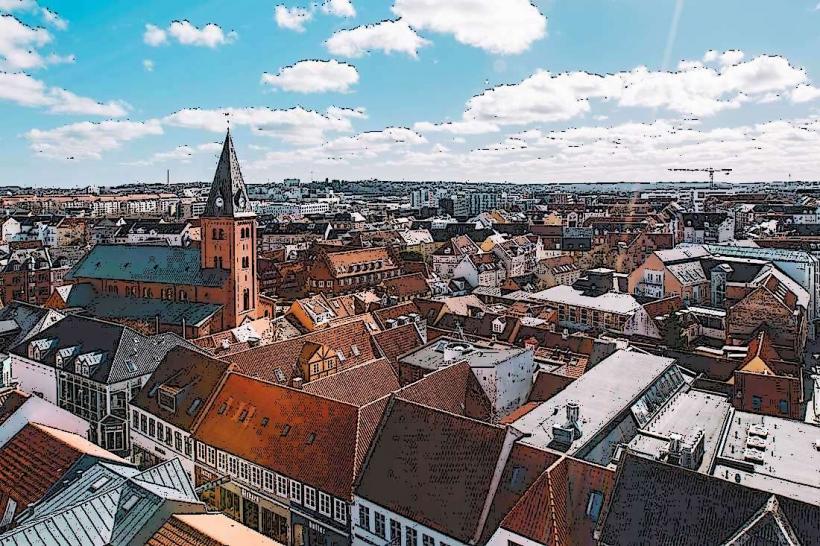
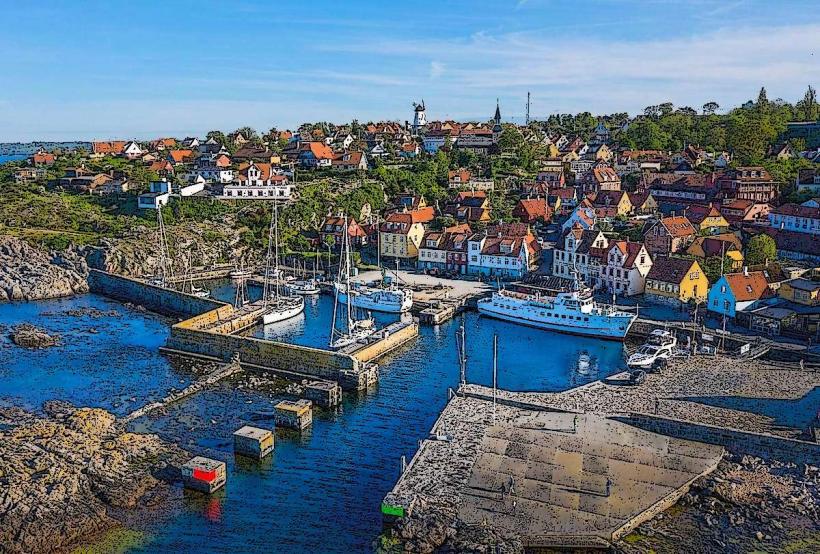
Denmark is located in Northern Europe, consisting of the Jutland Peninsula and an archipelago of 406 islands (70 inhabited). It borders Germany to the south and is connected to Sweden via the Øresund Bridge; the capital city is Copenhagen.
Visa & Entry Policy
Denmark is a member of the Schengen Area. Citizens of the US, UK, and EU do not require a visa for stays up to 90 days within a 180-day period. Starting in late 2026, non-EU visa-exempt travelers must obtain an ETIAS (European Travel Information and Authorisation System) authorization prior to arrival. Passports must be valid for at least three months beyond the intended departure date.
Language & Communication
The official language is Danish. English proficiency is among the highest in the world for non-native speakers, with approximately 86% of the population being fluent. In Southern Jutland, German is a recognized minority language. Communication is direct and informal.
Currency & Payment Systems
The currency is the Danish Krone (DKK). Denmark is a nearly cashless society; card payments and mobile solutions (MobilePay) account for over 90% of transactions. While cash remains legal tender, many establishments-particularly in urban centers-prefer or exclusively accept digital payments. ATMs are available but less frequent than in neighboring Germany.
National Transport Grid
The transport network is centered on the DSB (Danish State Railways), which connects major hubs via the "InterCity" and "InterCityLyn" services. The Great Belt Fixed Link and Øresund Bridge facilitate continuous rail and road transit between islands and to Sweden. Domestic flights are available from Copenhagen to Aalborg, Aarhus, and Billund, though rail is the primary choice for intercity travel.
Digital Infrastructure
Primary mobile network providers are TDC (TDC NET), Telenor, Telia, and 3 (Hi3G). 5G coverage is nearly universal as of 2026, with TDC NET operating the first 5G Standalone network in the country. Public Wi-Fi is standard in libraries, trains, and city centers.
Climate & Seasonality
The climate is temperate maritime. Summers are mild (15°C–22°C), and winters are cool (0°C–5°C) with frequent rain and wind. Denmark experiences "variable" weather; precipitation is distributed throughout the year, with an average of 171 days of rain or snow annually. Daylight varies significantly, from 7 hours in December to 17.5 hours in June.
Health & Safety
No mandatory vaccinations are required. Tap water is of exceptionally high quality and is the standard for consumption. The universal emergency number is 112. For non-emergency police assistance, dial 114. In the Capital Region, for non-life-threatening medical issues, dial 1813.
Top 3 Major Regions & Cities
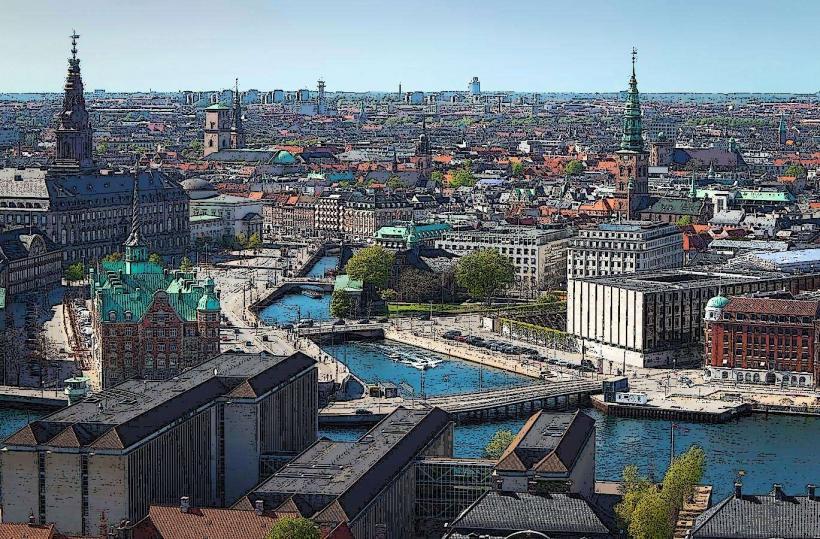
Capital Region: Primary hub is Copenhagen.
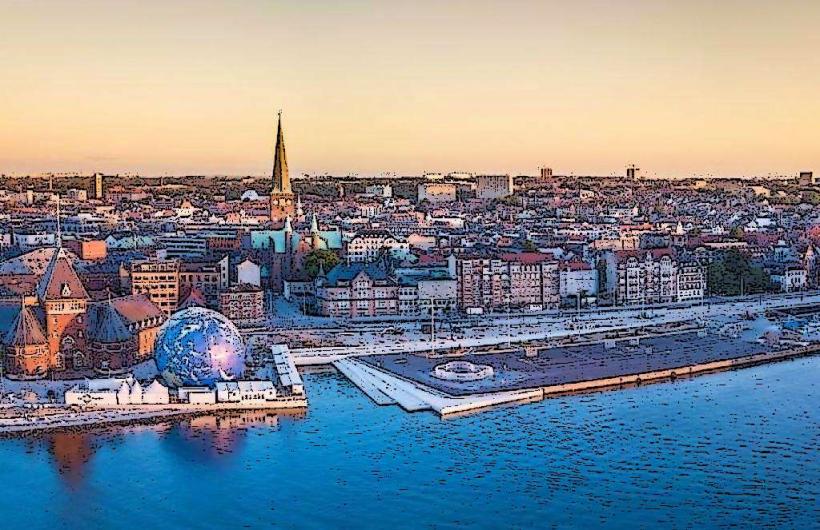
Central Denmark Region: Primary hub is Aarhus.
Southern Denmark: Primary hub is Odense.
Local Cost Index
1L Water: 10.00 DKK ($1.55 USD)
1 Domestic Beer: 45.00 DKK ($7.00 USD)
1 Sim Card (Prepaid Data): 100.00 DKK ($15.60 USD)
Facts & Legends
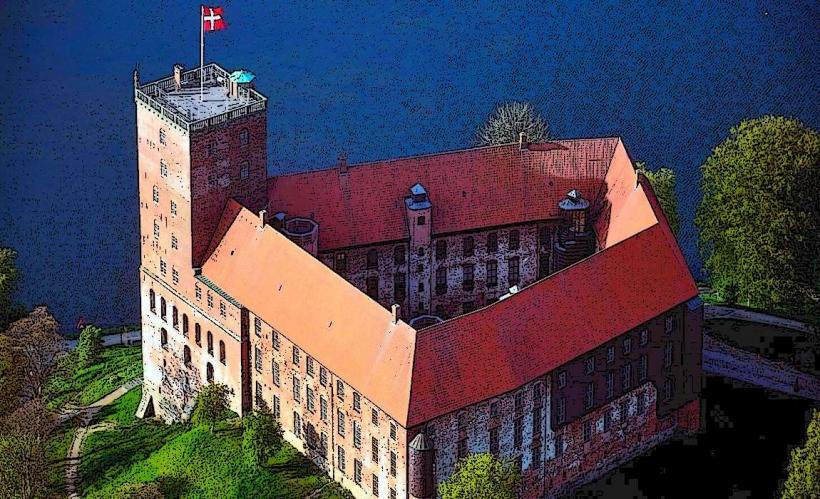
Denmark is the oldest continuous monarchy in Europe, tracing its roots back to Gorm the Old in the 10th century. According to the legend of Dannebrog, the Danish flag fell from the sky during the Battle of Lyndanisse in 1219, turning the tide for the Danish army. This makes it the oldest national flag in the world still in use. Additionally, the Danish concept of hygge (cosiness/well-being) is a fundamental cultural pillar.