Information
City: KoldingCountry: Denmark
Continent: Europe
Kolding, Denmark, Europe
Kolding serves as a strategic transportation and commercial nexus in the Triangle Region of Denmark. It functions as a historical gateway between Jutland and the Danish islands, characterized by its mix of medieval royal heritage and its contemporary status as a hub for design and logistics.
Historical Timeline
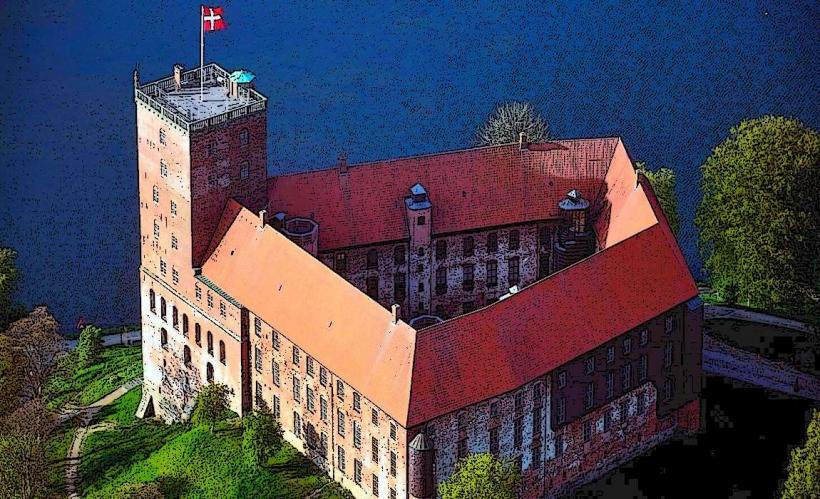
Founded in the 12th century as a border fortress between the Kingdom of Denmark and the Duchy of Schleswig. The primary event shaping its form was the Great Fire of 1808, sparked by Spanish troops stationed at the castle, which left the royal palace in ruins for over a century. The late 20th century was defined by the city's transformation into a design center, spearheaded by the establishment of the Kolding School of Design and the complete restoration of Koldinghus.
Demographics & Population
The population is approximately 63,000 (2026 estimate), with the wider municipality reaching 95,000. The demographic is influenced by a large student population (approx. 1 in 10 residents) attending the University of Southern Denmark (SDU) and the design school.
Urban Layout & Key Districts
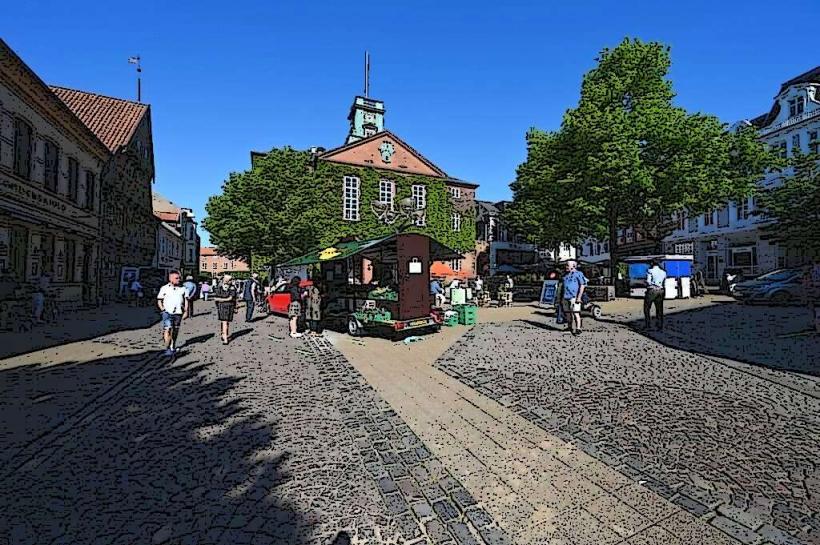
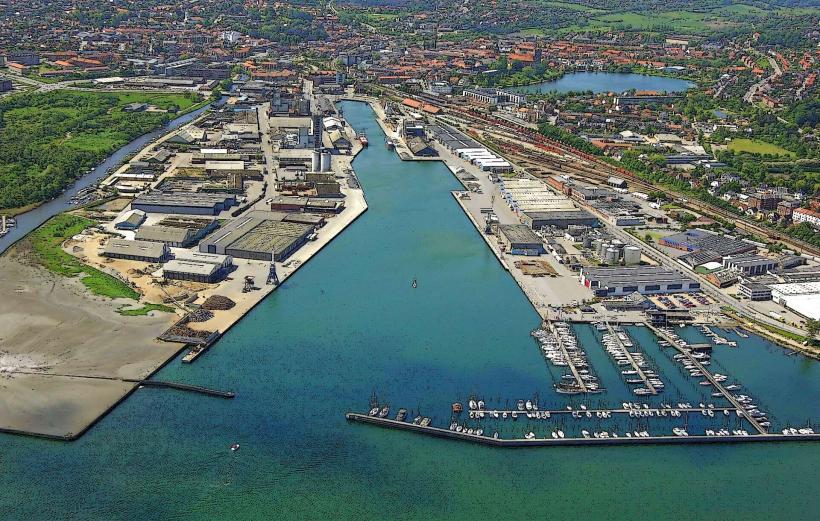
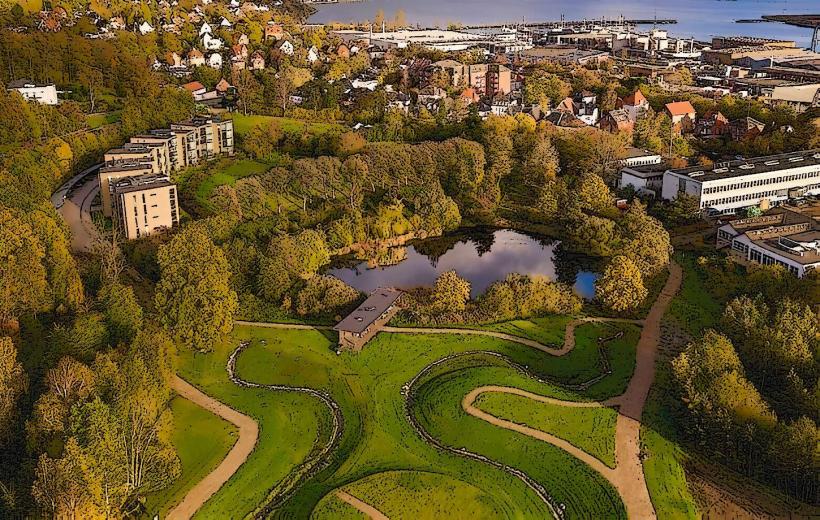
The city is situated at the head of the Kolding Fjord. Key districts include the Historic Center, clustered around the castle and the lake (Slotssøen); Latinerkvarteret, known for its creative studios and cafes; and the North District, which houses the Kolding Storcenter, the largest shopping mall in Jutland.
Top City Landmarks
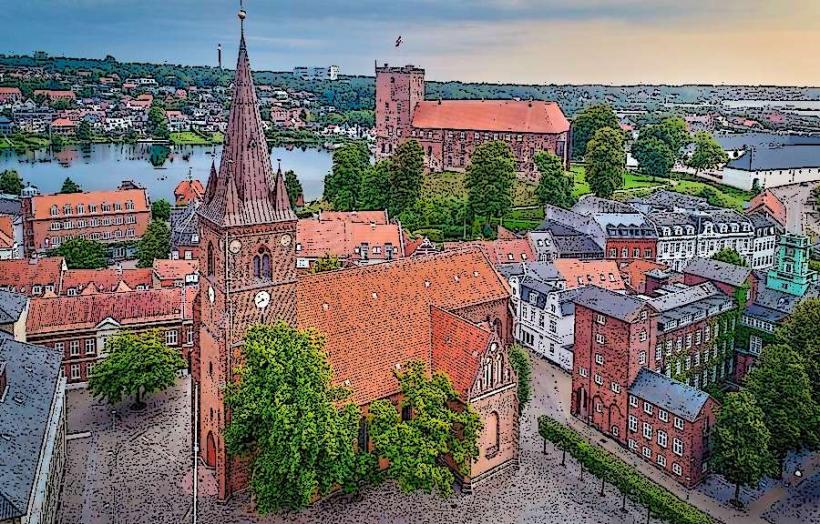
Koldinghus: The last royal castle in Jutland, featuring a starkly modern restoration inside a medieval shell.
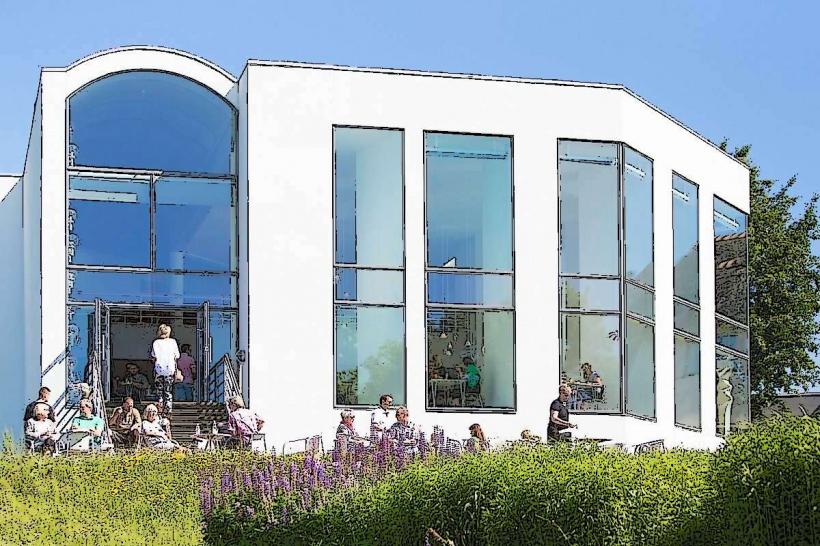
Trapholt Museum: A leading museum for modern art, craft, and furniture design overlooking the fjord.
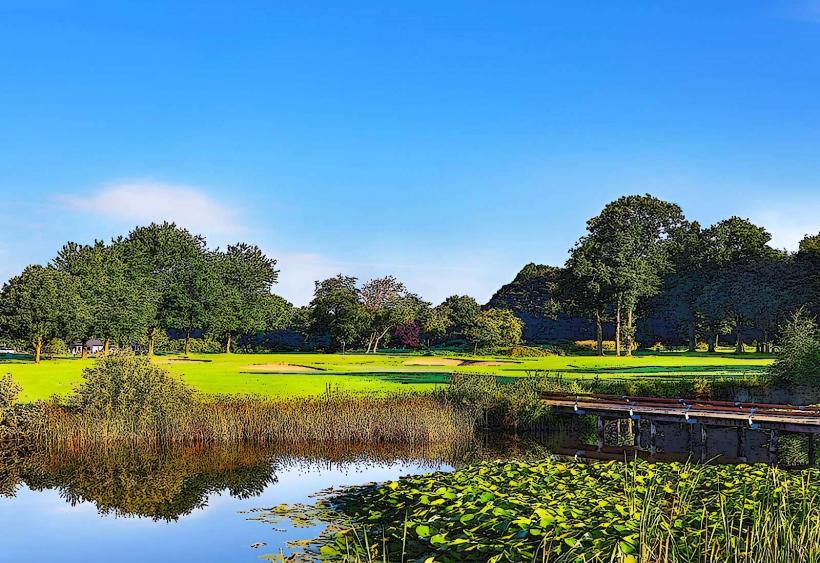
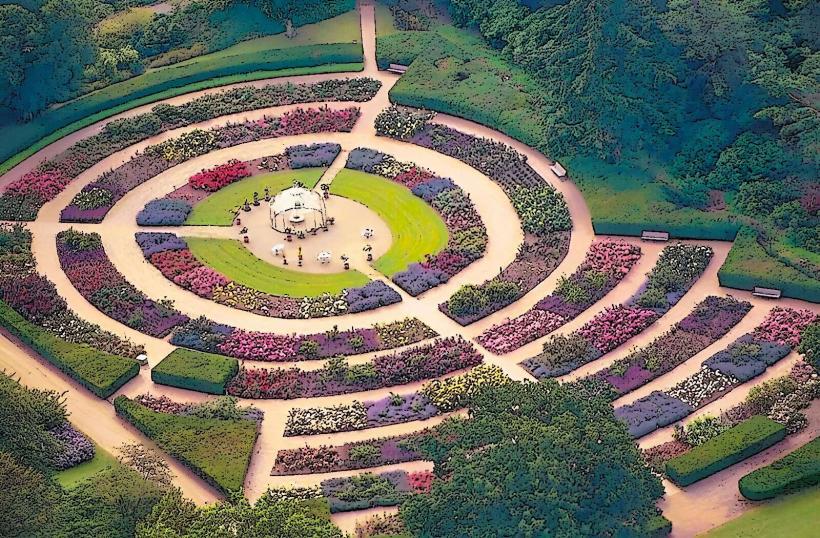
Geografisk Have (Geographical Garden): A 12-hectare botanical park with plants organized by their country of origin.
Saint Nicolai Church: A 13th-century red-brick Gothic church in the city core.
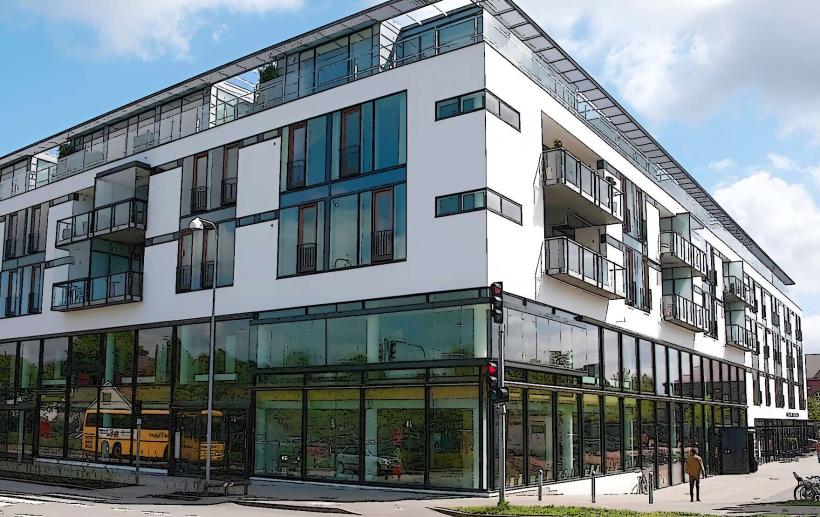
The Nicolai Complex: A repurposed school building now serving as a cultural and creative hub.
Transportation Network
Movement is facilitated by its position at the E20/E45 motorway junction, the most critical road node in Denmark. There is no light rail; local transit is managed by a comprehensive bus network. Kolding is a major stop on the InterCity rail line connecting Copenhagen to Hamburg and Aarhus. Air travel is serviced by Billund Airport (BLL), located 40 km west.
Safety & "Red Zones"
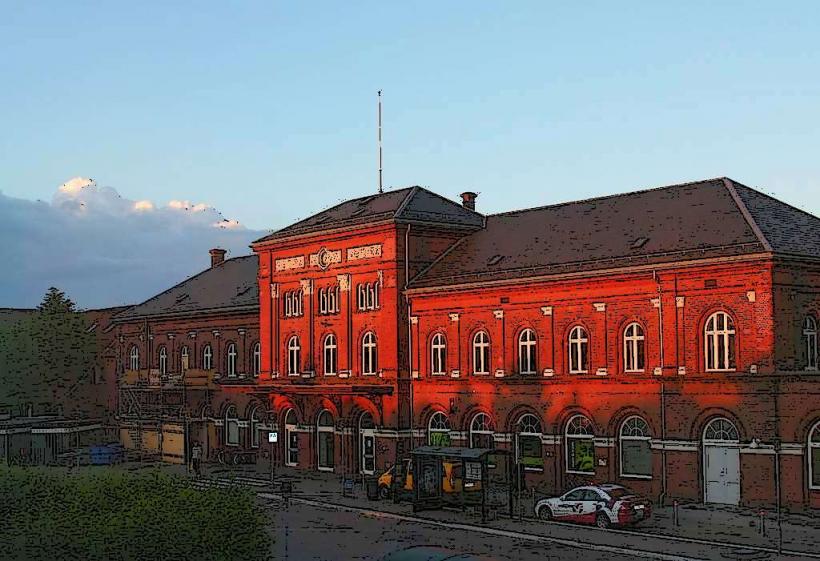
The safety level is high. There are no "red zones." Standard urban awareness is recommended around the central station late at night. The city is consistently ranked as a stable, family-friendly environment.
Digital & Financial Infrastructure
Average internet speed is 200–1000 Mbps via fiber-optic. Main carriers are TDC, Telenor, and 3 (Tre). The city is cashless; card and mobile payments (MobilePay/Apple Pay) are universal.
Climate & Air Quality
Temperatures range from 0°C in winter to 21°C in summer. The city's location at the end of a fjord provides more shelter from North Sea winds than West Jutland. Air quality is exceptional.
Culture & Social Norms
Tipping is not expected. The culture is defined by a "Design Thinking" approach, visible in public spaces and urban planning. Social life centers on the Slotssøen lake paths and the creative venues in the city center.
Accommodation Zones
Stay in the City Center for immediate access to Koldinghus and the railway station.
Stay near Kolding Fjord for high-end hotel stays with scenic water views and forest access.
Local Cost Index
1 Espresso: 35 – 45 DKK
1 Standard Lunch (Cafe/Deli): 130 – 190 DKK
1 Entry to Koldinghus: 130 DKK
Nearby Day Trips
Christiansfeld: 15 km (15 minutes) – A UNESCO World Heritage Moravian church settlement.
Legoland Billund: 40 km (35 minutes).
Vejle: 30 km (25 minutes) – For modern architecture like "The Wave."
Bridgewalking Lillebælt: 20 km (20 minutes) – Walking on top of the Old Little Belt Bridge.
Facts & Legends
Koldinghus was the site where the Danish king famously met with the Russian Tsar in the 18th century. A verified historical fact is that the castle was left as a "romantic ruin" for decades before a multi-million dollar restoration used hanging wooden structures to support the original walls without touching the ancient masonry.