Information
City: AalborgCountry: Denmark
Continent: Europe
Aalborg, Denmark, Europe
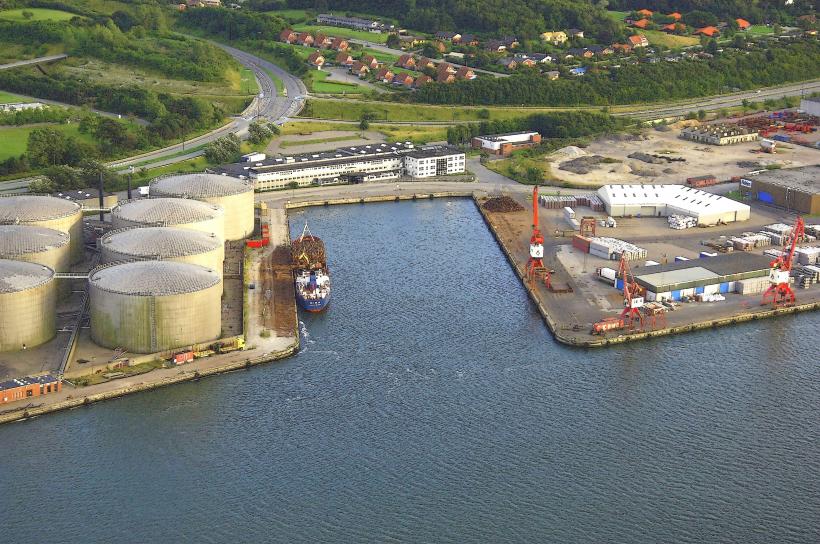
Aalborg serves as the fourth-largest city in Denmark and the industrial and cultural gateway to North Jutland. It functions as a global leader in green energy research and cement production, characterized by a stark contrast between its heavy industrial history and a modern, architecturally significant waterfront.
Historical Timeline
Founded as a Viking harbor in the 10th century, Aalborg became a major trade center for the Limfjord region. The primary event shaping its modern urban form was the mid-20th-century industrial boom, dominated by the Aalborg Portland cement factory. In the 21st century, the city underwent a massive "rebranding" following the closure of traditional shipyards, centered on the rejuvenation of the waterfront and the 1974 establishment of Aalborg University (AAU).
Demographics & Population
The population is approximately 120,000 (2026 estimate), with the wider municipality reaching 222,000. The demographic is notably young and international due to the university's focus on engineering and technology. The median age is approximately 38 years.
Urban Layout & Key Districts
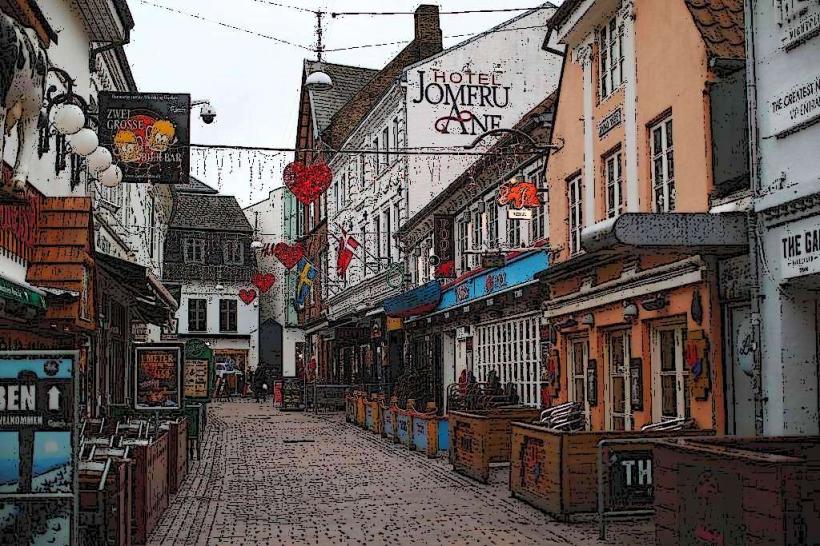
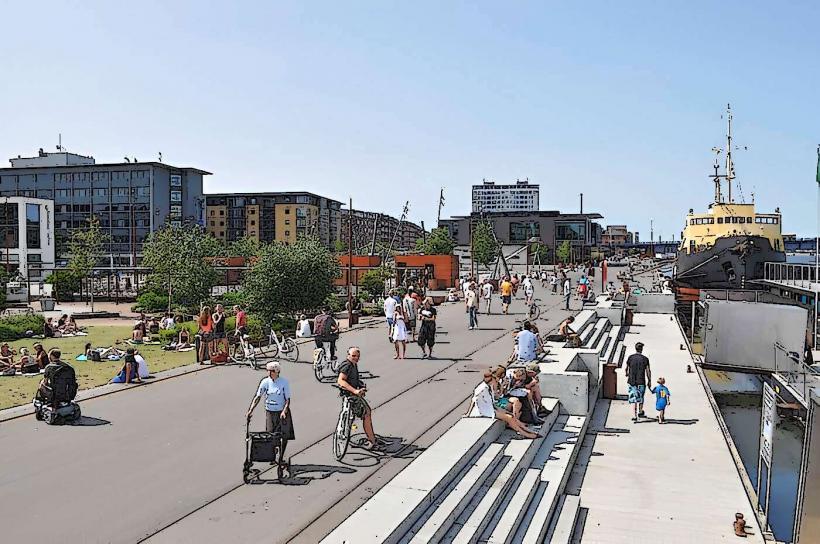
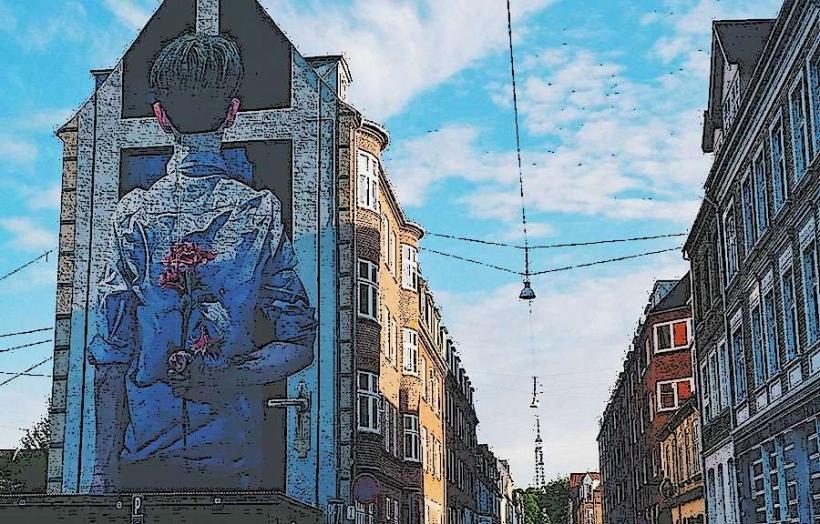
The city is situated on the south side of the Limfjord. Key districts include the Waterfront, a hub for culture and education; Vestbyen, a trendy residential area near the fjord; and Jomfru Ane Gade, a single street in the center famous for containing the highest concentration of bars and clubs in Scandinavia. Nørresundby is the residential district located directly across the bridge to the north.
Top City Landmarks
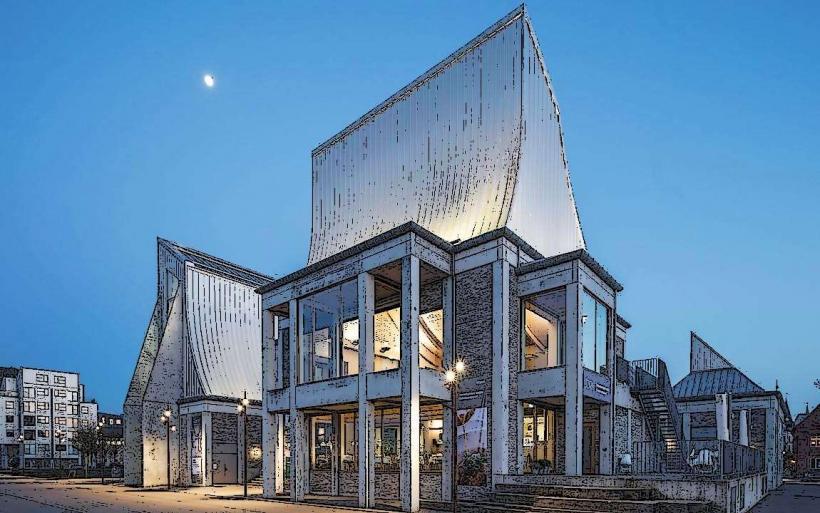
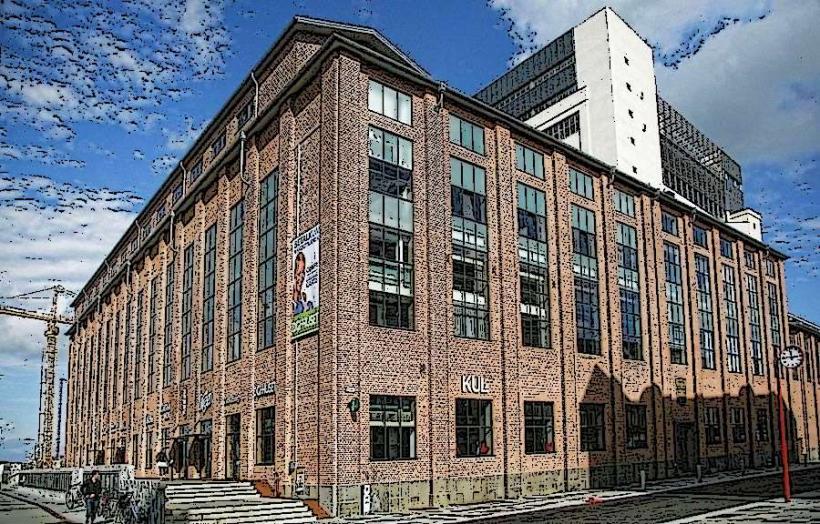
Utzon Center: The last building designed by Jørn Utzon (architect of the Sydney Opera House), who grew up in Aalborg.
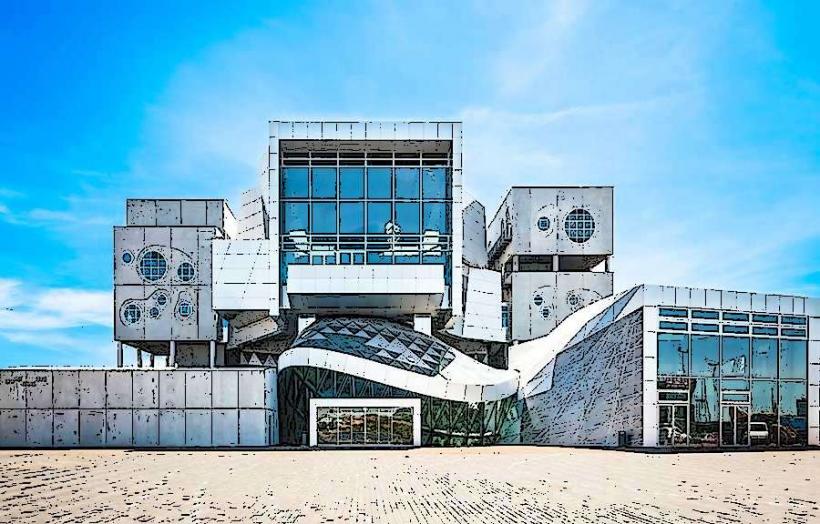
Musikkens Hus (House of Music): An architectural landmark and world-class concert hall.
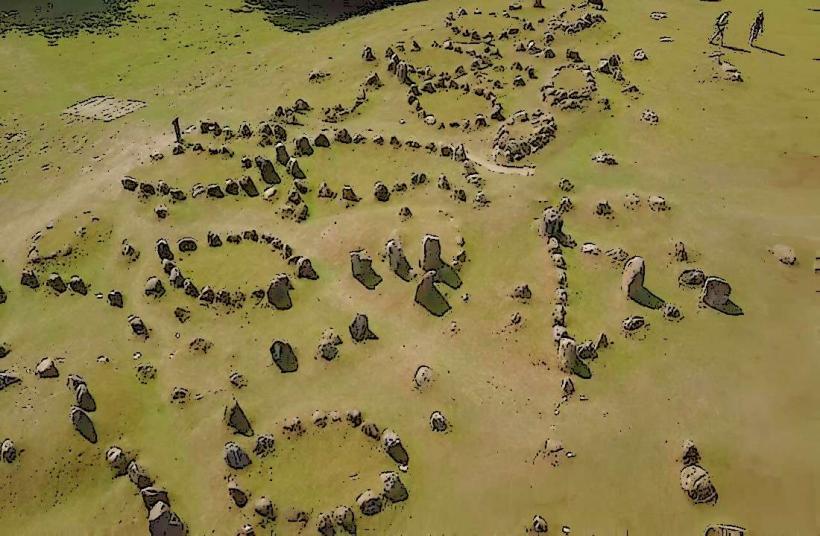
Lindholm Høje: A massive Viking burial ground and museum overlooking the city.
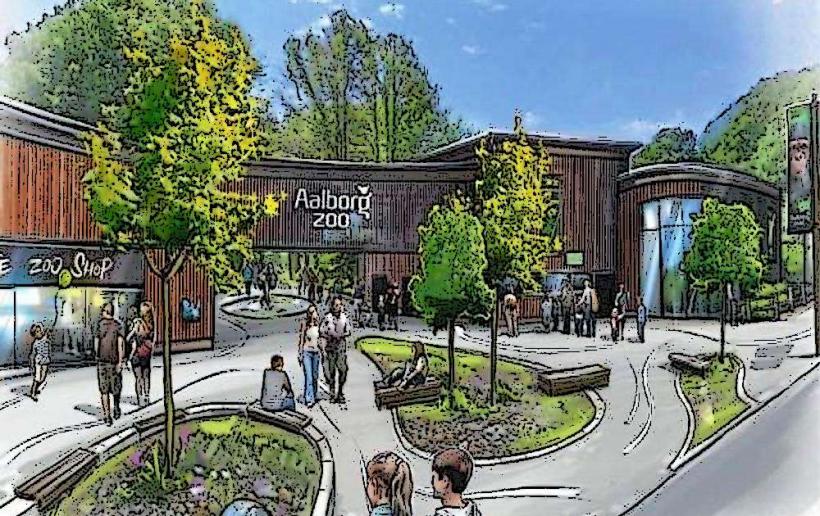
Aalborg Zoo: One of Denmark's major zoos, focused on conservation.
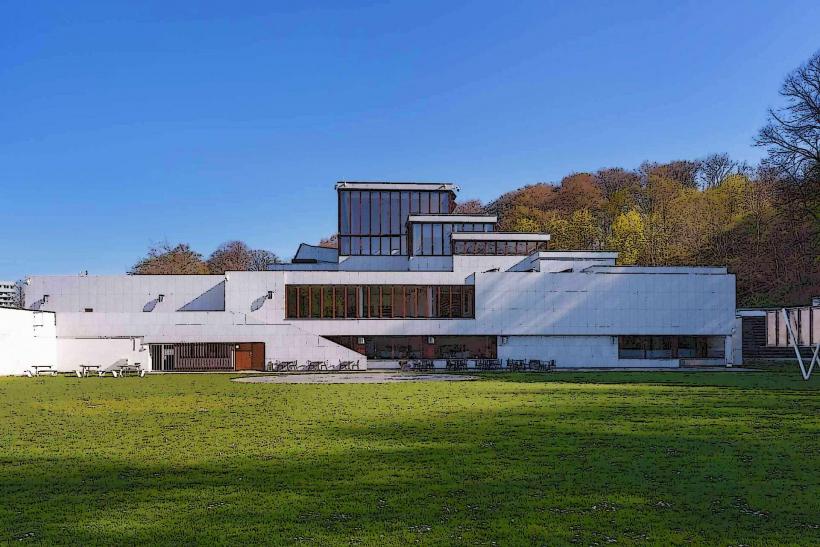
Kunsten Museum of Modern Art: Designed by Alvar Aalto, featuring a distinct marble exterior.
Transportation Network
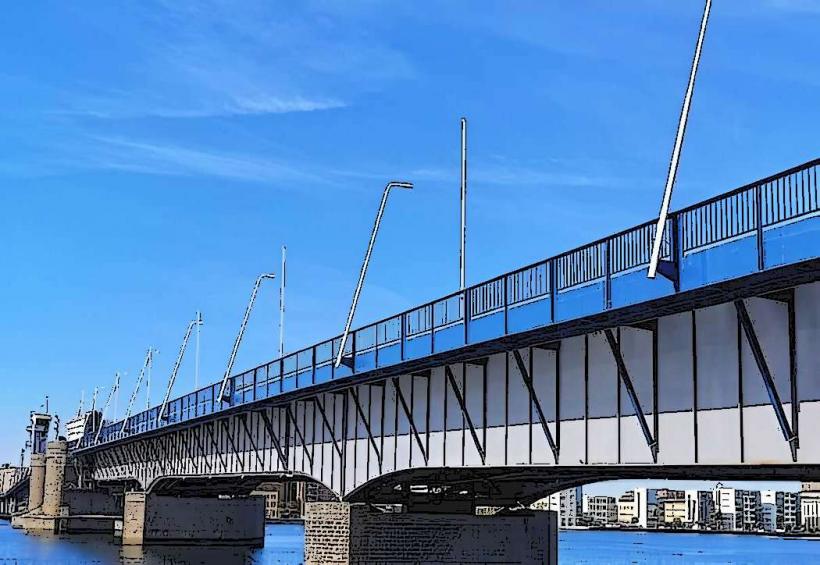
Movement is facilitated by a comprehensive bus network, including the PlusBus (BRT) system that utilizes high-capacity electric buses on dedicated lanes. There is no metro or light rail. Air travel is serviced by Aalborg Airport (AAL), 6 km from the center, which serves as a major domestic and international hub. The Limfjord Bridge and tunnel connect the city to northern Jutland.
Safety & "Red Zones"
The safety level is high. There are no "red zones." Jomfru Ane Gade can become highly volatile on weekend nights due to excessive alcohol consumption, though police presence is constant. Standard urban awareness applies near the central station.
Digital & Financial Infrastructure
Average internet speed is 200–1000 Mbps via fiber-optic. Main carriers are TDC, Telenor, and 3 (Tre). The city is cashless; card and mobile payments are universal. ATMs are available but rarely utilized by locals.
Climate & Air Quality
Temperatures range from 0°C in winter to 21°C in summer. The city is subject to strong winds from the Limfjord. Air quality is good, though the Aalborg Portland factory remains a significant industrial presence on the city's eastern periphery.
Culture & Social Norms
Tipping is not required. The culture is defined by "Nordjysk" (North Jutlandic) pragmatism. The Aalborg Carnival in May is the largest carnival in Northern Europe, attracting over 100,000 participants. Social life is heavily centered on the renovated harbor baths and public parks.
Accommodation Zones
Stay near the Waterfront for proximity to major cultural landmarks and views of the fjord.
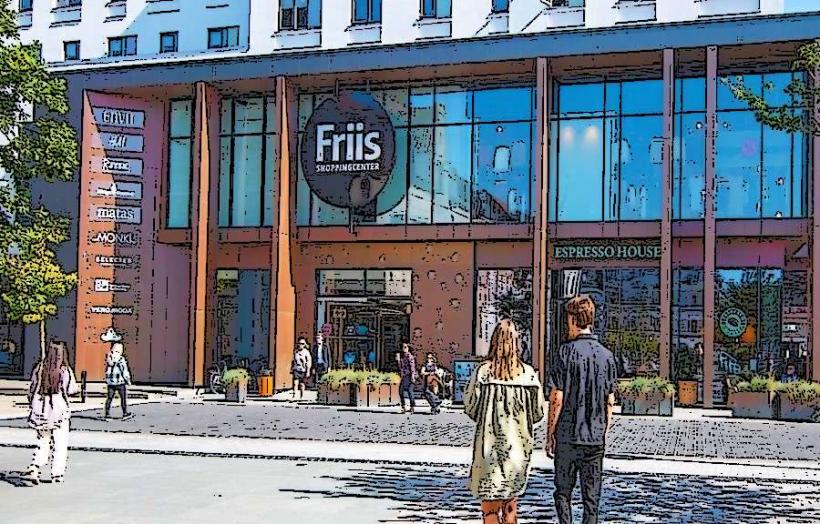
Stay in the City Center for access to shopping and the nightlife district.
Local Cost Index
1 Espresso: 35 – 45 DKK
1 Standard Lunch (Smørrebrød/Cafe): 130 – 190 DKK
1 Beer on Jomfru Ane Gade: 40 – 70 DKK
Nearby Day Trips
Skagen: 100 km (1.5 hours) – The northernmost tip of Denmark where two seas meet.
Fårup Sommerland: 30 km (35 minutes) – A major amusement park in the forest.
Rubjerg Knude Lighthouse: 50 km (50 minutes) – Iconic lighthouse relocated inland to escape coastal erosion.
Facts & Legends
Aalborg Portland is the only remaining cement producer in Denmark and one of the largest in the world. Local legend claims the city’s underground is filled with secret Viking tunnels, while a verified historical fact is that the city is the primary producer of Aalborg Akvavit, the world-famous Scandinavian spirit.