Information
City: HelsingorCountry: Denmark
Continent: Europe
Helsingor, Denmark, Europe
Helsingør (Elsinore) serves as the primary gateway between Denmark and Sweden and a major historical maritime center. It is characterized by its location at the narrowest point of the Øresund strait and its international recognition as the setting for William Shakespeare’s Hamlet.
Historical Timeline
Founded in the 1200s, the town’s trajectory was fundamentally altered in 1429 by King Eric of Pomerania, who introduced Sound Dues. This tax on every ship passing through the strait funded the Danish crown for 400 years and transformed Helsingør into one of the most cosmopolitan towns in Europe. The primary event shaping its modern urban form was the mid-20th-century expansion of the Helsingør Shipyard, followed by its closure in 1983, which triggered a pivot toward culture and heritage tourism.
Demographics & Population
The population is approximately 47,000 (2026 estimate). The demographic is predominantly Danish, with a stable professional class commuting to Copenhagen and a significant population linked to the maritime and educational sectors.
Urban Layout & Key Districts
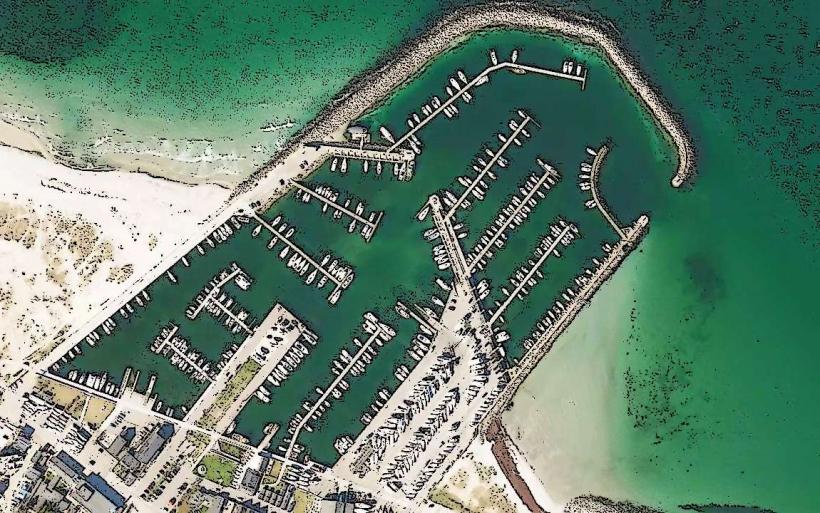
The city is built around its harbor. Key districts include the Medieval Core, featuring some of the best-preserved 16th-century houses in Denmark; Kulturhavn Kronborg, the renovated industrial harbor now housing museums and the library; and the Residential North, characterized by upscale coastal homes and beaches.
Top City Landmarks
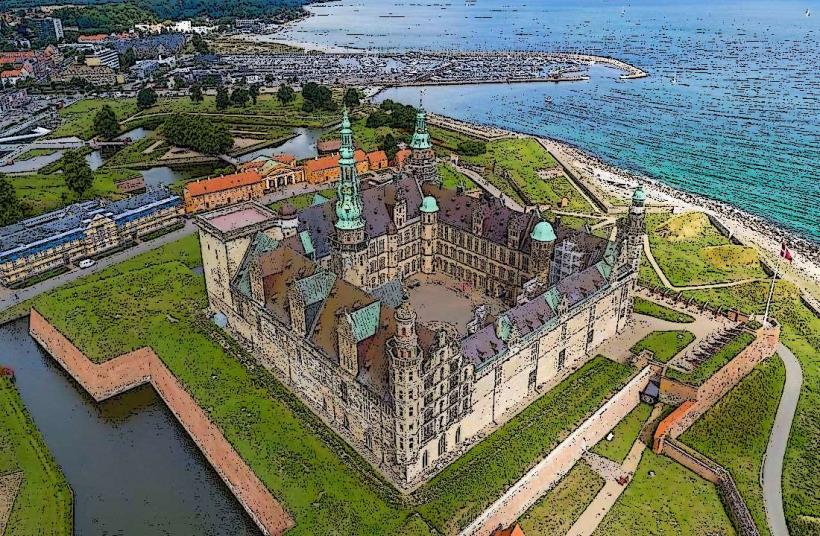
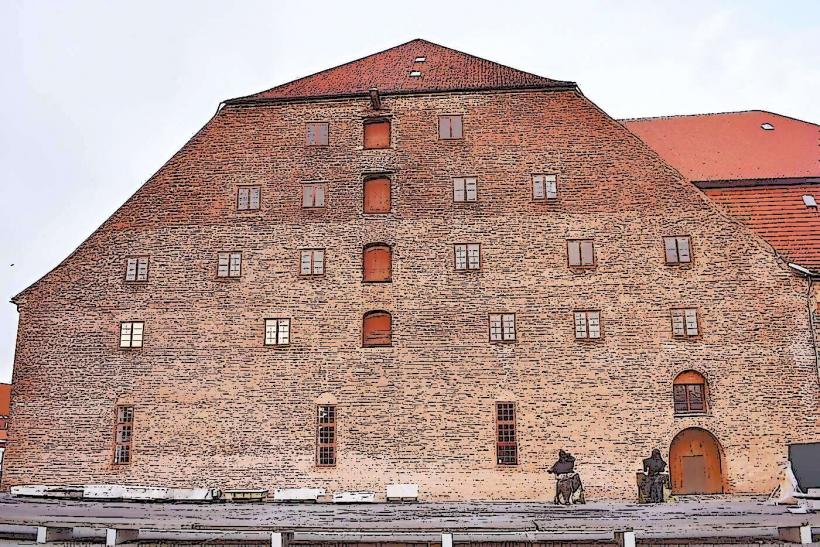
Kronborg Castle: A UNESCO World Heritage site, renaissance fortress, and the setting of Hamlet.
M/S Maritime Museum of Denmark: An underground museum built into a former dry dock, designed by BIG (Bjarke Ingels Group).
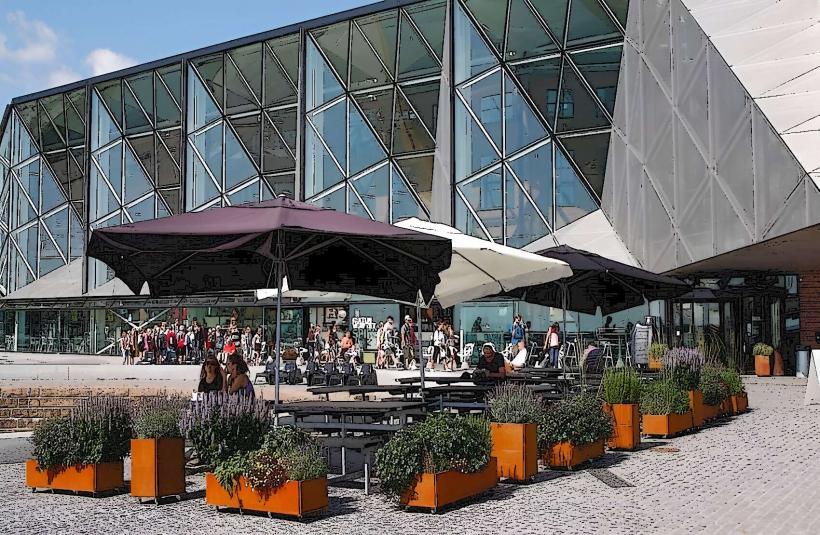
The Culture Yard (Kulturværftet): A repurposed shipyard building serving as a library, concert venue, and museum.
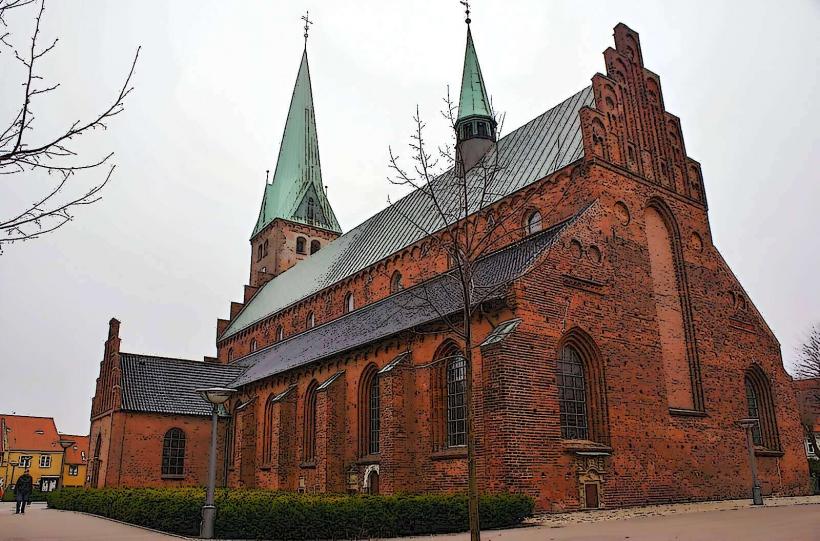
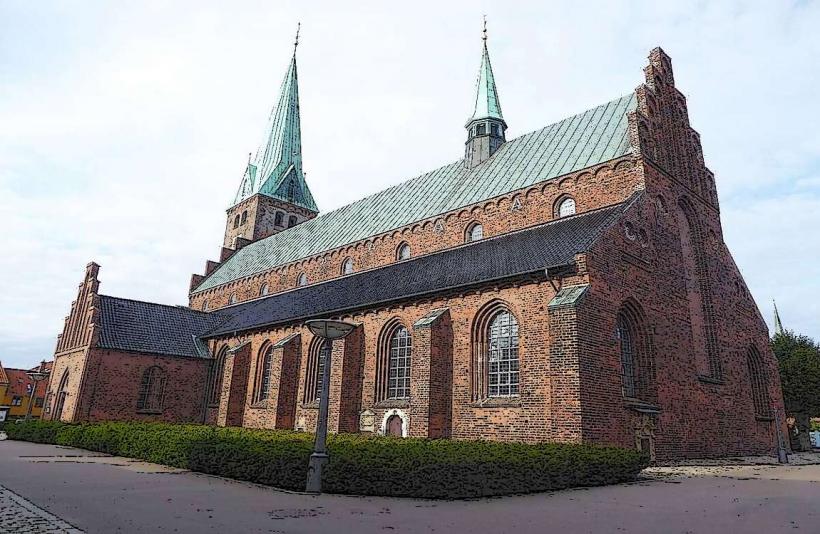
Helsingør Cathedral (Sankt Olai Kirke): A Gothic brick church dating back to the 13th century.
HAN: A polished steel sculpture of a seated man, often called the male counterpart to Copenhagen’s Little Mermaid.
Transportation Network
Movement is dominated by the Øresund Line (Kystbanen), which provides 24/7 rail links to Copenhagen (45 minutes). There is no metro. Maritime travel is serviced by the ForSea (Øresundslinjen) ferries, which depart every 15–20 minutes for Helsingborg, Sweden (20-minute crossing). The city is highly walkable and bike-friendly.
Safety & "Red Zones"
The safety level is high. There are no "red zones." Standard urban awareness is advised near the ferry terminal and railway station late at night, as these areas handle high volumes of transit passengers.
Digital & Financial Infrastructure
Average internet speed is 200–1000 Mbps via fiber-optic. Main carriers are TDC, 3 (Tre), and Telenor. The city is cashless; card and mobile payments (MobilePay/Apple Pay) are universal. ATMs are concentrated in the pedestrian shopping streets (Stengade).
Climate & Air Quality
Temperatures range from 0°C in winter to 21°C in summer. The town is highly exposed to sea breezes, resulting in higher humidity and wind chill. Air quality is exceptional, though the harbor experiences localized emissions from international shipping.
Culture & Social Norms
Tipping is not required. The culture is defined by its maritime heritage and the Shakespeare Festival, held annually in August at Kronborg. Social life revolves around the Stengade pedestrian street and the harbor-front cafes.
Accommodation Zones
Stay in the Old Town for historic atmosphere and proximity to the ferry.
Stay at Marienlyst (North) for luxury spa hotels and beach access.
Local Cost Index
1 Espresso: 35 – 45 DKK
1 Standard Lunch (Smørrebrød/Cafe): 140 – 220 DKK
1 Round-trip Ferry to Sweden (Pedestrian): 60 – 80 DKK
Nearby Day Trips
Louisiana Museum of Modern Art: 10 km (10 minutes by train).
Fredensborg Palace: 15 km (20 minutes by train) – The royal family’s spring and autumn residence.
Helsingborg, Sweden: Just across the water; requires a passport/ID for the crossing.
Facts & Legends
According to legend, the hero Holger Danske (Ogier the Dane) sleeps in the casemates of Kronborg Castle, ready to wake and defend Denmark if the nation is ever in mortal danger. A verified historical fact is that the Sound Dues were so profitable that at their peak, they accounted for up to two-thirds of the entire Danish state's revenue.