Information
Landmark: Danish King's MuseumCity: Helsingor
Country: Denmark
Continent: Europe
Danish King's Museum, Helsingor, Denmark, Europe
Visual Characteristics
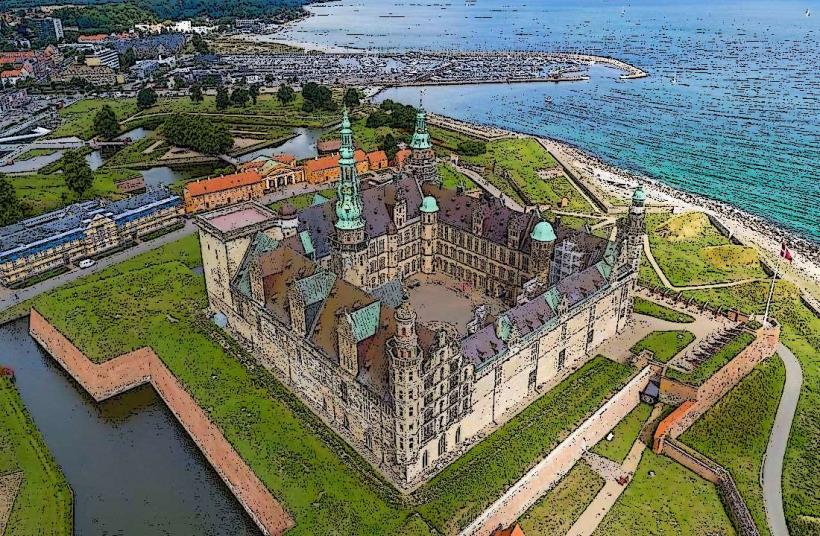
The museum's exhibits are housed within Kronborg Castle, a large Renaissance fortress constructed primarily from light sandstone with distinctive green copper roofs on its towers and spires. The castle features four main wings surrounding a central courtyard, with a prominent gatehouse and defensive bastions. Its architectural style is Northern Renaissance, characterized by ornate gables, decorative stonework, and tall, narrow windows. The structure stands approximately 30 meters at its highest points, including the main towers.
Location & Access Logistics
The museum is situated within Kronborg Castle, located at Kronborg 2C, 3000 Helsingor, approximately 1.5 kilometers northeast of Helsingor city center. Access is via Kronborgvej. Paid parking is available directly outside the castle grounds. Helsingor Station, a central hub for regional trains and the ferry to Helsingborg, Sweden, is 1.2 kilometers southwest, a 15-minute walk. Local bus lines, including routes 801A and 802A, have stops within 500 meters of the castle entrance.
Historical & Ecological Origin
Kronborg Castle, which houses the museum, was constructed between 1574 and 1585 by King Frederick II, replacing an earlier fortress known as Krogen. Its original purpose was to collect Sound Dues from ships passing through the Oresund strait and to serve as a royal residence. The exhibitions within the castle specifically focus on the Danish monarchy's history, their personal effects, and the castle's role in their reigns, evolving over centuries as the castle transitioned from a royal residence to a military barracks and eventually a museum.
Key Highlights & Activities
Visitors can explore the Royal Chambers, including the King's and Queen's Apartments, which display period furniture and artifacts related to Danish monarchs. The Great Ballroom, Northern Europe's largest, is accessible. The Casemates, a network of underground passages, offer insight into the castle's defensive capabilities. Specific exhibitions detail the history of the Sound Dues and the castle's military significance. Guided tours of the castle, often including specific royal history narratives, depart at scheduled intervals.
Infrastructure & Amenities
Restrooms are available within the castle complex. Limited natural shade is present in the courtyards, with indoor areas providing shelter. Cell phone signal (4G/5G) is generally strong throughout the castle grounds and interior. A café and gift shop are located within the castle complex, offering refreshments and souvenirs. Additional food vendors and restaurants are available within a 1-kilometer radius in Helsingor city center.
Best Time to Visit
The museum is best visited during the shoulder seasons of April-May or September-October to avoid peak summer crowds. Weekday mornings, shortly after opening, typically offer fewer visitors. For photography of the castle exterior, late afternoon light provides a warm glow on the sandstone facades. The exhibitions are entirely indoors, making them suitable for any weather conditions. No specific tide requirements affect access or viewing.
Facts & Legends
A verified historical oddity is that Kronborg Castle was once home to a significant collection of tapestries depicting Danish kings, commissioned by Frederick II. While many were lost in a 1629 fire, some surviving examples are displayed, illustrating the monarch's desire to visually assert his lineage and power. A local legend states that Holger Danske, a mythical Danish hero, sleeps in the castle's casemates, ready to awaken and defend Denmark in times of peril.
Nearby Landmarks
- Helsingor City Center: 0.5km South
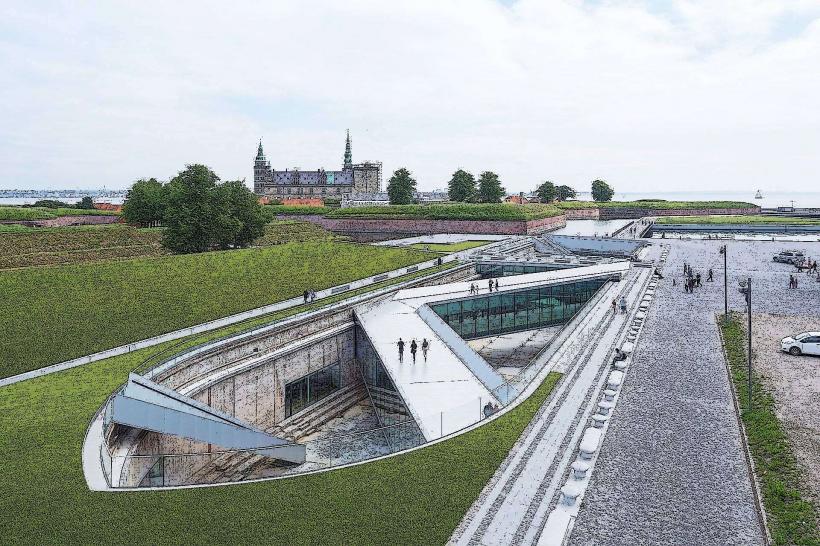
- Danish Maritime Museum (M/S Museet for Søfart): 0.2km West
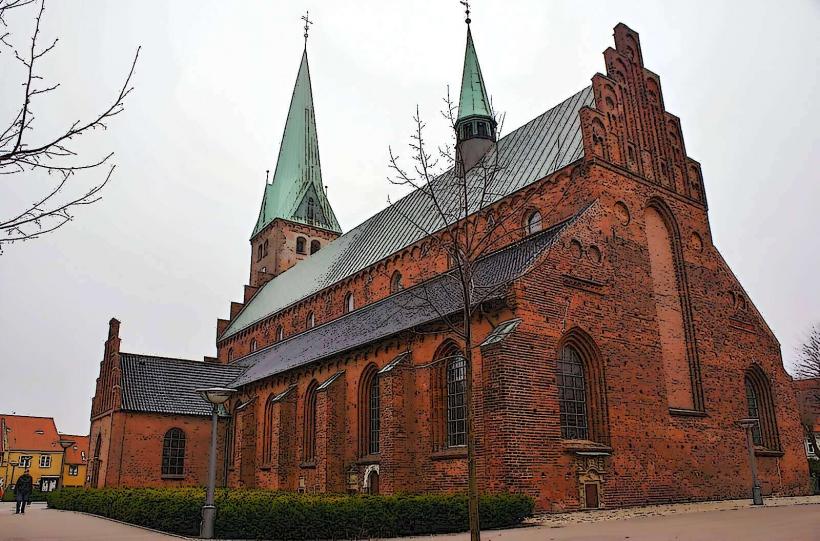
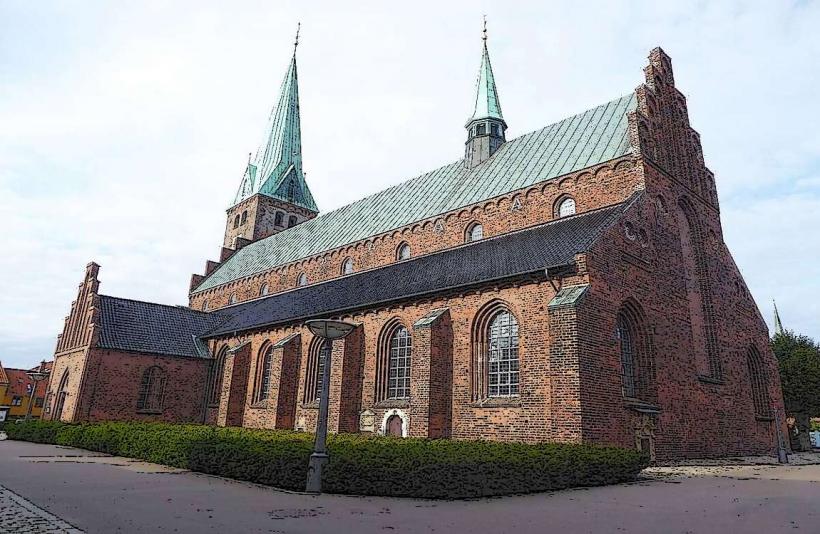
- St. Olai's Church (Sankt Olai Kirke): 0.8km Southwest
- Helsingor Ferry Terminal (to Helsingborg, Sweden): 0.7km West
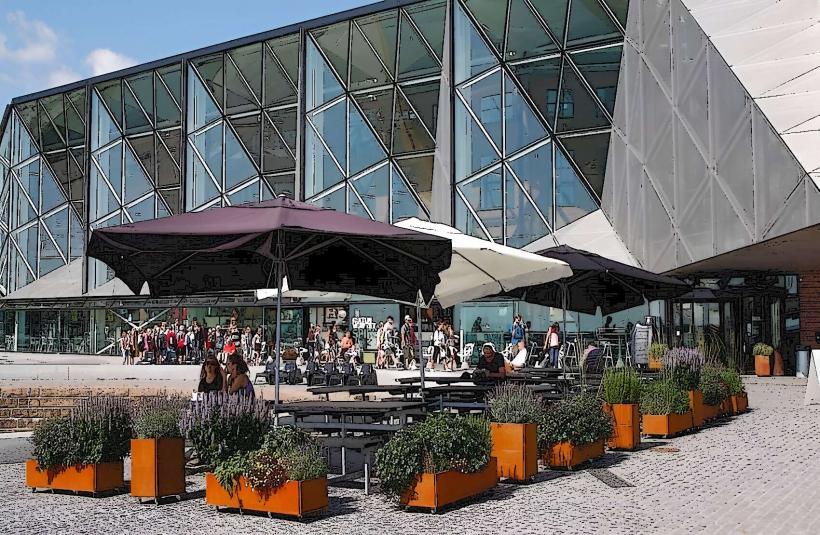
- Culture Yard (Kulturværftet): 0.3km West