Information
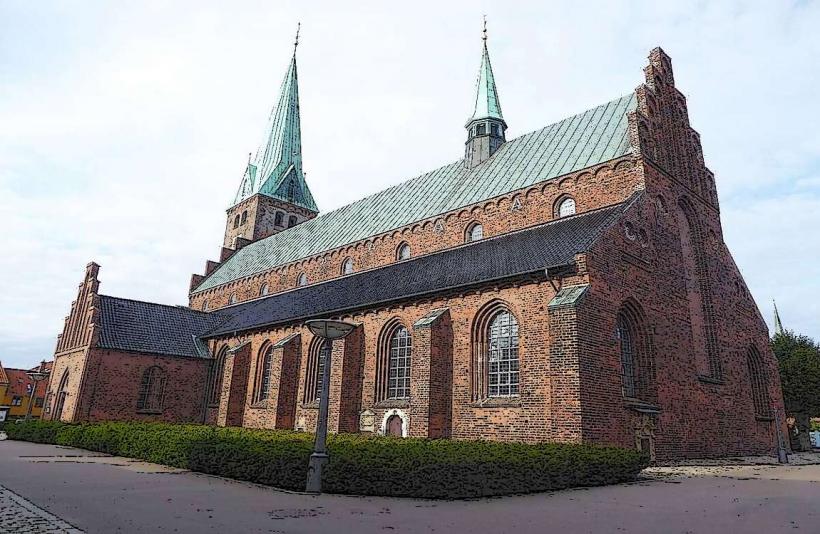
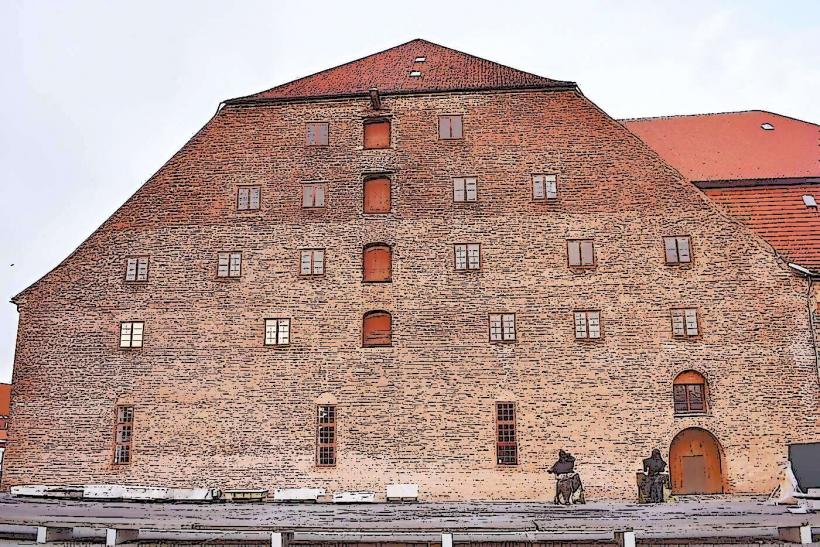
Landmark: Helsingør CathedralCity: Helsingor
Country: Denmark
Continent: Europe
Helsingør Cathedral, Helsingor, Denmark, Europe
Overview
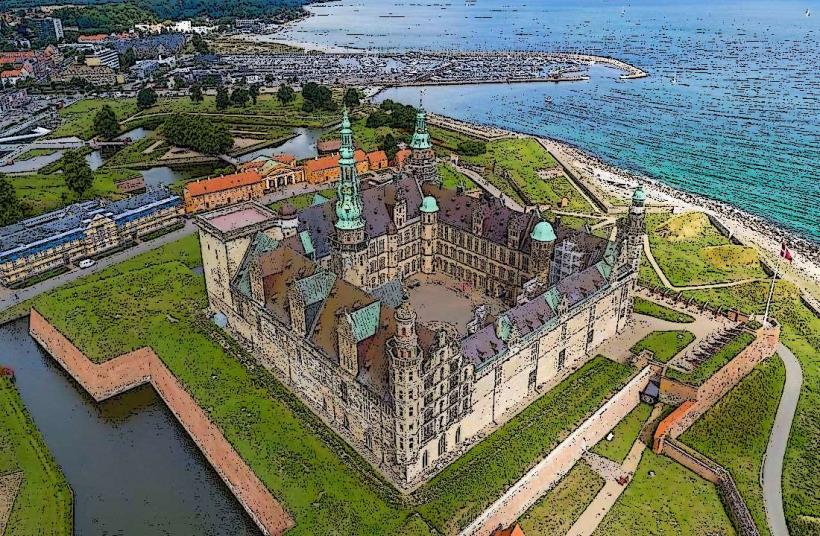
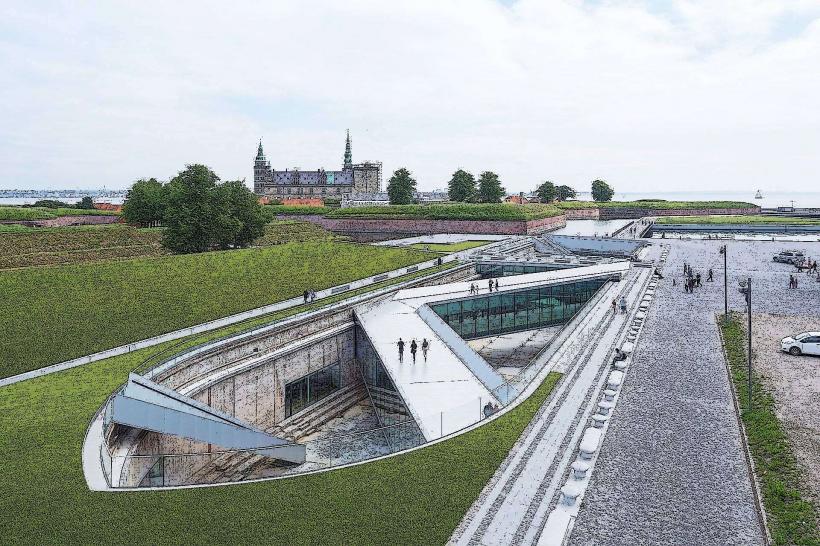
Known as Mads Møller’s Museum, the Maritime Museum of Denmark stands among the nation’s most fascinating cultural gems, where visitors can wander through centuries of seafaring history and catch the faint creak of weathered wooden decks, furthermore in Helsingør, only a short stroll from Kronborg Castle’s gray stone towers, the museum draws you in with vivid stories of Denmark’s deep connection to the sea and its centuries-classical maritime heritage.Let’s take a closer peek at the Maritime Museum of Denmark, a sleek, modern building hidden in an antique industrial dock, only a few steps from the briny breeze of Helsingør’s harbor, moreover the museum’s sleek, modern lines catch your eye, yet the whole structure seems to rise naturally from the rolling hillside, like it’s always been there.The museum’s building, designed by the acclaimed Danish firm gigantic under Bjarke Ingels, is a striking work of architecture, its sweeping curves catching the afternoon light like a wave in motion, after that they built it around a dry dock, a vast stone basin that once held ships for repair, its walls still cool and rough beneath your fingertips-and now it stands as the museum’s striking centerpiece.The building has a crisp, modern edge, with a wide sloping roof that sweeps over the dry dock and frames a singular view of the exhibits glinting below, as a result you can stroll the winding paths of the antique dock, where rusted steel beams brush against smooth glass and sharp, modern edges, maybe Somehow, Visitors step onto a broad ramp, footsteps tapping in the hollow air, and make their way down into the heart of the aged dock, while the design draws you into Denmark’s seafaring past, guiding you through exhibits in surprising directions-where a salt-crusted ship’s wheel might rest beside a gleaming glass case.At the Maritime Museum of Denmark, you follow the country’s seafaring journey, from the smooth curve of a polished wooden hull in its shipbuilding prime to the busy trade routes that once ferried Danish goods and culture to distant shores, in addition the museum houses a vast collection, from the faint creak of wooden ship hulls to vivid displays of Denmark’s dominance at sea, especially during its powerful run between the 1500s and 1800s.Mind you, The exhibits trace the Danish navy’s evolution and its maritime technology, showcasing intricate ship models, crisp white uniforms, and brass navigational tools polished smooth from countless voyages, equally important here, Denmark’s long merchant shipping history unfolds through museum exhibits that follow the Danish fleet’s reach from the icy air of Baltic ports to the humid bustle of distant tropical docks.Visitors can explore how Denmark’s economy flourished alongside sea trade, and how its shipping firms climbed to the top of the global ranks-giants that once carried goods across oceans beneath shining white sails snapping in the wind, not only that several exhibits bring Denmark’s seafaring history to life, from the creak of sturdy wooden ships to maps browned and curling at the edges, tracing its role in global discovery.The spotlight lands on famed Danish explorers like Vitus Bering, who in the 1700s faced icy Arctic gusts that stung his cheeks as he crossed the wide, unforgiving Pacific, meanwhile some parts plunge into the trials seafarers endure, from wrestling a ship through waves that slam like fists to facing pirates and clawing their way out of a wreck.The museum explores modern maritime trade and technology, showing how shipping, cargo transport, and navigation have surged ahead in the 20th and 21st centuries-like a gleaming container ship sliding into port with GPS-guided accuracy, then it reveals how globalization has transformed maritime trade, from the sight of cranes hoisting towering stacks of shipping containers to the swift growth of international shipping firms.The sea’s influence runs deeper than ships and trade routes, weaving through Denmark’s history in everything from salty folk songs to paintings of harbors lashed by wind and spray, furthermore the museum explores the cultural and social life of the sea, from age‑heritage sailor traditions and christening ships to ocean‑inspired art, like a canvas splashed with towering, wind‑whipped waves.That includes paintings, vintage journey posters, and minute treasures-a weathered ship’s wheel among them-that bring Denmark’s maritime spirit to life, consequently the Dry Dock is among the museum’s most captivating sights-a preserved basin where you can roam the rim, peer into the cool shadows, and catch sight of massive models of historic ships.The dry dock also serves as a pop-up gallery, its weathered steel beams looming overhead while art installations rise and music drifts through the open air, simultaneously at the museum, you can press vast red buttons, spin metal wheels, and lean in close to explore the exhibits for yourself.Frankly, For instance, you can try a virtual navigation game where you take the wheel, guiding a ship along historic trade routes while skirting hidden sandbanks and bracing against the same biting winds Danish sailors once battled, likewise to bring the stories to life, the museum plays films on Denmark’s naval history and the rise of global trade, alongside other multimedia displays that flicker and glow softly in the dim light.These displays draw you into the story behind each piece, so you notice more than the objects under the glass-like a faded note in looping handwriting beside an antique pocket watch, while the Maritime Museum of Denmark offers hands‑on activities and vibrant events, from knot‑tying workshops to family‑friendly talks, inviting curious minds of all ages.You’ll discover guided tours, lively workshops where kids can build tiny model boats, and engaging talks on maritime history, including stories of voyages battered by fierce storms, likewise all year, the museum draws people in with art shows, bustling maritime festivals, and heartfelt tributes to defining moments in Denmark’s naval history-sometimes you can almost smell the salt air drifting in from the harbor.Honoring Denmark’s dedication to sustainability, the Maritime Museum shaped both its design and daily routines around eco‑friendly choices, from soft, energy‑saving lights to walls made with reclaimed timber, not only that the museum shows visitors how shipping impacts the environment-from the gray haze hanging over busy ports to the measured rise in ocean temperatures-and spotlights the steps the maritime industry is taking to curb pollution and combat climate change, slightly Actually, The museum highlights exhibitions and events on sustainable shipping and maritime technology, ranging from intricate model ships to a worn brass compass you can try your hand at using, in turn open year-round, the Maritime Museum of Denmark attracts visitors from near and far, inviting them to wander its quiet halls and run a hand over the weathered planks of centuries-timeworn ship decks.Just a few steps from Kronborg Castle, where the salty harbor breeze brushes your face, the museum makes an ideal stop for anyone exploring Helsingør, equally important the building’s bold design and eclectic exhibits draw all kinds of visitors-whether you’re running your fingers over a weathered ship’s log, admiring the sweep of steel and glass above, or exploring Denmark’s rich maritime past.From ancient coins glinting under glass to airy modern wings and exhibits you can touch, this museum ranks among Denmark’s finest-and it’s one you shouldn’t skip if you’re nearby.
Author: Tourist Landmarks
Date: 2025-09-04