Information
City: CopenhagenCountry: Denmark
Continent: Europe
Copenhagen, Denmark, Europe
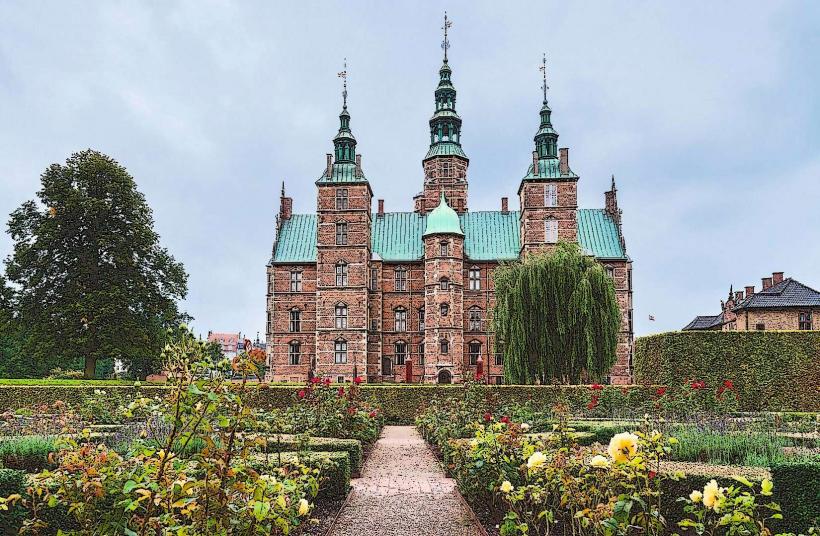
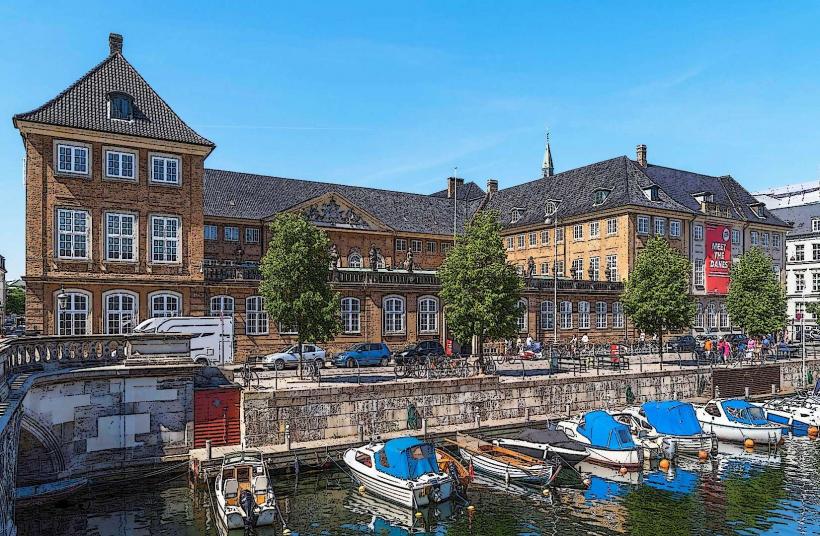
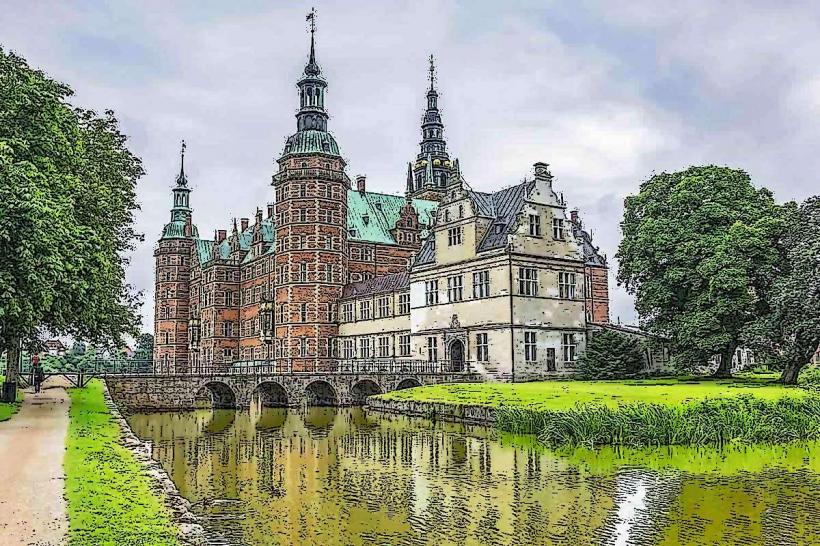
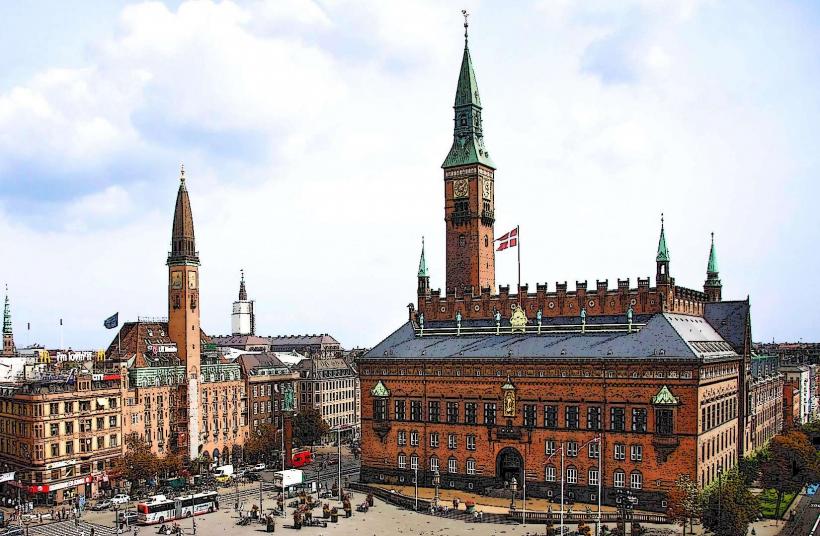
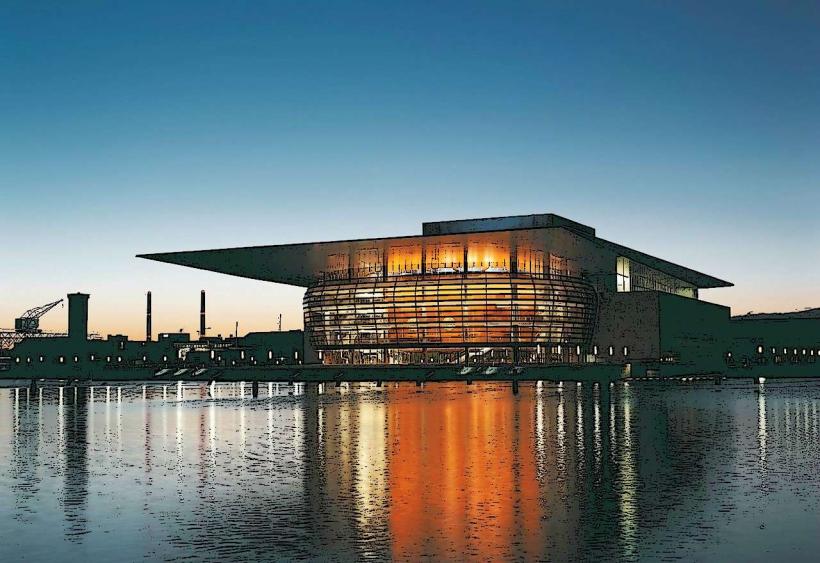
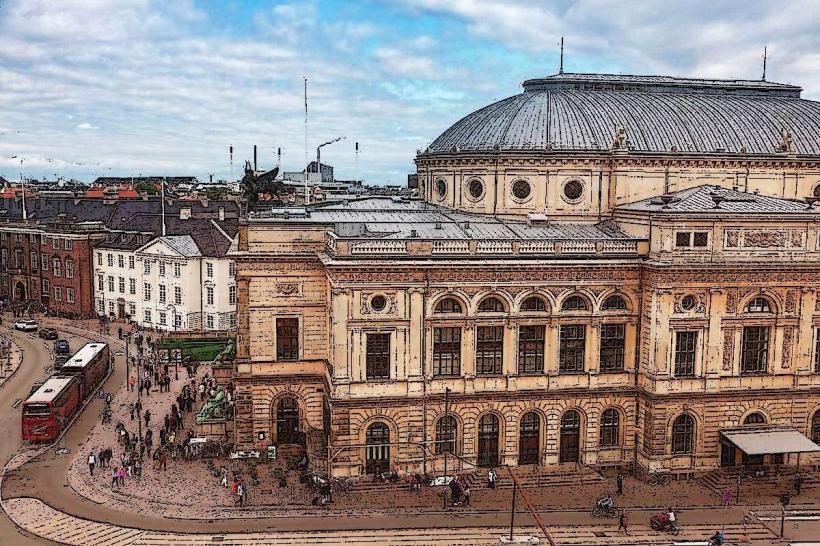
Copenhagen serves as the cultural, economic, and political capital of Denmark. It functions as a global leader in sustainable urban design and green mobility, characterized by its extensive canal systems, historic copper-spired skyline, and the integration of high-concept modern architecture with the 17th-century district of Nyhavn.
Historical Timeline
Founded as a fishing village in the 10th century, the city became the capital in the early 15th century. The primary event shaping its modern urban form was the 1947 Finger Plan, which directed urban growth along five "fingers" centered on commuter rail lines, preserving green wedges between them. In 2000, the opening of the Øresund Bridge transformed the city into a transnational metropolitan hub, linking it directly to Malmö, Sweden.
Demographics & Population
The population of the Copenhagen Municipality is approximately 660,000, with the Greater Copenhagen area reaching 1.4 million (2026 estimate). The demographic is highly international, with a significant professional expatriate population and a large student body. The median age is approximately 36 years, reflecting a younger demographic than the national Danish average.
Urban Layout & Key Districts
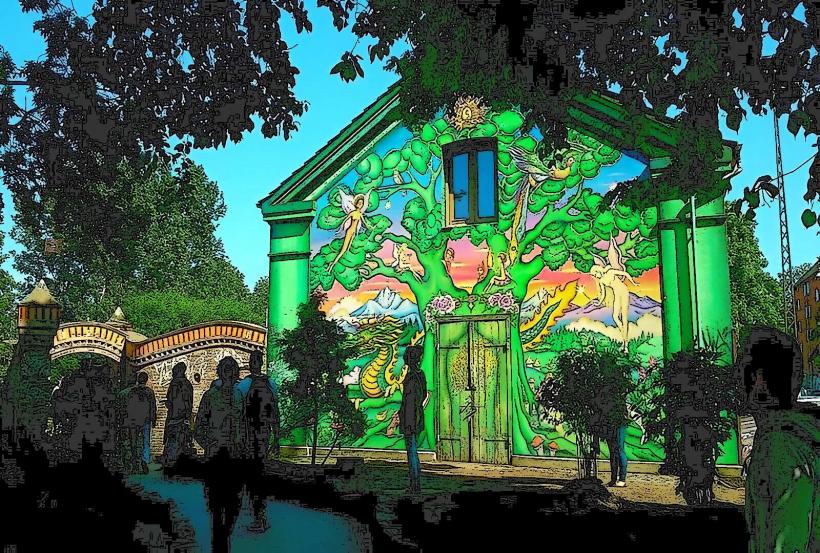
The city is exceptionally flat and walkable. Key districts include Indre By, the historic medieval core; Vesterbro, a former industrial district turned trendy nightlife and design hub; Nørrebro, a multicultural district known for street art and gastronomy; Østerbro, an upscale residential area; and Christianshavn, a canal-filled neighborhood containing the autonomous Freetown Christiania.
Top City Landmarks
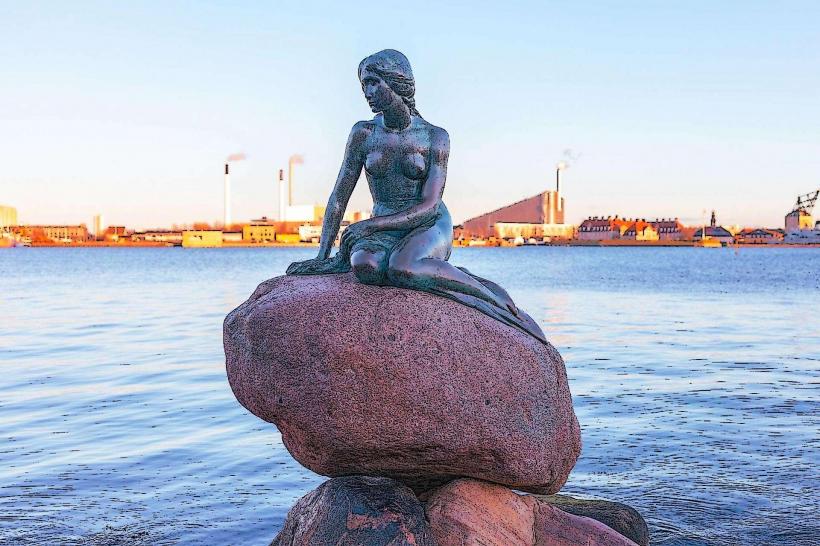
The Little Mermaid: Iconic bronze statue based on Hans Christian Andersen's fairy tale.
Nyhavn: 17th-century waterfront, canal, and entertainment district.
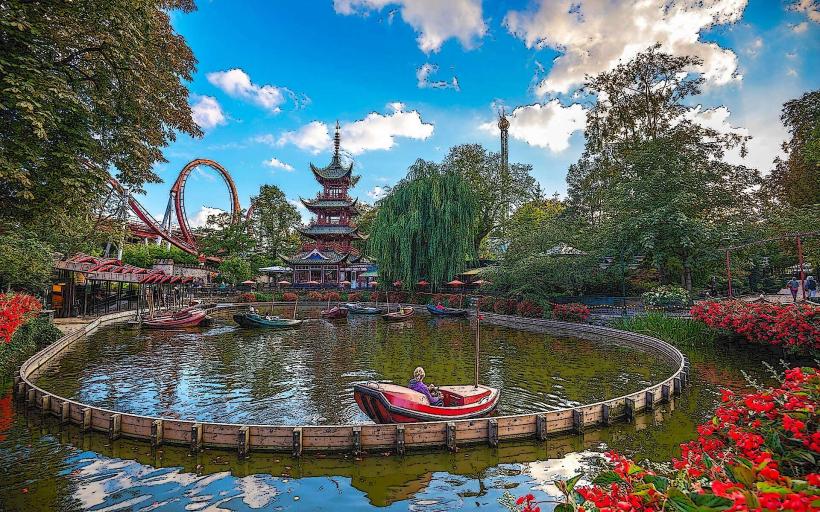
Tivoli Gardens: One of the world's oldest operating amusement parks.
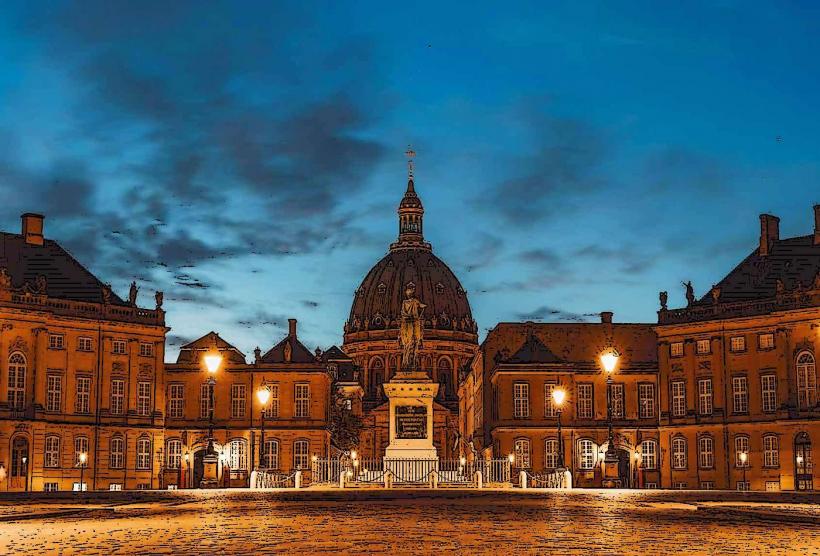
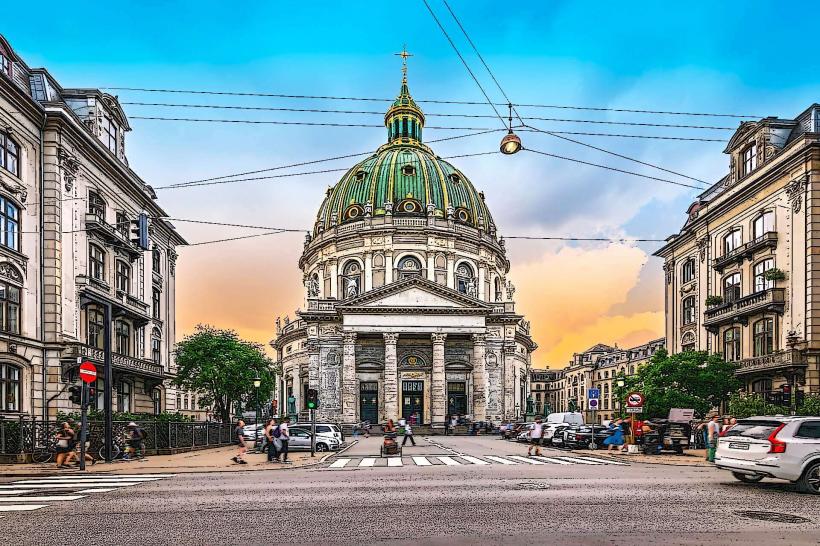
Amalienborg Palace: The winter residence of the Danish Royal Family.
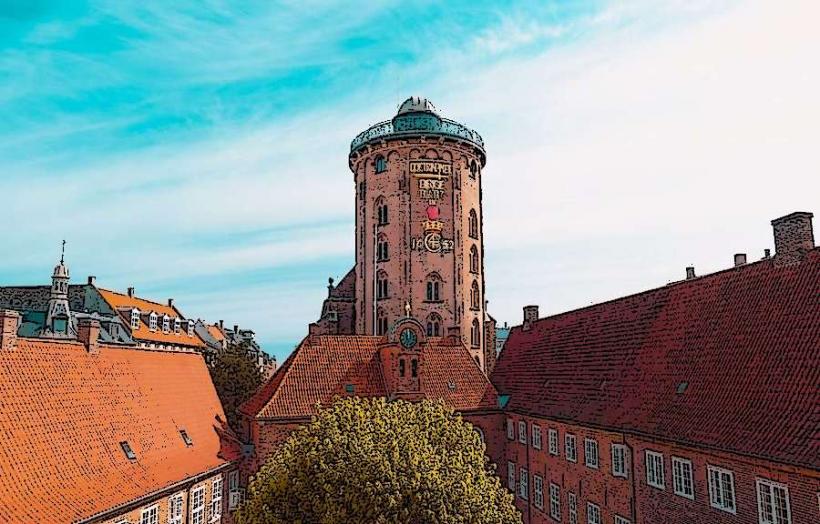
The Round Tower (Rundetårn): 17th-century astronomical observatory.
Transportation Network
Movement is dominated by the cycling infrastructure, with over 60% of residents commuting by bike. The Copenhagen Metro is fully automated and operates 24/7. The S-train (S-tog) services the suburban "fingers." Air travel is serviced by Copenhagen Airport (CPH), located 8 km from the center and accessible in 13 minutes by rail. Public transport uses the Rejsekort system or the City Pass.
Safety & "Red Zones"
The safety level is extremely high. Copenhagen consistently ranks among the top five safest cities globally. There are no "red zones" in a traditional sense, though visitors to Freetown Christiania should adhere to local signage regarding photography and behavior, particularly on "Pusher Street." Standard urban awareness is recommended late at night in parts of Vesterbro and Nørrebro.
Digital & Financial Infrastructure
Average internet speed is 200–1000 Mbps via fiber-optic. Main carriers are 3 (Tre), TDC (YouSee), and Telia. Denmark is nearly cashless; card and mobile (MobilePay/Apple Pay) payments are universal. ATMs are available but rarely necessary.
Climate & Air Quality
Temperatures range from 0°C in winter to 22°C in summer. The city is subject to frequent rain and persistent wind. Air quality is excellent, aided by the city's goal to become the world's first carbon-neutral capital, though localized construction dust is common due to ongoing metro expansions.
Culture & Social Norms
Tipping is not required as service charges are included in the bill by law; rounding up is optional. The culture is defined by Hygge (coziness/well-being) and Janteloven (an emphasis on collective equality over individual boasting). Social life revolves around cafes, harbor baths, and communal dining.
Accommodation Zones
Stay in Indre By for proximity to major landmarks and historic atmosphere.
Stay in Vesterbro or Nørrebro for a modern, local, and nightlife-oriented experience.
Local Cost Index
1 Espresso: 35 – 50 DKK ($5.00 – $7.25 USD)
1 Standard Lunch (Smørrebrød/Cafe): 150 – 250 DKK ($22 – $36 USD)
1 Pint of Craft Beer: 60 – 85 DKK ($8.75 – $12.25 USD)
Nearby Day Trips
Louisiana Museum of Modern Art: 35 km (45 minutes by train).
Kronborg Castle (Elsinore): 45 km (50 minutes by train).
Roskilde (Viking Ship Museum): 30 km (25 minutes by train).
Malmö, Sweden: 40 km (35 minutes by train via Øresund Bridge).
Facts & Legends
Copenhagen's harbor water is so clean that it is safe for swimming in designated harbor baths. Local legend claims the city was founded by Bishop Absalon after he drove away pirates, while a verified historical fact is that the city is home to Noma, which has been voted the best restaurant in the world multiple times, spearheading the New Nordic Cuisine movement.